
- Begging nearly doubles amid livelihood crisis in southern Arakan
- Heavy fighting near junta-held Sittwe fuels fear as frontlines approach city
- Displaced civilians struggle to access healthcare after junta airstrike destroys Ponnagyun clinic
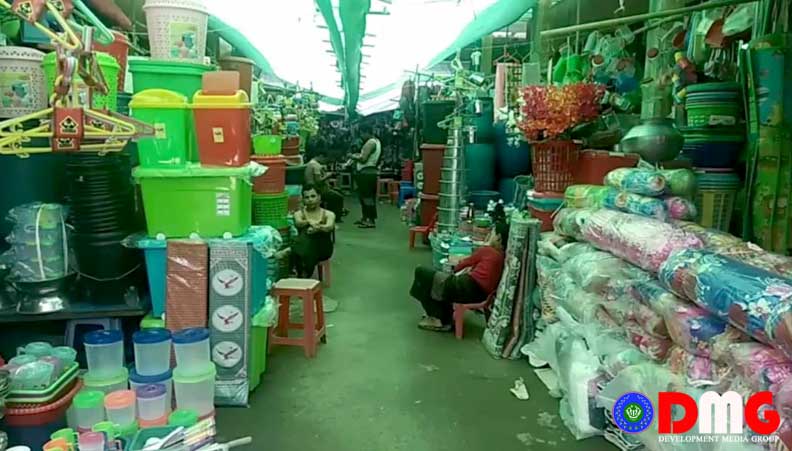
- Kyauktaw market closure disrupts trade and drives up prices across Arakan
- Arakan has Myanmar’s highest multidimensional poverty, 1.66 million affected: UNDP
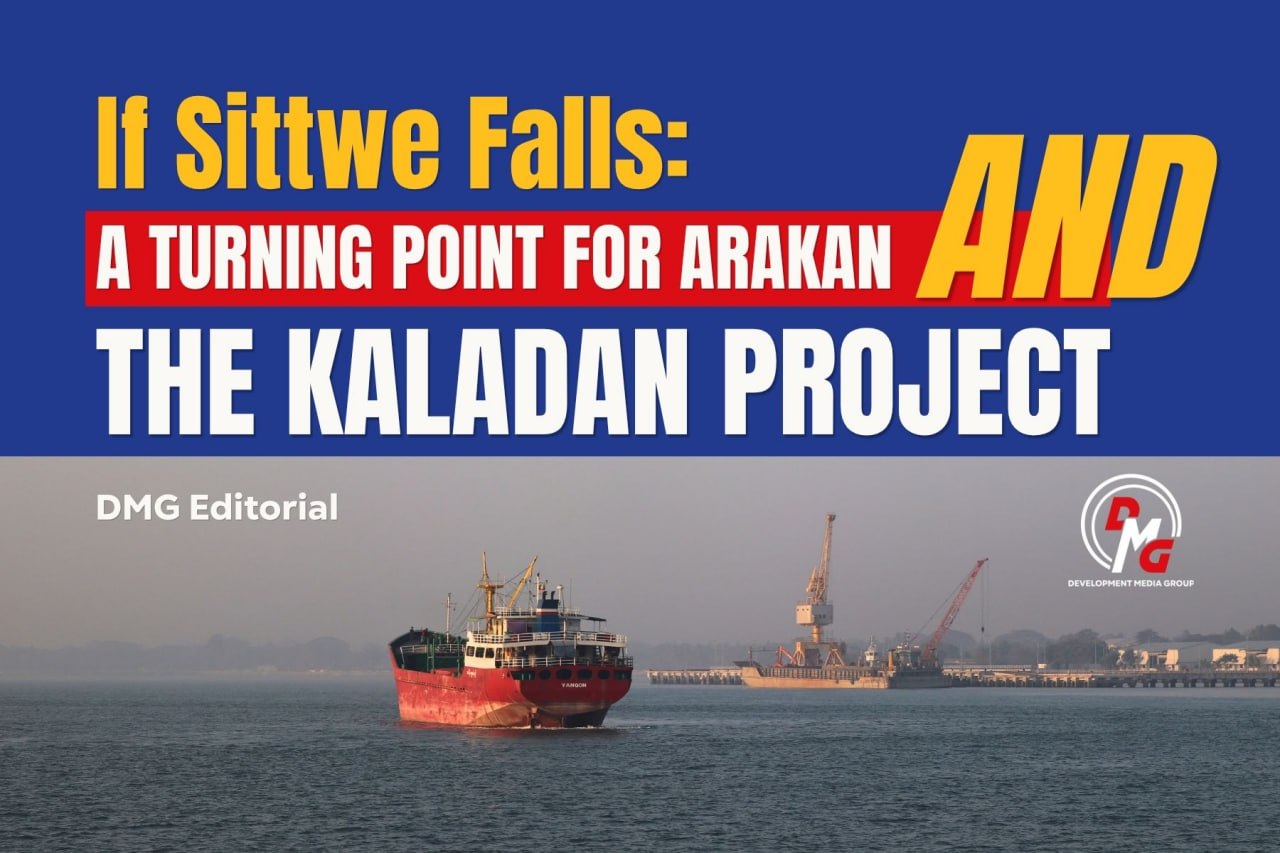
If Sittwe Falls: A Turning Point for Arakan and the Kaladan Project
If the Arakan Army (AA) captures Sittwe, it would deal a major blow to Myanmar's military regime and reshape the strategic landscape surrounding India's Kaladan Multi-Modal Transit Transport Project.
11 Oct 2026
DMG Editorial
Intensifying fighting around Sittwe, the capital of Arakan State in western Myanmar, has brought the city's military, political and economic significance into sharper focus. If the Arakan Army (AA) captures Sittwe, it would deal a major blow to Myanmar's military regime and reshape the strategic landscape surrounding India's Kaladan Multi-Modal Transit Transport Project.
Recent battles highlight the stakes. Fighting has continued near Amyint Kyun Village and along the Sittwe–Ponnagyun border. Since October 7, junta forces have repeatedly attempted amphibious landings on AA-controlled Ngapyi Island in the Kaladan River, but have reportedly been repelled by AA artillery and drone attacks.
DMG's October 9 and 10 reports described renewed naval deployments, failed landing attempts and continued airstrikes around the island. These developments underscore the importance of controlling the waterways surrounding Sittwe, a strategically vital military and administrative centre.
Sittwe is also home to a strategic port central to India's Kaladan project, designed to connect India's eastern coast with its northeastern states through maritime, river and road transport, providing an alternative route to the region.
However, the project remains incomplete. Recent Indian government statements indicate that construction of the Paletwa–Zorinpui road section has progressed slowly, highlighting the challenges of developing transport infrastructure amid continuing conflict.
With the United League of Arakan/Arakan Army (ULA/AA) controlling Paletwa and much of the Kaladan corridor, the capture of Sittwe would place another strategically important location under its de facto territorial authority. The port's existing Indian management arrangements would nevertheless require careful negotiation.
For New Delhi, practical engagement with the ULA/AA could become increasingly important for protecting investments, completing infrastructure and ensuring transport security, regardless of formal diplomatic recognition.
For Arakan, the port and transport corridor could create opportunities for trade, employment and economic recovery. Yet these benefits would depend on stability, transparent management and meaningful participation by local communities.
Politically, losing Sittwe would further weaken the junta's remaining authority in Arakan while expanding the ULA/AA's responsibilities for civilian administration, public services and security.
However, military victory would not necessarily bring peace. The junta would retain air and naval capabilities, leaving civilians and critical infrastructure vulnerable to further attacks.
Any transition must therefore prioritise civilian protection, humanitarian access and inclusive governance that safeguards the rights of Arakanese, Muslim and other communities.
The battle for Sittwe is ultimately about more than territorial control. It could redefine Arakan's political future and its economic relationship with India and the wider region.
If Sittwe falls, the decisive test will be whether military gains can deliver lasting security, accountable governance and economic opportunities for all communities in Arakan.

Opinion
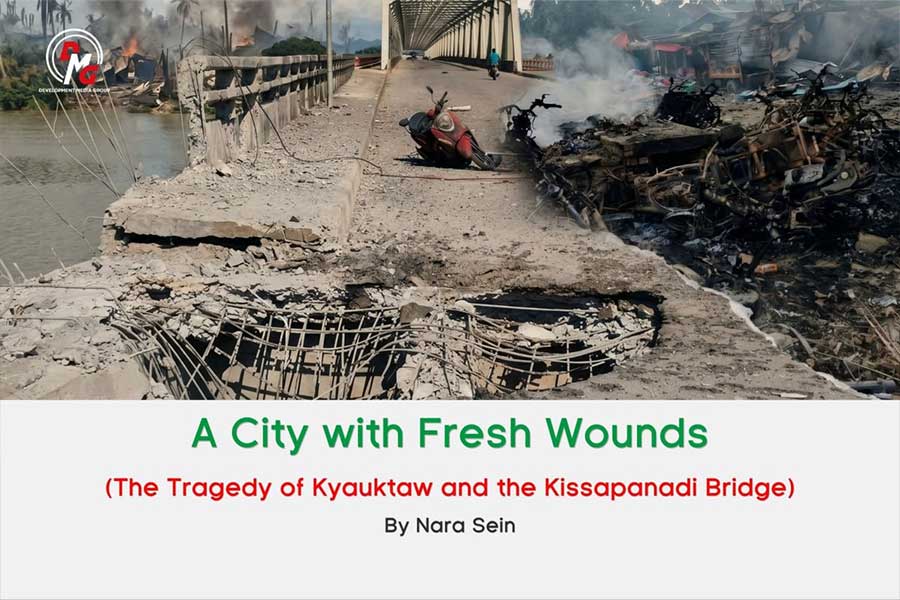
A City with Fresh Wounds (The Tragedy of Kyauktaw and the Kissapanadi Bridge)
By Admin 01 Oct 2026
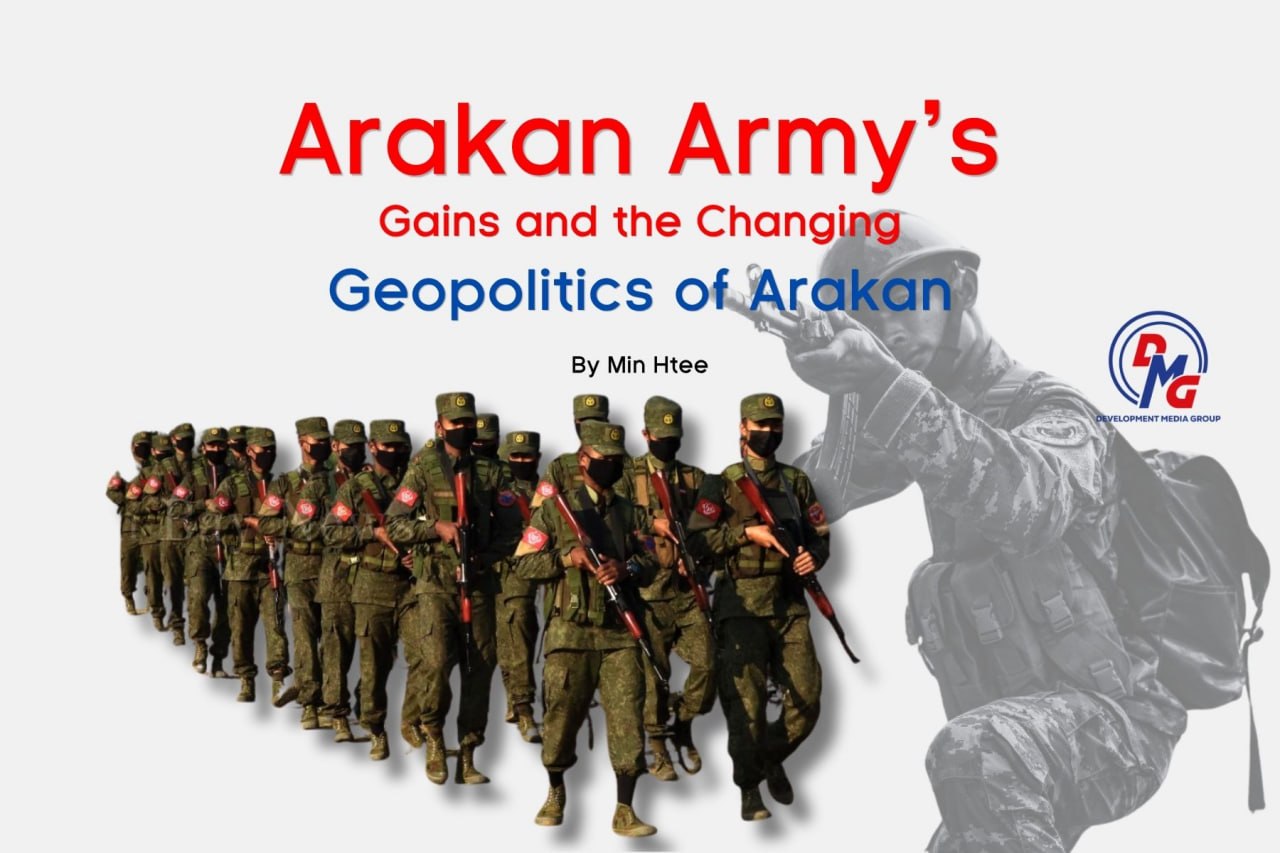
Arakan Army’s Gains and the Changing Geopolitics of Arakan
By Admin 29 Sep 2026
Beyond Military Victory: What Is Myanmar’s Ultimate Political Objective?
By Admin 26 Sep 2026
UN at a Crossroads: Six Priorities for a Shared Future
By Admin 23 Sep 2026
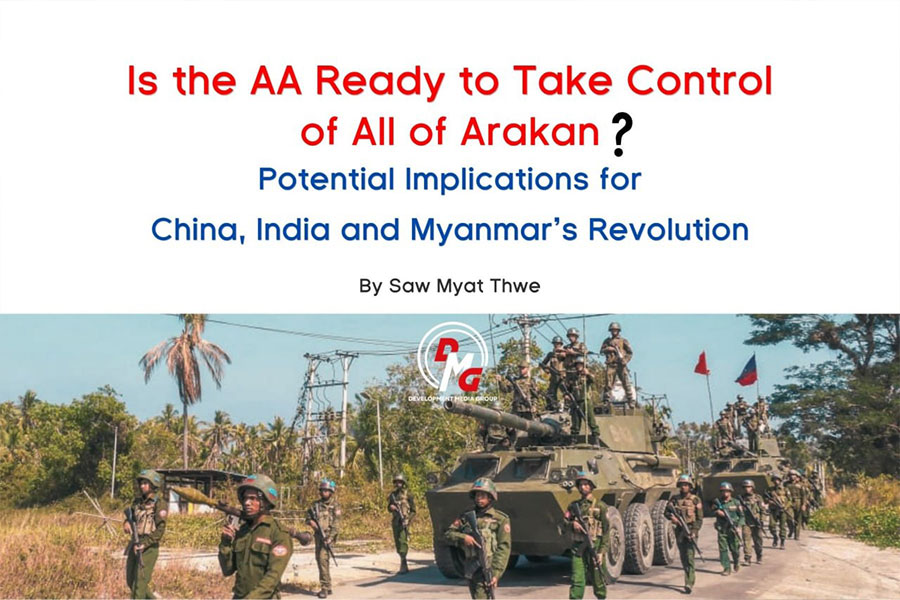
.jpg)
How Can Myanmar’s Political Crisis Be Brought to an End?
By Admin 13 Sep 2026
POLITICS

BUSINESS
Industry to manufacture finished goods from coconut starting in early 2020
By Aung Kaung Zaw 20 Nov 2019