
- Death toll from Kyauktaw airstrike rises to 50
- Myanmar military carried out at least 222 airstrikes in Arakan over five months: ISP-Myanmar
- Junta airstrikes on four Arakan townships leave more than 100 civilian casualties
- APHR calls for accountability over junta airstrikes on Kyauktaw
- ULA says 49 civilians killed, 58 injured in Kyauktaw airstrike
AA confiscates alcoholic beverages after ban on sale, consumption
The ethnic armed group banned the import of all foreign and domestic alcoholic drinks into Arakan State on September 19, giving shops three more months to sell off their stocks.
27 Dec 2024
DMG Newsroom
27 December 2024, Mrauk-U
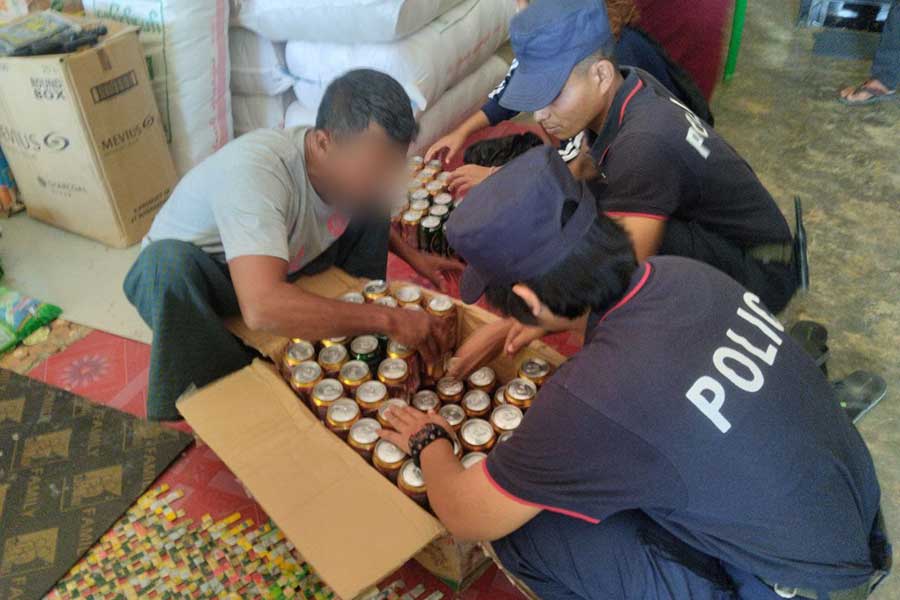
The Arakkha Army (AA) banned the storage, sale and consumption of all imported and domestic alcoholic beverages including liquor, beer and wine in its areas of control starting December 20, and AA law enforcement personnel have since been confiscating the remaining stocks.
A shopkeeper from Kyaukphyu Township said: "AA personnel have checked the shops that reportedly still have stocks of alcoholic beverages. They have confiscated them, and warned that they would take action if they found them again."
The confiscated alcoholic beverages will be destroyed, according to sources close to the AA.
The ethnic armed group banned the import of all foreign and domestic alcoholic drinks into Arakan State on September 19, giving shops three more months to sell off their stocks.
On December 20, the AA issued a prohibition order in Kyauktaw, Mrauk-U, Minbya and Ponnagyun townships as the grace period had concluded.
"We can't openly sell anymore, since December 20. However, they've not yet enforced it strictly, so we're able to sell off the remaining stock," said a liquor seller from Mrauk-U Township.
Despite the ban on selling and consumption of alcoholic beverages, a black market trade still remains. "Officially, it's banned, but they haven't inspected every shop yet. Some shops still sell beer and liquor quietly," said a resident of Kyaukphyu.
The ban is believed to target liquor brands produced by Myanmar military-owned business enterprises, aiming to cut off revenue streams to the regime.
Demand for locally produced rice wine and palm liquor has increased following the ban.

Top News
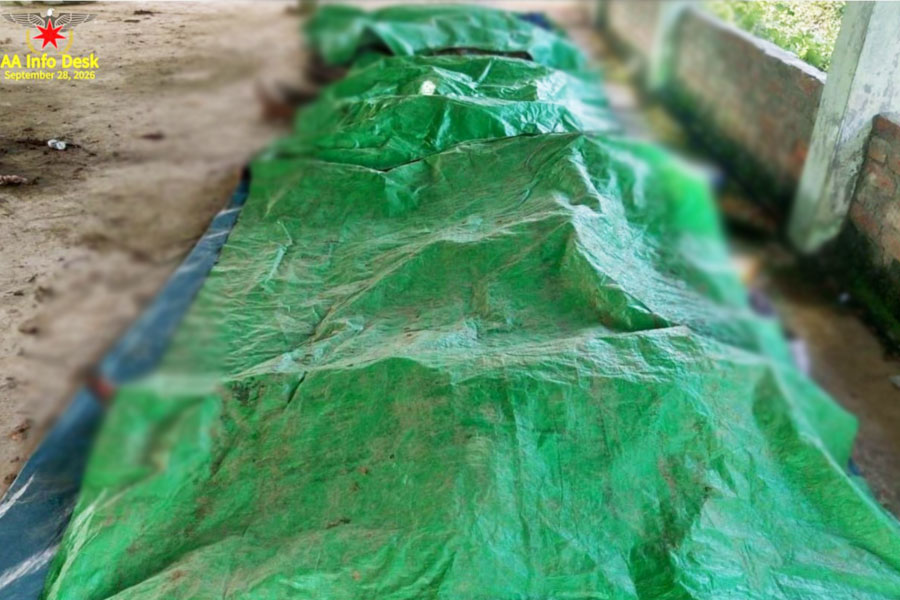
Death toll from Kyauktaw airstrike rises to 50
By Admin 29 Sep 2026
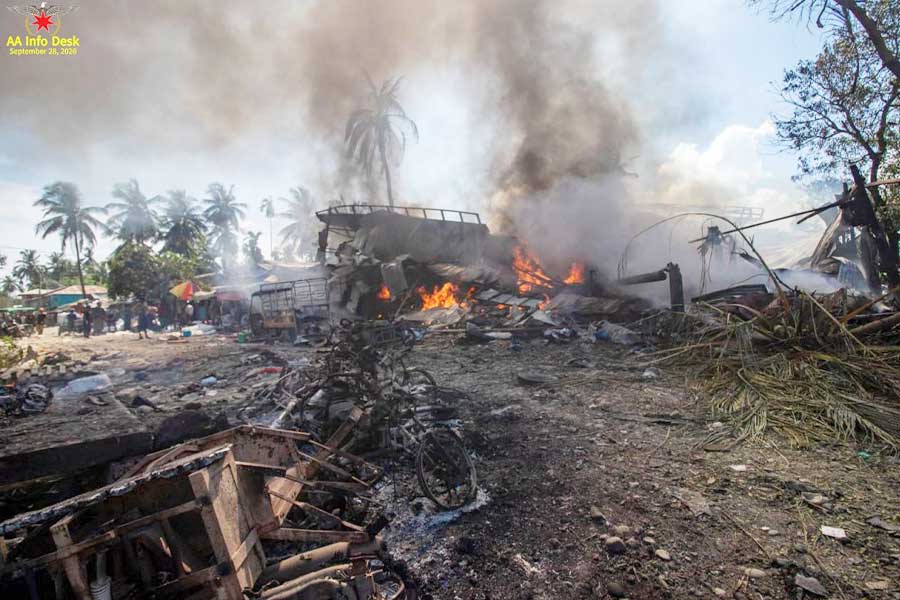
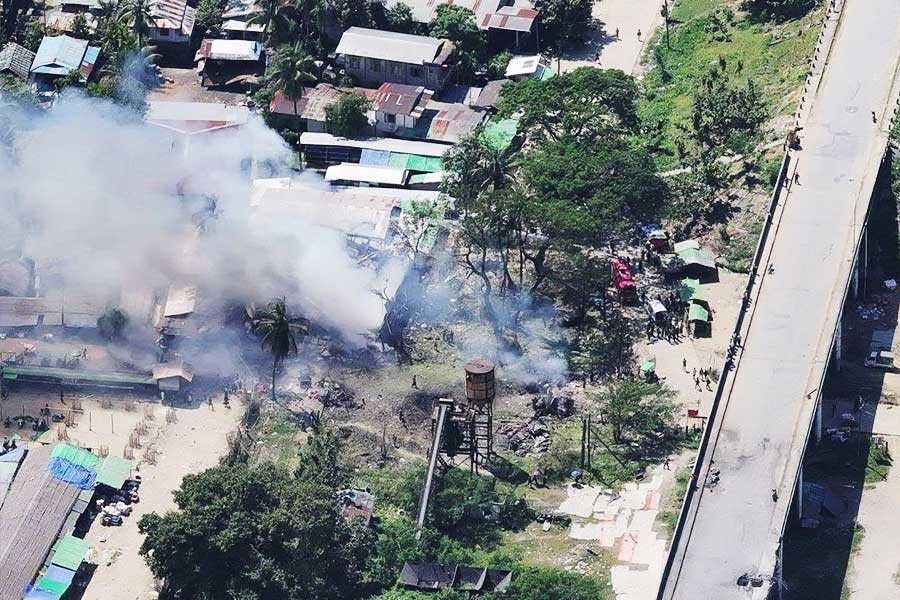
Junta airstrikes on four Arakan townships leave more than 100 civilian casualties
By Admin 29 Sep 2026
APHR calls for accountability over junta airstrikes on Kyauktaw
By Admin 29 Sep 2026
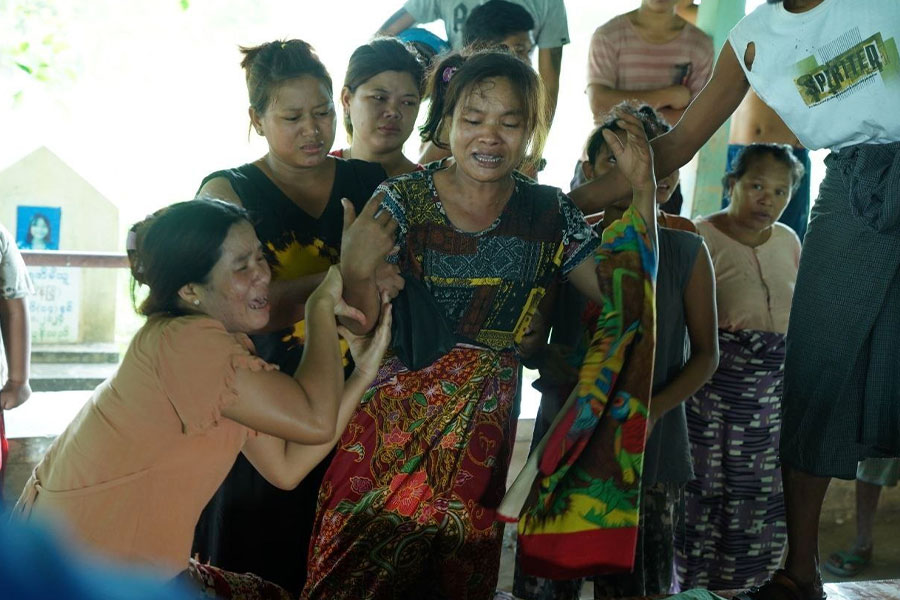
ULA says 49 civilians killed, 58 injured in Kyauktaw airstrike
By Admin 29 Sep 2026