
- Junta intensifies offensive against resistance-held territory in strategic Sagaing town
- Fighting escalates in Sittwe as Arakan Army captures junta outposts
- Survivors of deadly Kyauktaw airstrike urgently need medical, humanitarian aid
- Junta seeks foothold on strategic island in Kaladan River as Arakan Army counterattacks
- Begging nearly doubles amid livelihood crisis in southern Arakan
Analysts question progress of regime's 100-day peace initiative
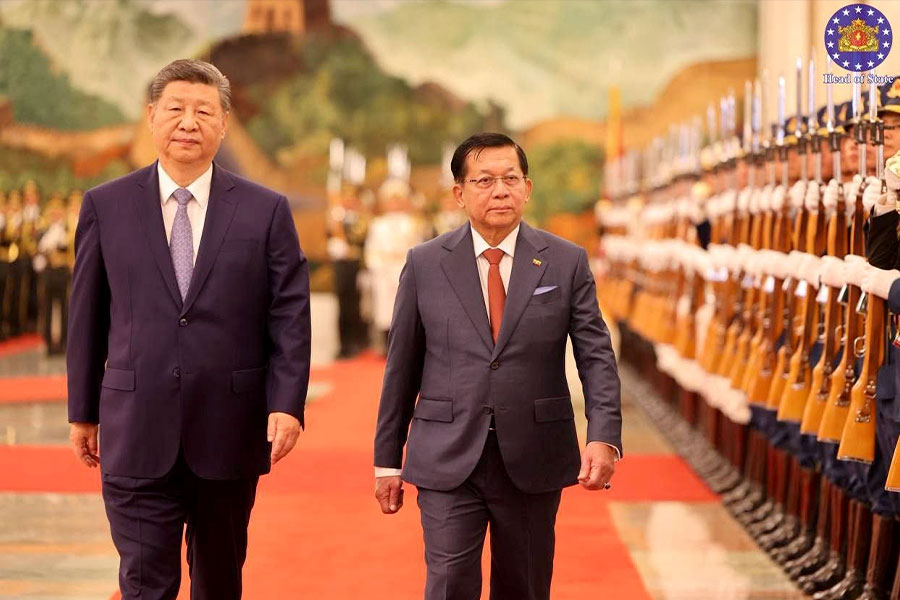
Since former junta chief Min Aung Hlaing assumed the presidency, the military regime has promoted a 100-day peace initiative aimed at engaging ethnic armed organizations. However, it has yet to hold talks with the revolutionary forces actively engaged in fighting on the ground.
22 Jul 2026
DMG Newsroom
22 July 2026, Nay Pyi Taw
Since former junta chief Min Aung Hlaing assumed the presidency, the military regime has promoted a 100-day peace initiative aimed at engaging ethnic armed organizations. However, it has yet to hold talks with the revolutionary forces actively engaged in fighting on the ground.
Political and military analysts say this is a major reason why the regime's peace initiative has made little progress.
The regime's National Solidarity and Peacemaking Negotiation Committee (NSPNC), led by Lieutenant-General Yar Pyae, has so far held limited discussions with ethnic armed organizations based in northern Shan State along the Chinese border.
The regime has also invited the 7 EAO Alliance, a coalition of seven Nationwide Ceasefire Agreement signatory groups, to Nay Pyi Taw for political and peace talks.
However, no meetings have been held with active combat forces, including the Arakan Army, the Kachin Independence Army, the Karen National Union, the Chin National Army, the Chin People's Army, the Karenni Nationalities Defence Force, forces under the National Unity Government, or other Spring Revolution groups.
Political observers say fighting across Myanmar continues unabated, and the exclusion of key stakeholders has undermined the credibility of the regime's peace process.
"We can say this project has failed. The armed organizations and democratic forces that should be involved are not participating. The regime is only meeting a handful of groups in northern Shan State or in Nay Pyi Taw. Meanwhile, the most intense fighting involves the Arakan Army, the Kachin Independence Army and the Karen National Union. In reality, these are the main forces with whom peace should be pursued," said U Aung Marm Oo, editor-in-chief of DMG and a political analyst.
Captain Zin Yaw, a military defector and analyst, said the regime's negotiation team had travelled to northern Shan State to meet the United Wa State Army and the National Democratic Alliance Army (Mongla).
"Following the talks with the Ta'ang National Liberation Army, more northern groups are expected to arrive in Nay Pyi Taw in stages. This is also part of China's arrangement. Although the regime presents these as peace talks, they also reflect its battlefield setbacks. The groups attending the talks are likely to demand political concessions based on their military gains. The regime will have to compromise, but it also creates the impression that progress is being made toward peace," he said.
During recent talks with the regime, the Ta'ang National Liberation Army requested official recognition of Ta'ang State, although the regime did not immediately accept the proposal.
Following the launch of Operation 1027 in October 2023, the regime suffered major battlefield losses, losing control of more than 100 towns across Myanmar. It later sought China's assistance in facilitating negotiations with members of the Three Brotherhood Alliance.
Under pressure from China, the Myanmar National Democratic Alliance Army and the Ta'ang National Liberation Army agreed to a ceasefire and entered negotiations with the regime.
However, the regime has yet to hold talks with active combat groups, including the Arakan Army, the Kachin Independence Army, the Karen National Union, the Chin National Front, the All Burma Students' Democratic Front, the National Unity Government, the Chin People's Army, the Bamar People's Liberation Army, the Karenni Nationalities Defence Force and the People's Defence Forces, while fighting continues across the country.
The regime launched its 100-day peace initiative after self-appointed President Min Aung Hlaing assumed office, inviting ethnic armed organizations to Nay Pyi Taw for talks between April 21 and July 31, 2026.

Top News
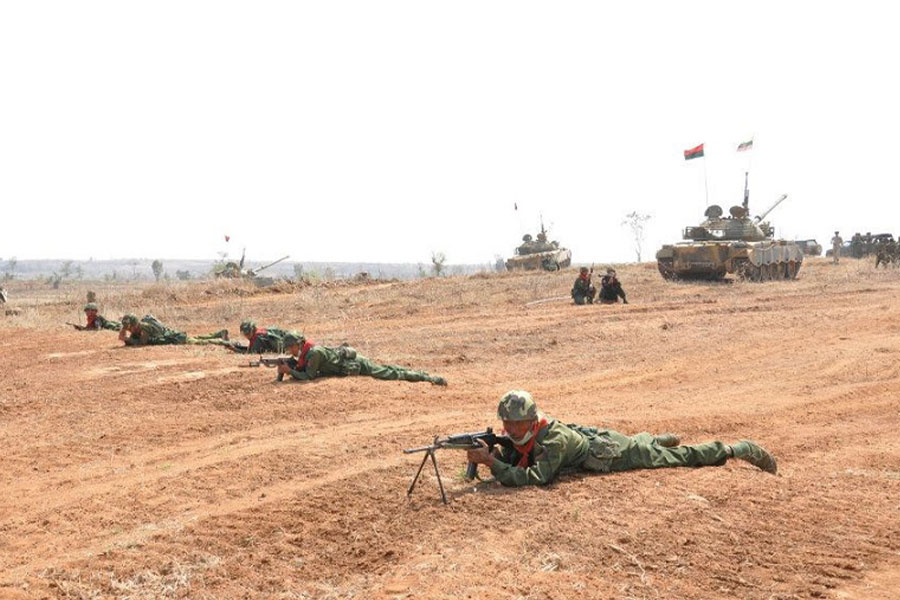
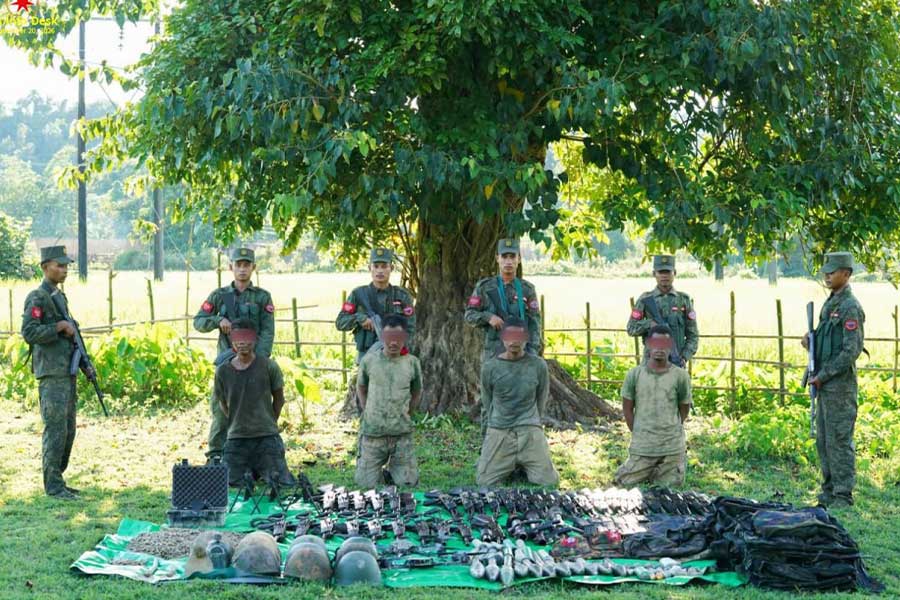
Fighting escalates in Sittwe as Arakan Army captures junta outposts
By Admin 13 Oct 2026
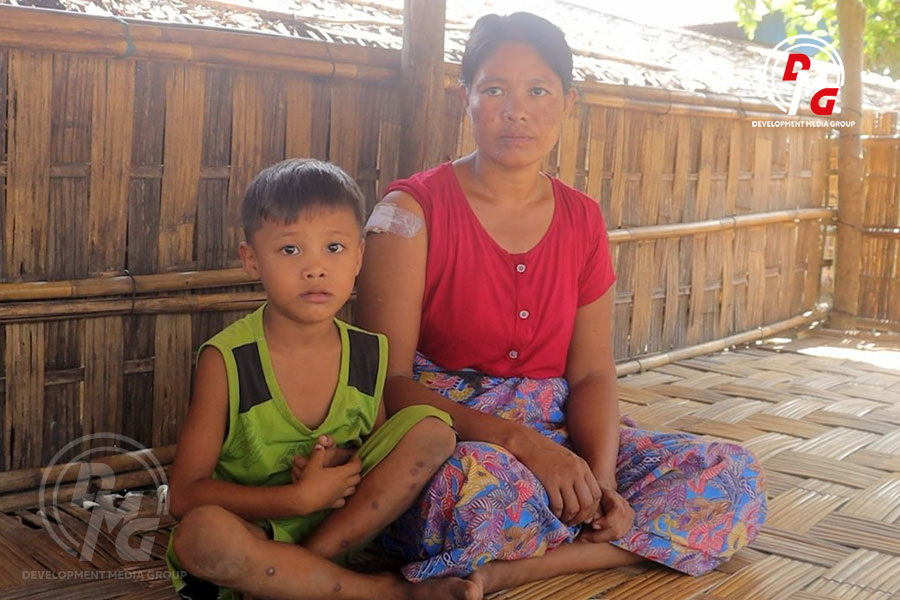
Survivors of deadly Kyauktaw airstrike urgently need medical, humanitarian aid
By Admin 13 Oct 2026
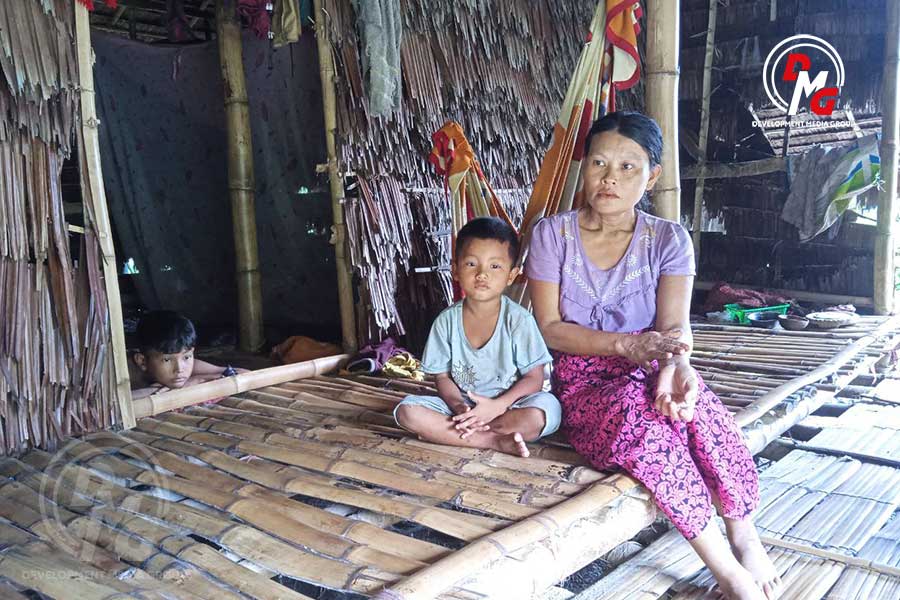
Fighting, airstrikes deepen humanitarian crisis in Myanmar’s Arakan: CAS report
By Admin 12 Oct 2026