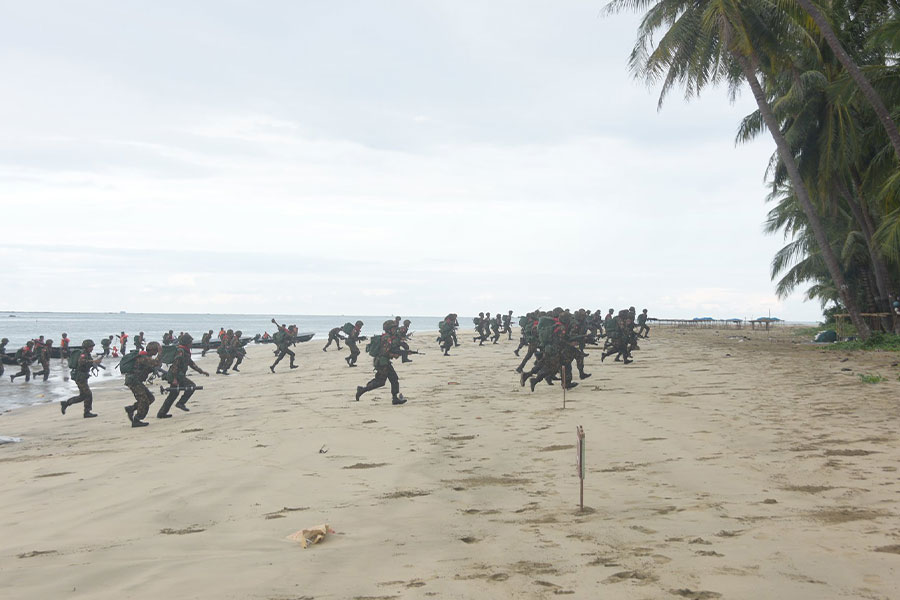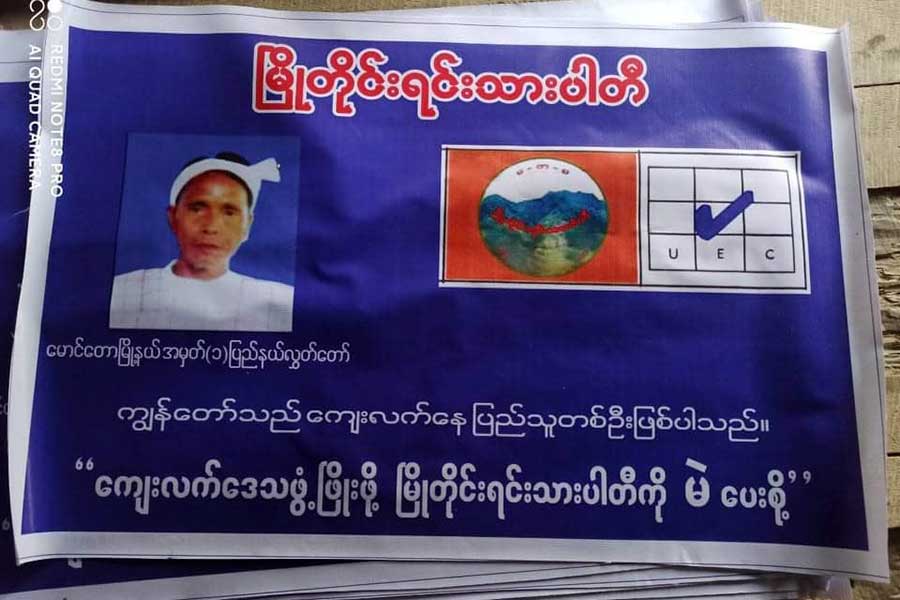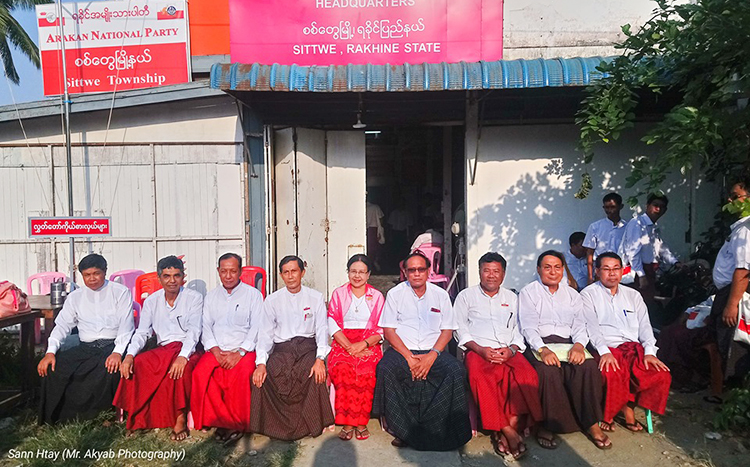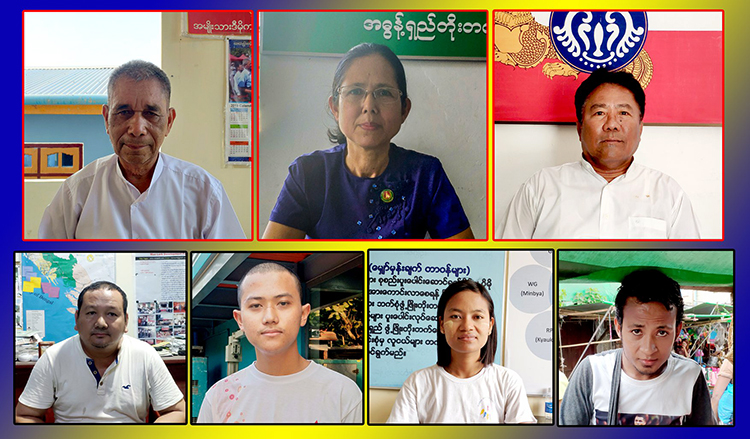

- Junta intensifies offensive against resistance-held territory in strategic Sagaing town
- Fighting escalates in Sittwe as Arakan Army captures junta outposts
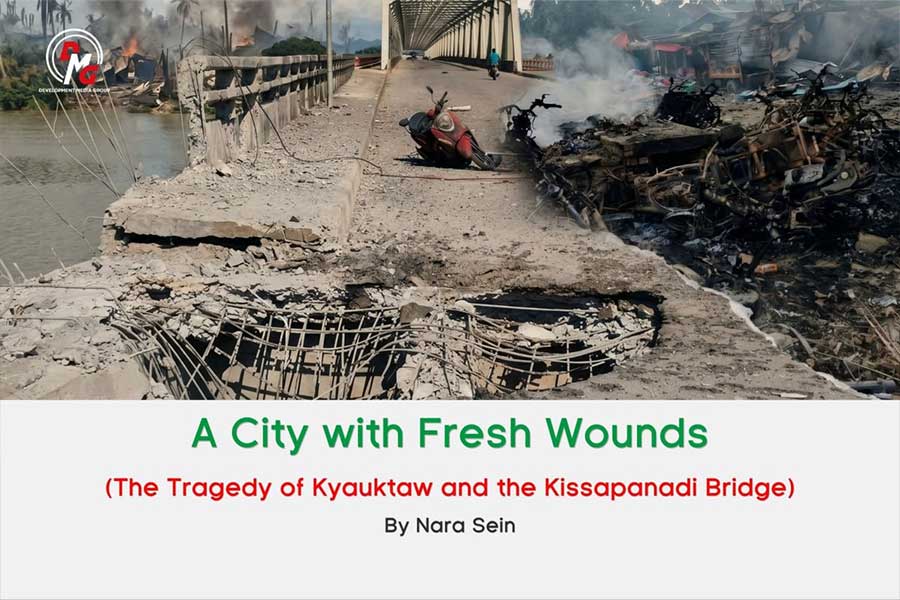
- Survivors of deadly Kyauktaw airstrike urgently need medical, humanitarian aid
- Junta seeks foothold on strategic island in Kaladan River as Arakan Army counterattacks
- Begging nearly doubles amid livelihood crisis in southern Arakan
Digital repression persists across junta, resistance-held areas, MIP reports
Digital repression persisted from May to July across areas controlled by the military junta, revolutionary forces and ethnic armed organizations throughout Myanmar, according to a report by the Myanmar Internet Project (MIP).
14 Aug 2026
DMG Newsroom
14 August 2026, Mrauk-U
Digital repression persisted from May to July across areas controlled by the military junta, revolutionary forces and ethnic armed organizations throughout Myanmar, according to a report by the Myanmar Internet Project (MIP).
The report said that during the three-month period, digital rights violations in Arakan State, Sagaing Region and junta-controlled areas included internet blackouts, arrests over online comments, surveillance and tracking of civilians, and threats against news media.
During the period, local administrative bodies and People's Defence Forces (PDFs) temporarily suspended or restricted Starlink internet access in revolutionary-controlled townships in Sagaing Region, including Indaw, Kani, Depayin, Ye-U and Taze, citing air raid concerns and ongoing military operations.
Mobile phone and internet services also experienced severe disruptions and slowdowns in Budalin Township, Sagaing Region, and Taunggyi in southern Shan State, while junta-imposed cuts caused Wi-Fi outages across several townships in Yangon Region.
Similarly, taxes were imposed on Starlink internet usage in June in areas controlled by the Arakan Army in Arakan State and areas under the National Unity Government (NUG), according to the report.
The report said internet blackouts in Arakan Army-controlled and junta-held areas of Arakan State have contributed to rising youth unemployment and severely restricted access to education and employment opportunities.
Repeated closures of digital financial service accounts in Arakan State have also driven up cash withdrawal fees, it added.
A local Arakanese man said, "In some townships, Starlink devices were shut down, and with public internet services scarce, most people face severe hardship. Without internet access, receiving information is impossible, making it worse when we cannot know what is happening elsewhere or in our own area. Opportunities for youth are scarce. Many miss out even on local opportunities due to lack of connectivity."
MIP noted that internet shutdowns and digital repression cut civilians off from vital information about natural disasters, violence and military developments.
Internet blackouts also prevented local residents from receiving timely air raid warnings, the report said.
A woman in Sagaing Region said, "Even with air raid warning systems set up, we rely on internet access to check them. Without alerts, it is impossible to take shelter in advance, so internet outages make situations far more difficult than usual. In some places, people rely on the internet to warn each other about advancing junta columns and share hazard updates. The moment internet lines drop or slow down, anxiety rises immensely."
During the same period, the military junta revoked the licences of certain news agencies while cooperation between Chinese media and junta-controlled outlets expanded.
The military junta also continued monitoring, arresting and prosecuting people over online posts and commentary, with regime statements claiming that more than 2,000 people were arrested and charged over a three-year period.
During the two-month period under Min Aung Hlaing's current administration, junta reports indicated that 746 civilians were arrested during checkpoint inspections and overnight guestlist checks in junta-controlled areas.

Top News
Fighting escalates in Sittwe as Arakan Army captures junta outposts
By Admin 13 Oct 2026
Survivors of deadly Kyauktaw airstrike urgently need medical, humanitarian aid
By Admin 13 Oct 2026
Fighting, airstrikes deepen humanitarian crisis in Myanmar’s Arakan: CAS report
By Admin 12 Oct 2026