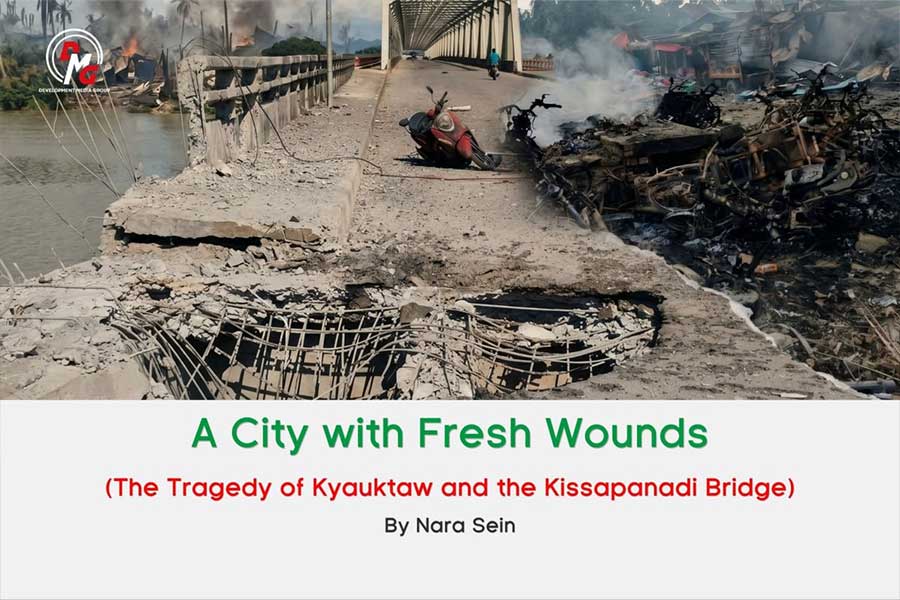


- Junta column heading toward Kyindwe suffers heavy casualties in resistance ambushes
- Junta replaces Arakan State security minister amid escalating battles near Sittwe
- Junta Y-12 bombing raid injures two women in Anjanapura
- Two junta defectors urge conscripts to surrender to AA to save their lives
- NGO, INGO staff relocate to Yangon as fighting nears Sittwe
India border fuel curbs spark supply concerns in Arakan State
In the third week of March, district administrators in Lawngtlai, Siaha and Lunglei issued emergency orders banning the export of fuel across the border.
28 Mar 2026
DMG Newsroom
28 March 2026, Myebon
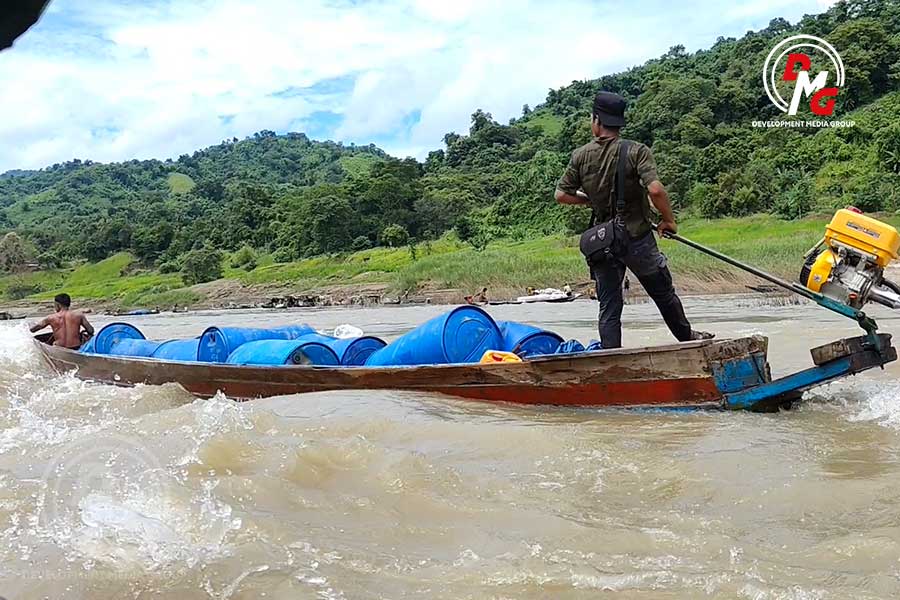
Border traders in Arakan State say authorities in India’s Mizoram State have imposed restrictions on cross-border fuel exports.
In the third week of March, district administrators in Lawngtlai, Siaha and Lunglei issued emergency orders banning the export of fuel across the border.
The orders state that the measures aim to prevent potential fuel shortages linked to conflicts in the Middle East and to stabilize fuel prices in Mizoram State.
“Fuel can no longer be purchased directly in Lawngtlai District. Gasoline and diesel have become so scarce that they are completely unavailable. We have to go to Lunglei District to buy them. They must be purchased through a broker. To pass through the checkpoints, we have to carry authorized transit documents,” said an Arakanese trader currently in Aizawl.
Traders said that, alongside the restrictions, they are also facing rising transportation costs and increasing difficulty in procuring fuel.
While some fuel continues to enter Arakan State from the Indian border, local prices are gradually increasing due to higher transport costs.
“In the past, we only had to pay 2,000 rupees per vehicle at the gate. Now, we have to pay 10,000 rupees per vehicle. We can no longer buy the fuel ourselves. We have to purchase it under the name of an intermediary so that they can resolve any issues on the road. Passing through the gates is much more difficult than before,” said a female Arakanese merchant.
In Arakan State, the price of Octane 92 currently ranges from K9,000 to K10,000 per liter, while fuel imported from India is priced at about K8,000 per liter.
Residents fear that the restrictions could lead to severe shortages and further price hikes.
“I think travel costs will increase significantly. A trip that used to cost K30,000 might now cost around K50,000. This makes it very difficult for those who have to travel for work. If transportation costs rise further, the prices of basic goods are likely to become much higher than they are now,” said a resident of Myebon.
For Arakan State, which is already affected by the regime’s blockade, restrictions on fuel imports via the Indian border, a key supply route, could pose a major challenge.
Business owners say that if fuel supplies tighten further, rising transportation costs will directly drive up the prices of basic commodities.

Top News
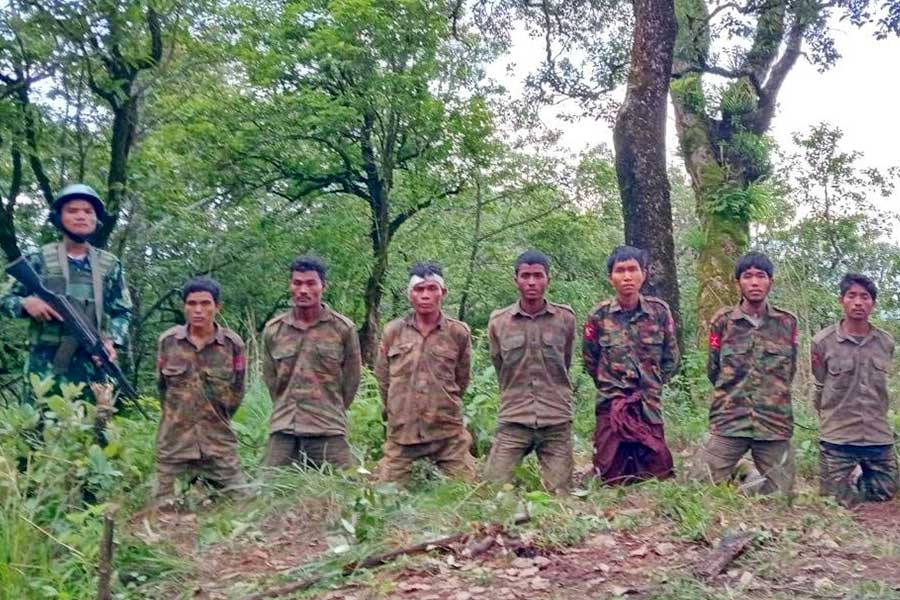
Junta column heading toward Kyindwe suffers heavy casualties in resistance ambushes
By Admin 22 Oct 2026

Junta replaces Arakan State security minister amid escalating battles near Sittwe
By Admin 22 Oct 2026
Junta Y-12 bombing raid injures two women in Anjanapura
By Admin 22 Oct 2026
People with disabilities in Arakan face deepening humanitarian crisis, CAS warns
By Admin 21 Oct 2026