
- Myanmar junta accused of disguising aviation fuel imports as diesel: JFM
- Arakan records most junta airstrikes as 214 civilians killed across Myanmar: BNI
- High airfares leave low-income families stranded in blockaded Sittwe
- MSF rrges civilian protection after Sittwe shelling kills two, injures 17
- ULA warns Arakan residents of airstrike risks during Thadingyut festival
ICRC expands humanitarian assistance as needs grow in Arakan and Myanmar
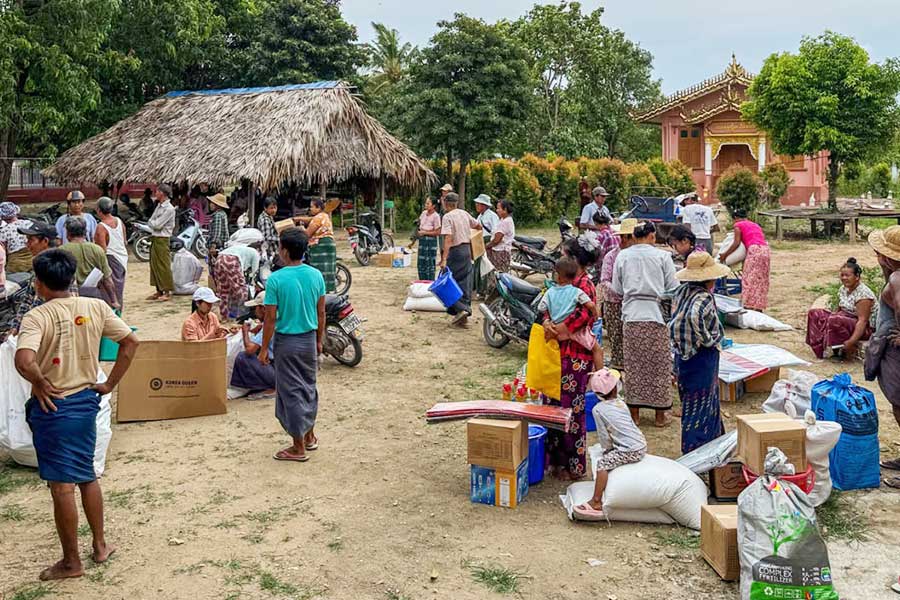
As armed conflict, displacement and humanitarian needs continue to rise across Myanmar, the International Committee of the Red Cross (ICRC) provided humanitarian assistance to more than 120,000 people nationwide during the first half of 2026.
26 Aug 2026
DMG Newsroom
26 August 2026, Yangon
As armed conflict, displacement and humanitarian needs continue to rise across Myanmar, the International Committee of the Red Cross (ICRC) provided humanitarian assistance to more than 120,000 people nationwide during the first half of 2026.
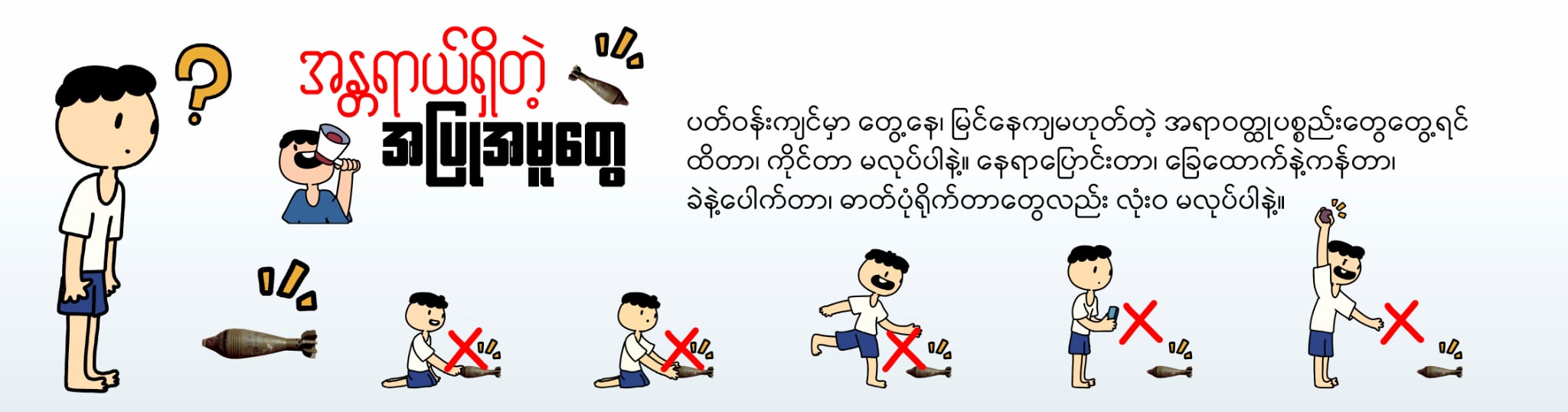
According to the ICRC report titled "ICRC Operational Highlights in Myanmar (January-June 2026)," the organization partnered with the Myanmar Red Cross Society, Red Cross and Red Crescent Movement partners and local organizations to provide food, healthcare, drinking water, sanitation, shelter assistance, physical rehabilitation, mental health support, and landmine and explosive remnants of war (ERW) risk education.
The report comes as civilians in Arakan State face escalating risks from ongoing airstrikes, artillery shelling, displacement, landmines and unexploded ordnance.
According to the ICRC, approximately 53,000 people received seeds, agricultural tools and fertilizers to restore food security and livelihoods, while around 12,000 people received emergency food assistance. More than 13,000 people also received essential household items, nearly 5,000 received cash assistance, and animal health services were provided to more than 20,000 households.
Access to safe drinking water was improved for nearly 67,000 people, while shelter and basic infrastructure support was provided to about 11,000 people. Upgrades to water, electricity and basic infrastructure were also carried out at 14 hospitals, clinics and rehabilitation centers.
In the healthcare sector, around 5,000 patients received emergency medical treatment through ICRC-supported services, while nearly 10,000 people received emergency patient transfers and hospital transport assistance. Physical rehabilitation services were provided to nearly 2,700 people, including those injured by landmines and ERWs, with around 1,300 artificial limbs and assistive devices produced.
In Arakan State, returning displaced people, agricultural workers and travelers continue to face risks from landmines and unexploded ordnance.
The ICRC also provided mental health and psychosocial support, assisted more than 4,200 released detainees in returning home, facilitated visits for nearly 2,000 detainees' families, and delivered approximately 3,000 Red Cross Messages to help reconnect separated families.
To address the heightened risks posed by landmines and ERWs in conflict-affected areas, the ICRC conducted 758 risk-awareness sessions reaching approximately 28,000 people through educational posters, community lectures and local volunteer training programs.
The report emphasized that the ICRC has operated as an independent, neutral and impartial humanitarian organization in Myanmar for more than 40 years, supporting people affected by armed conflict, violence and natural disasters.

Top News
Myanmar junta accused of disguising aviation fuel imports as diesel: JFM
By Admin 26 Oct 2026
Arakan records most junta airstrikes as 214 civilians killed across Myanmar: BNI
By Admin 26 Oct 2026
High airfares leave low-income families stranded in blockaded Sittwe
By Admin 25 Oct 2026
MSF rrges civilian protection after Sittwe shelling kills two, injures 17
By Admin 25 Oct 2026
ULA warns Arakan residents of airstrike risks during Thadingyut festival
By Admin 24 Oct 2026