
- Myanmar junta accused of disguising aviation fuel imports as diesel: JFM
- Arakan records most junta airstrikes as 214 civilians killed across Myanmar: BNI
- High airfares leave low-income families stranded in blockaded Sittwe
- MSF rrges civilian protection after Sittwe shelling kills two, injures 17
- ULA warns Arakan residents of airstrike risks during Thadingyut festival
No women in post-election Rakhine government: Burma Monitor
A new Burma Monitor report examining women's participation in Myanmar's military-organized 2025 election has highlighted the complete absence of women from the post-election Rakhine State government, as the poll took place amid conflict and major shifts in territorial control across Arakan.
28 Aug 2026
DMG Newsroom
28 August 2026, Yangon
A new Burma Monitor report examining women's participation in Myanmar's military-organized 2025 election has highlighted the complete absence of women from the post-election Rakhine State government, as the poll took place amid conflict and major shifts in territorial control across Arakan.
The report, Women in Sham Election: 2025 Critical Report, examines women's participation in the election that began on December 28, 2025, and their representation in the parliaments and government bodies subsequently formed.
Burma Monitor describes the poll as a "sham election", noting that it was held only in selected townships, regions and states where the military authorities exercised effective control. Parliamentary sessions subsequently began in March 2026.
According to the report's breakdown of state and regional governments formed after the election, the Rakhine State government comprised 10 men and no women.
Nationwide, the report's table lists 152 members of state and regional governments, of whom only 12 were women. Arakan was among several areas including Chin State, Tanintharyi Region and Bago Region where no women were represented in the governments listed.
The finding is particularly significant in Arakan, where the election period unfolded amid armed conflict and a substantially changed political and security landscape. Because the military-organized election was conducted only in areas under its effective control, the electoral process did not encompass the political circumstances across the entirety of conflict-affected Arakan.
Burma Monitor also found that women's political representation remained low nationwide despite more than 1,000 women contesting the election.
A total of 4,936 candidates from 58 political parties participated, including 3,762 men and 1,174 women. Of 1,025 elected parliamentary representatives, only 136 were women.
Among the elected female representatives, the military-aligned Union Solidarity and Development Party (USDP) secured by far the largest number, with 90 women winning parliamentary seats, while the National Unity Party won 13.
The report says women's limited representation continued when government bodies were formed after parliament convened.
Of 33 members of the Union government examined by Burma Monitor, only four were women. Four women were also among the Union deputy ministers, while only five of 29 ethnic affairs ministers were women.
Although Nang Ni Ni Aye was selected as Myanmar's first woman vice president following the election, Burma Monitor argues that the appointment did not translate into meaningful female representation in other powerful state institutions.
The report notes that she was not included in the reconstituted National Security Bureau and concludes that women continued to be largely excluded from important decision-making positions.
Burma Monitor is sharply critical of the election overall, arguing that although the military authorities attempted to create the international impression of a free and fair election with women's participation, the process primarily served military and political interests.
The report concludes that the election did not meaningfully advance ethnic participation, minority rights or women's leadership, while repression against revolutionary forces and those opposing the election increased afterward.
For Arakan, the findings highlight two overlapping questions: women's exclusion from the formal post-election political structure and the representativeness of institutions emerging from an electoral process conducted only where the military retained effective control.
With no women among the 10 members of the Rakhine State government listed by Burma Monitor, the report underscores the continuing gap in women's participation in political decision-making during a period of profound political and security change in Arakan.

Top News
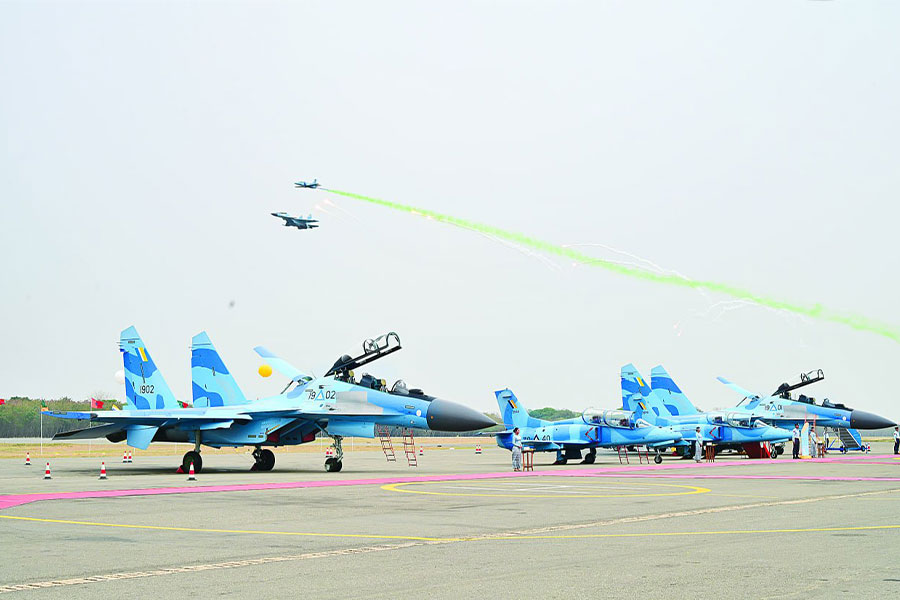
Myanmar junta accused of disguising aviation fuel imports as diesel: JFM
By Admin 26 Oct 2026
Arakan records most junta airstrikes as 214 civilians killed across Myanmar: BNI
By Admin 26 Oct 2026
High airfares leave low-income families stranded in blockaded Sittwe
By Admin 25 Oct 2026
MSF rrges civilian protection after Sittwe shelling kills two, injures 17
By Admin 25 Oct 2026
ULA warns Arakan residents of airstrike risks during Thadingyut festival
By Admin 24 Oct 2026