
- Junta airstrike kills woman, injures another in Werathani
- Over 150 Kyauktaw villagers face displacement as Kaladan River erodes banks
- Malaria cases surge across Ann Twsp as residents struggle to access healthcare
- Arakan’s elderly face deepening crisis amid war: CAS study
- ULA detains Arakanese merchants over Khaikhy dispute, moves to resolve issue
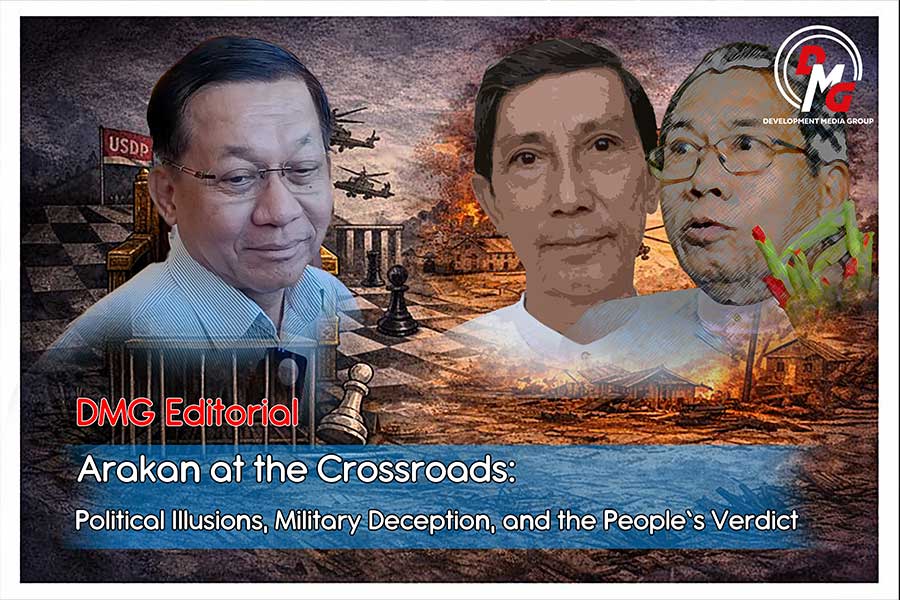
DMG Editorial: Arakan at the Crossroads: Political Illusions, Military Deception, and the People's Verdict
As Myanmar's military regime presses ahead with its so-called election, Arakan's political experience offers a sobering lesson, one written in betrayal, miscalculation, and the widening gap between electoral politics under dictatorship and the will of the people.
12 Jan 2026
As Myanmar's military regime presses ahead with its so-called election, Arakan's political experience offers a sobering lesson, one written in betrayal, miscalculation, and the widening gap between electoral politics under dictatorship and the will of the people.
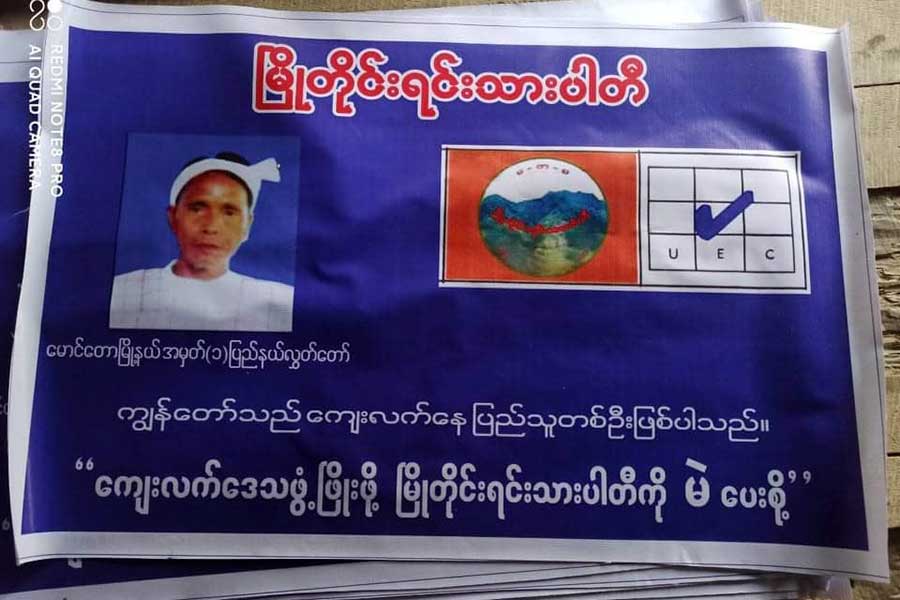
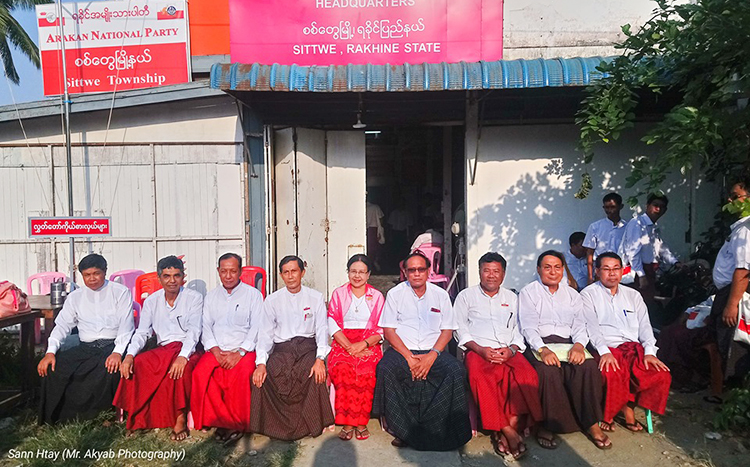
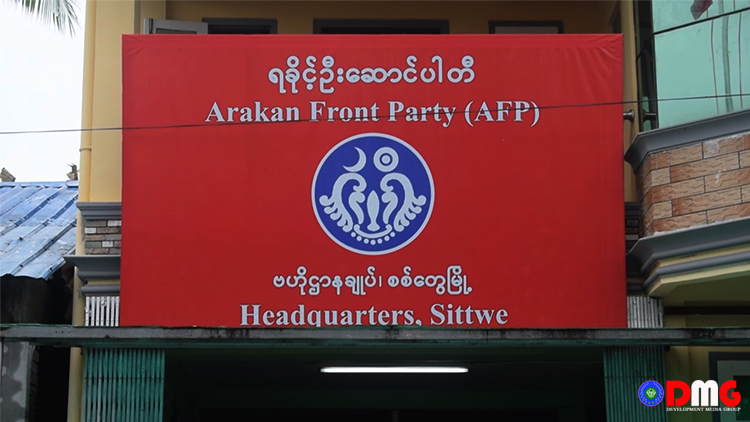
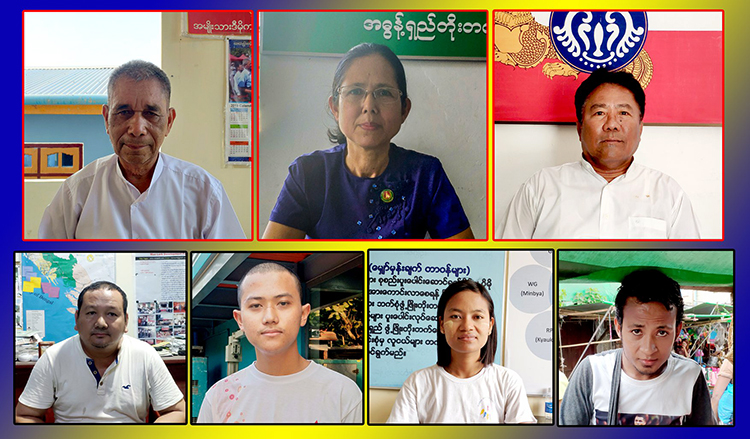
For years, Arakanese political leaders such as Dr. Aye Maung of the Arakan Front Party (AFP) and U Ba Shein of the Rakhine Nationalities Party (RNP) believed they could advance Arakan's interests through Myanmar's electoral system even under the shadow of military dominance. What they encountered instead was a carefully managed trap, designed and controlled by the Myanmar military and its political vehicle, the Union Solidarity and Development Party (USDP), under the ultimate authority of Min Aung Hlaing.
Elections as a Weapon, Not a Choice
The Myanmar military has never treated elections as a democratic process. Elections are instruments used to fragment opposition, legitimize military power, and neutralize ethnic political forces. Arakanese parties were permitted to compete not in order to win, but to lend a veneer of inclusivity to a system already rigged in favor of the generals.
When Arakanese leaders entered this arena, many believed participation itself could serve as a form of resistance or political protection. Instead, they were outmaneuvered, sidelined, and ultimately discarded. Votes were manipulated, constituencies engineered, and outcomes predetermined. The result was not only electoral defeat, but political humiliation.
From Political Setback to Moral Crisis
What makes this moment more painful is not only how these leaders were defeated by the military, but how they are now viewed by much of the Arakanese public.
Arakan today is not living in "normal politics." It is living through war, mass displacement, economic collapse, and a historic national uprising. In this context, participation in junta-organized elections is no longer seen as pragmatism. It is increasingly perceived as political blindness or worse, collaboration.
Many Arakanese now ask a hard and unavoidable question: How could our leaders still believe in elections organized by the same generals who are bombing our towns and starving our people? This perception has turned into anger, frustration, and in some cases outright rejection. Leaders once associated with Arakanese nationalism are now seen as disconnected from realities on the ground and out of step with a population that has moved decisively beyond the ballot box imposed by Naypyidaw.
The Junta's Calculated Divide-and-Rule
For the military, this outcome is no accident, it is strategy. By encouraging ethnic parties to compete and then ensuring their defeat, the junta achieves several objectives at once:
- It discredits ethnic political leadership in the eyes of their own people
- It fractures Arakanese unity at a moment of revolutionary momentum
- It creates the illusion of a political process while power remains entirely military
In this sense, Arakanese political parties were not merely defeated-they were used.
A Changing Political Reality in Arakan
Arakan's political center of gravity has shifted. Authority today is no longer derived from ballots counted by the military, but from control of territory, the ability to govern, and legitimacy earned through resistance, civilian protection, and national dignity.
This does not mean politics is dead in Arakan. It means old politics, the belief that Arakan's future can be negotiated through junta-managed institutions, has lost credibility.
The tragedy for leaders like Dr. Aye Maung and U Ba Shein is not only that they were cheated by the military, but that they misread the moment. While the people moved toward resistance and collective struggle, these leaders remained tied to a system that had already collapsed-morally and politically.
Lessons Ahead of the Junta's New Election
As the military prepares yet another staged election, Arakan's experience should serve as a warning not only to Arakanese leaders, but to ethnic politicians across Myanmar.
No election organized by a war-making junta can deliver dignity, autonomy, or justice. Participation without power, without guarantees, and without popular legitimacy only strengthens the hand of the generals.
The people of Arakan have already delivered their verdict not through ballots, but through rejection of imposed politics and alignment with a broader national struggle for liberation.
The Way Forward
Arakan's future leadership, political, civic, or revolutionary, must be grounded in three realities:
1. The junta cannot be reformed through elections it controls
2. Legitimacy now flows from the people's struggle, not military permission
3. National unity in Arakan matters more than individual political survival
History will remember this period not for who ran in elections, but for who stood with the people when it mattered most. In that judgment, Arakan has already begun to move on.

Opinion
.jpg)
How Can Myanmar’s Political Crisis Be Brought to an End?
By Admin 13 Sep 2026

By Cutting Trees, We Are Killing Ourselves
By Admin 06 Sep 2026
A Modern August We Must Never Forget
By Admin 31 Aug 2026
Arakan’s Political Shifts and the Debate Over Rights and Governance
By Admin 27 Aug 2026
Securing Rights for Bangladesh's Indigenous Peoples is Indispensable
By Admin 09 Aug 2026
POLITICS

BUSINESS
Industry to manufacture finished goods from coconut starting in early 2020
By Aung Kaung Zaw 20 Nov 2019