


Editorial: China’s Myanmar Strategy and the Arakan Reality
Min Aung Hlaing’s five-day state visit to China from June 15 to 19 comes at a pivotal moment for Myanmar. Coming shortly after his visit to India, the trip underscores intensifying competition among regional powers as they seek to safeguard their strategic, economic, and security interests amid Myanmar’s shifting political realities.
18 Jun 2026
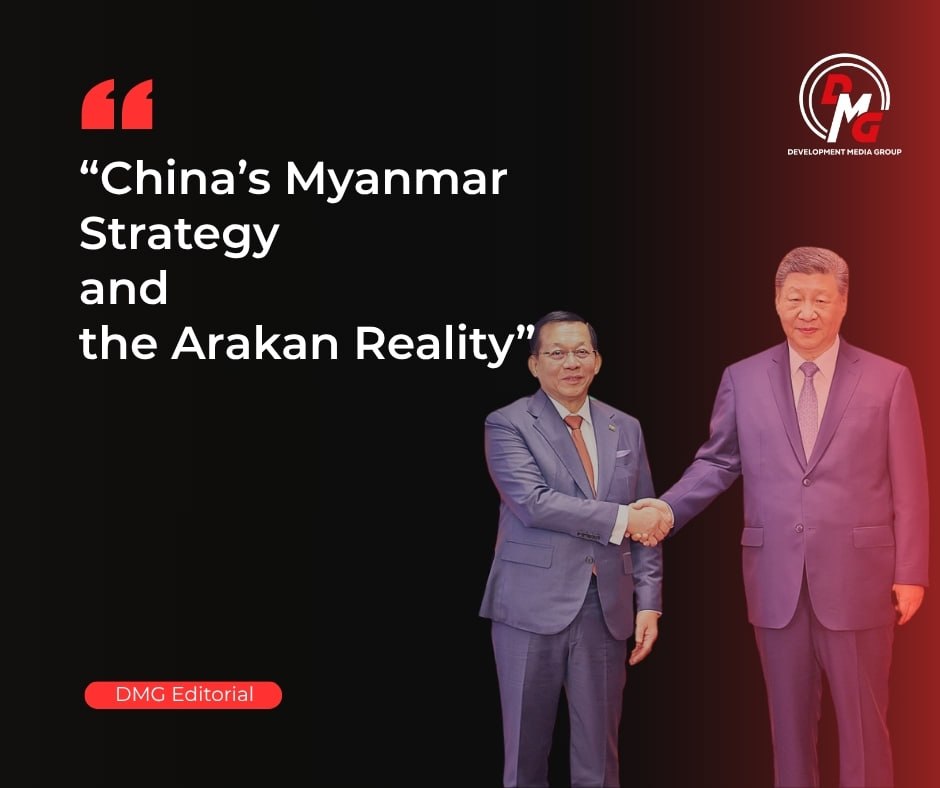
Min Aung Hlaing’s five-day state visit to China from June 15 to 19 comes at a pivotal moment for Myanmar. Coming shortly after his visit to India, the trip underscores intensifying competition among regional powers as they seek to safeguard their strategic, economic, and security interests amid Myanmar’s shifting political realities.
For the military leader, the trip is an opportunity to strengthen international legitimacy and attract economic support. For China, however, the priority is far more strategic: protecting its investments, securing access to the Indian Ocean, and maintaining stability for major projects linked to the Belt and Road Initiative (BRI). Arakan sits at the center of this calculation.
Among China’s most important interests in Myanmar is the Kyaukphyu Deep Seaport and Special Economic Zone, a key component of the China-Myanmar Economic Corridor (CMEC). The project provides China with a strategic outlet to the Bay of Bengal and helps reduce its dependence on the Malacca Strait for trade and energy imports. Yet the political realities surrounding these projects have changed dramatically.
While the military government continues to claim authority over the country, much of the territory where major Chinese investments are located is no longer under its effective control. In Arakan, the United League of Arakan/Arakan Army (ULA/AA) has established governance structures across most of the state, administering local affairs, public services, taxation, and security. This presents a dilemma for Beijing.
China may continue to engage formally with Naypyidaw, but the long-term success of projects such as Kyaukphyu increasingly depends on stability in areas where the AA holds substantial influence. Infrastructure projects require more than signed agreements; they require security, local cooperation, functioning administration, and public acceptance.
For the AA, Min Aung Hlaing’s visit brings both risks and opportunities. On one hand, China could increase political, diplomatic, or economic support for the military regime. Beijing has previously exerted pressure on ethnic armed organizations when Chinese interests were threatened, and it may seek similar leverage elsewhere.
On the other hand, China is known for pragmatism. Its primary concern is not ideology but stability. As the AA consolidates its position in Arakan, Beijing may increasingly find that protecting its investments requires practical engagement with those who exercise authority on the ground.
This reality extends beyond Kyaukphyu. Energy pipelines, transportation corridors, border trade, and future regional connectivity projects all depend on conditions inside Arakan. No major development initiative can succeed without local stability and cooperation.
The visit also reflects a broader shift in regional politics. Both India and China are discovering that Myanmar’s future cannot be understood solely through relations with Naypyidaw. The emergence of powerful ethnic armed organizations and alternative governance structures has created a far more complex political environment.
For Arakan, this creates both challenges and opportunities. Foreign investment could support economic development, improve infrastructure, and expand regional trade. At the same time, local communities will expect greater transparency, participation, environmental protections, and equitable distribution of benefits.
Ultimately, Min Aung Hlaing’s trip to China may reveal less about the strength of the military regime than about the changing balance of power inside Myanmar.
China’s strategic interests in Myanmar remain substantial. But securing those interests increasingly requires adapting to new realities on the ground. In Arakan, where the AA has emerged as a dominant political and military force, that reality has become impossible to ignore.
The future of Kyaukphyu, CMEC, and China’s broader ambitions in Myanmar will depend not only on decisions made in Beijing or Naypyidaw, but also on developments in Arakan itself. As regional powers adjust to these realities, the AA is likely to become an increasingly important factor in shaping the future of western Myanmar.

Opinion
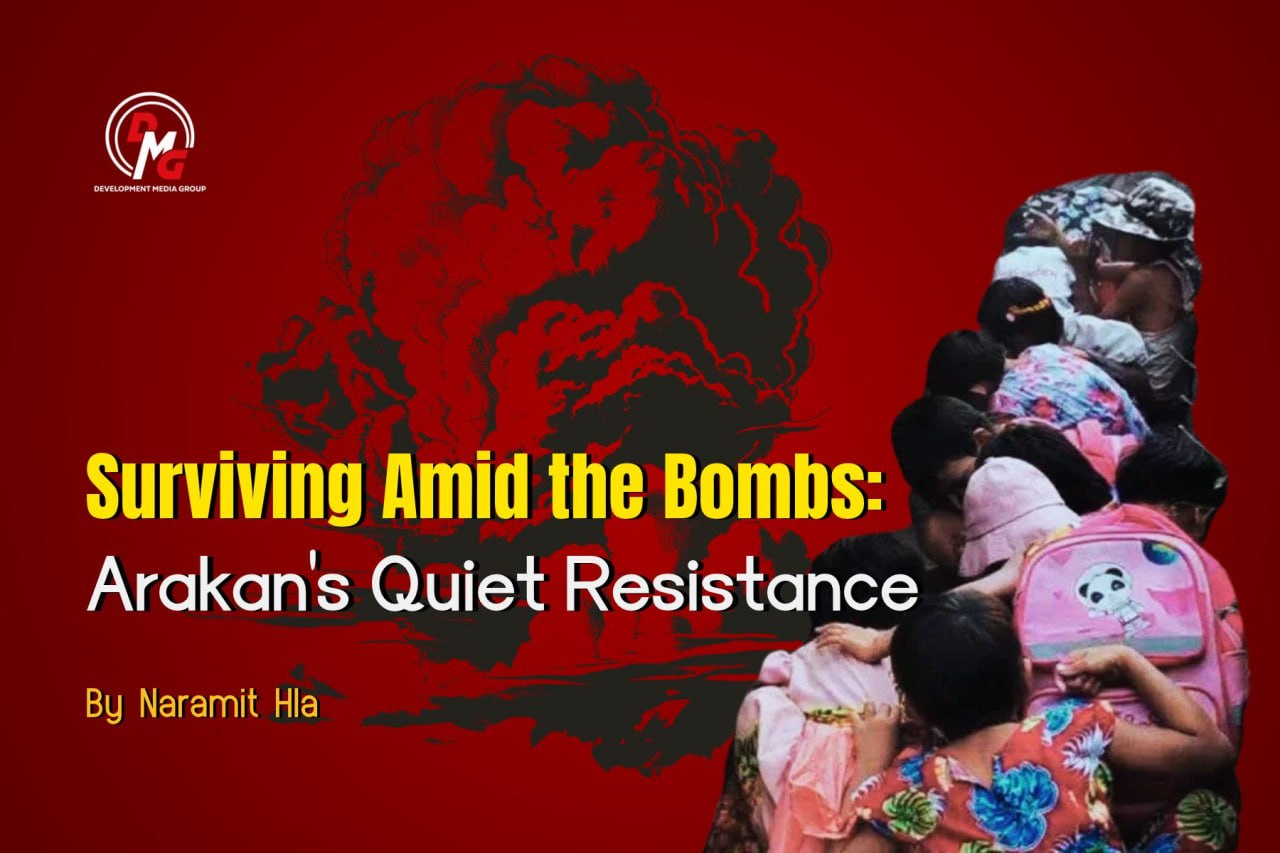
Surviving Amid the Bombs: Arakan's Quiet Resistance
By Admin 19 Oct 2026

Shadows Over Childhood: Confronting the Reality of Missing Children
By Admin 16 Oct 2026
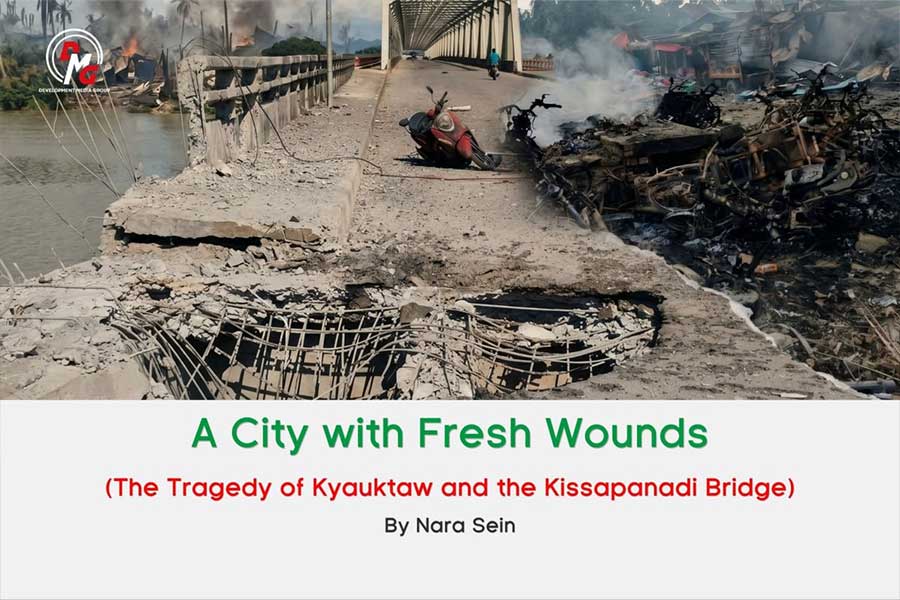
A City with Fresh Wounds (The Tragedy of Kyauktaw and the Kissapanadi Bridge)
By Admin 01 Oct 2026
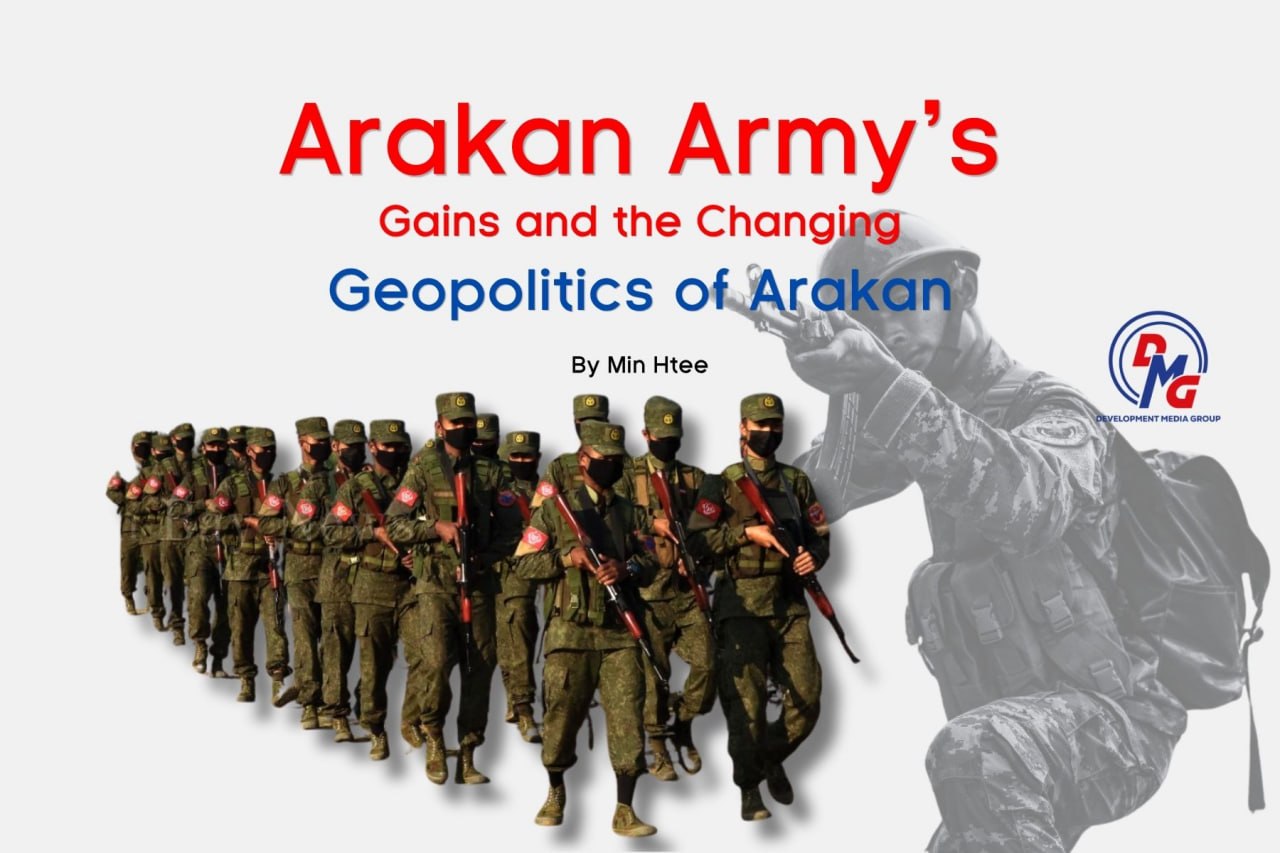
Arakan Army’s Gains and the Changing Geopolitics of Arakan
By Admin 29 Sep 2026

Beyond Military Victory: What Is Myanmar’s Ultimate Political Objective?
By Admin 26 Sep 2026

UN at a Crossroads: Six Priorities for a Shared Future
By Admin 23 Sep 2026
POLITICS


BUSINESS
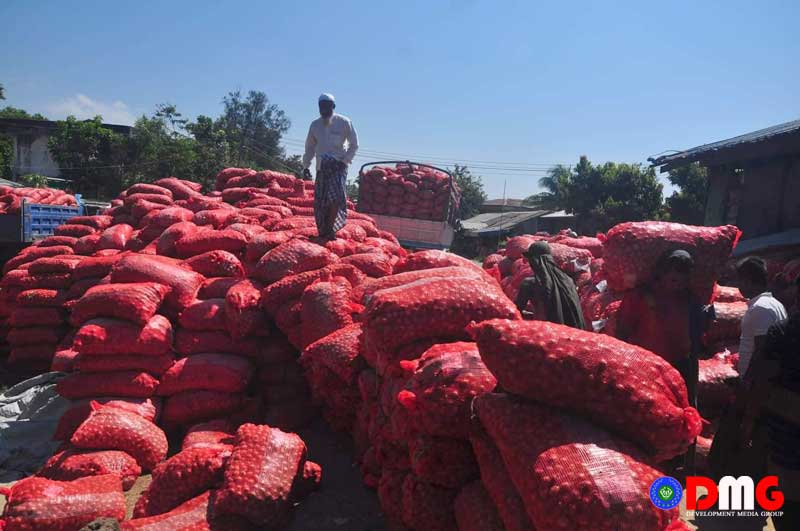
Industry to manufacture finished goods from coconut starting in early 2020
By Aung Kaung Zaw 20 Nov 2019