
- Junta seeks foothold on strategic island in Kaladan River as Arakan Army counterattacks
- Begging nearly doubles amid livelihood crisis in southern Arakan
- Heavy fighting near junta-held Sittwe fuels fear as frontlines approach city
- Displaced civilians struggle to access healthcare after junta airstrike destroys Ponnagyun clinic
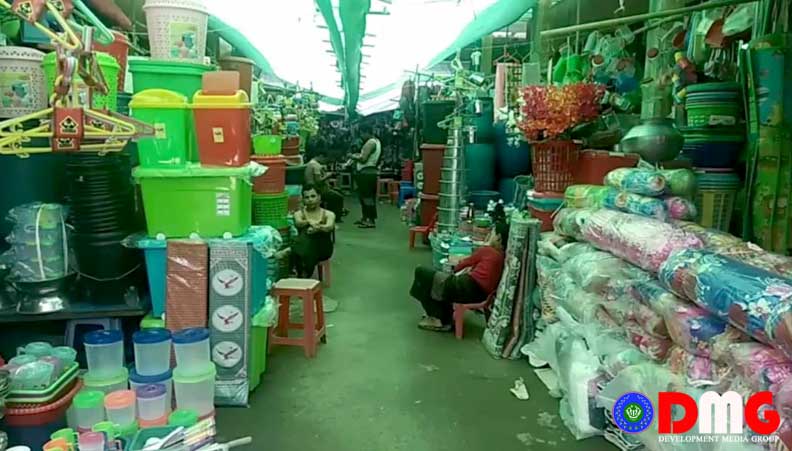
- Kyauktaw market closure disrupts trade and drives up prices across Arakan
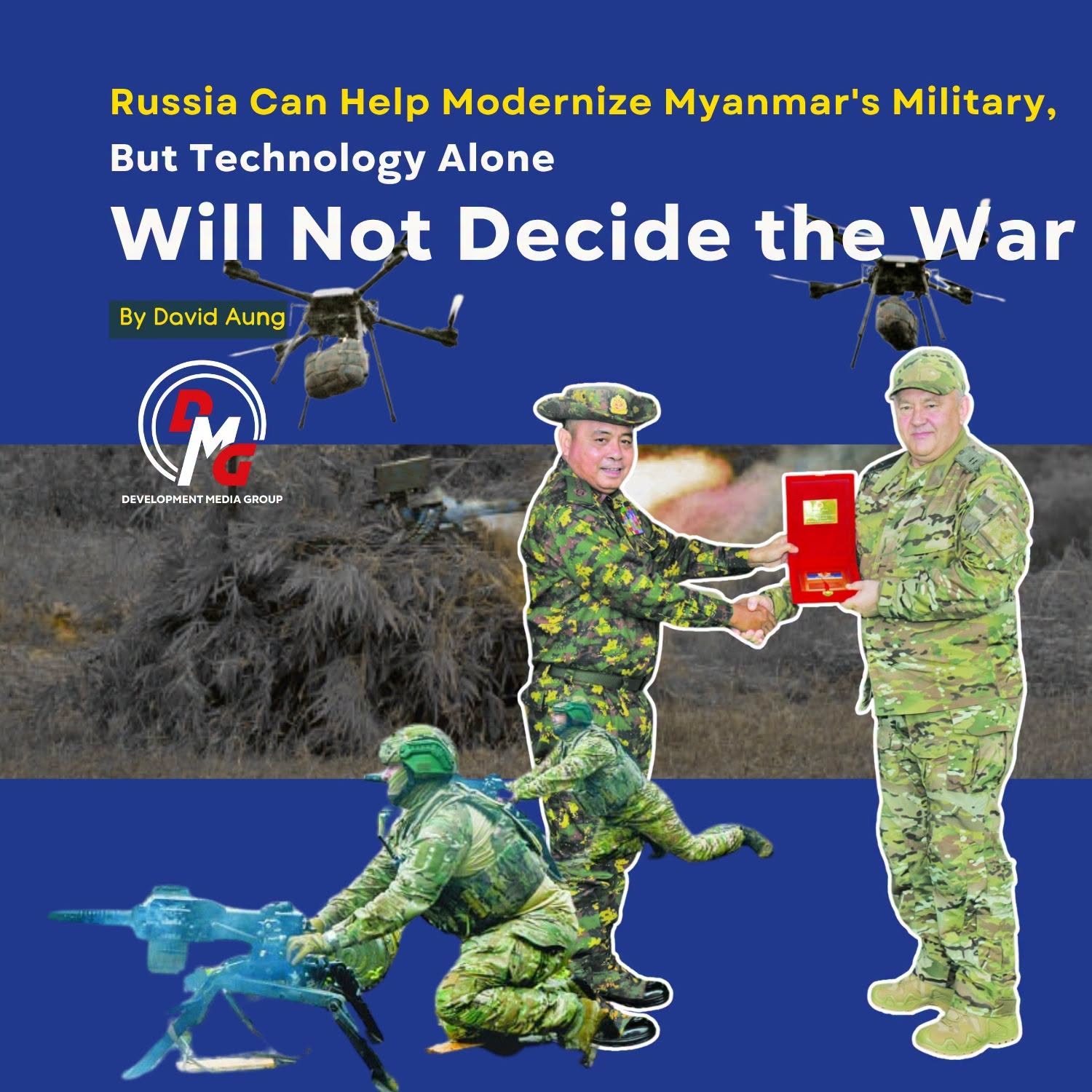
Russia Can Help Modernize Myanmar's Military, But Technology Alone Will Not Decide the War
The recent joint military exercises between Myanmar's military junta and Russia have once again underscored the deepening military relationship between the two countries. Conducted in Naypyidaw over nearly two weeks, the exercises reportedly included counterterrorism operations, counter-drone warfare, tropical assault tactics and demonstrations of Russian military hardware.
30 Jul 2026
By David Aung
The recent joint military exercises between Myanmar's military junta and Russia have once again underscored the deepening military relationship between the two countries. Conducted in Naypyidaw over nearly two weeks, the exercises reportedly included counterterrorism operations, counter-drone warfare, tropical assault tactics and demonstrations of Russian military hardware. For many observers, they signal Moscow's continued commitment to supporting one of its closest partners in Southeast Asia despite the junta's growing international isolation.
The exercises should not be dismissed as mere political theatre. They demonstrate that Myanmar's military is attempting to learn from more than five years of nationwide conflict by modernizing its tactics, strengthening its technological capabilities and expanding military cooperation with Russia. The more important question, however, is whether improved technology can fundamentally alter the trajectory of a war that has increasingly become political, territorial and humanitarian in nature.
Since the 2021 coup, Myanmar's conflict has evolved dramatically. Resistance organizations that initially relied on homemade weapons and limited resources have transformed into increasingly capable fighting forces operating across much of the country. In Arakan, northern Shan, Sagaing, Chin, Karenni, Karen and Tanintharyi, revolutionary groups have adapted quickly by employing decentralized command structures, flexible battlefield tactics and commercially available drone technology. Their ability to innovate repeatedly exposed weaknesses within the military's conventional approach to warfare.
The junta has responded by adapting its own strategy. Dedicated drone units have been established, electronic warfare capabilities expanded, and foreign military cooperation strengthened. The latest joint exercises with Russia suggest that the military is continuing this process of modernization. Resistance organizations should therefore avoid assuming that the military will remain operationally stagnant. Long wars force every army to learn, and the Myanmar military is no exception.
Yet modernization alone cannot solve the junta's deeper structural problems. Despite superior air power, heavy artillery and continued access to foreign military suppliers, the military faces chronic manpower shortages, overstretched logistics and declining territorial control. The introduction of nationwide conscription itself reflects the growing pressure on its personnel. Years of continuous fighting have also consumed enormous quantities of ammunition and military equipment while forcing the military to conduct operations simultaneously across multiple fronts.
These structural challenges are particularly evident in Arakan, where the conflict has entered an entirely new phase. The Arakan Army (AA) and the United League of Arakan (ULA) now administer most of the state, operating local administrative institutions, policing mechanisms and judicial systems across territory largely beyond the junta's effective control. The military is therefore no longer simply defending isolated outposts; it is attempting to regain strategic access to territory where an alternative governing authority has already emerged.
The battles stretching from Nat Yae Kan and Mindon through Gwa and Paletwa illustrate this new reality. These are not isolated clashes but interconnected fronts along the Arakan Roma, where both sides are contesting strategic mountain corridors linking Arakan with central Myanmar. Even if Russia provides more advanced technologies and training, geography remains one of the military's greatest obstacles. Sustaining large-scale operations across rugged mountain terrain requires secure logistics, reliable supply lines and continuous troop rotations, challenges that have repeatedly constrained the junta's campaigns.
Unable to regain extensive territorial control through ground offensives, the military has increasingly relied on air power. Russian-made fighter aircraft, helicopter gunships and more sophisticated drone capabilities have become central to its strategy, allowing it to strike deep inside resistance-held areas. Across Arakan and other resistance strongholds, however, these operations have also resulted in repeated attacks on villages, schools, hospitals, religious sites and displacement camps, causing significant civilian casualties and widespread destruction.
This shift has transformed the humanitarian dimension of the conflict. In Arakan, recent monsoon flooding has compounded the suffering of communities already displaced by war. Many families continue to face shortages of food, healthcare and shelter while humanitarian access remains severely restricted. Similar conditions exist in other conflict-affected regions, where prolonged fighting has disrupted livelihoods, education and public services. The ability to protect civilians and provide effective governance is therefore becoming just as important as success on the battlefield.
The implications extend well beyond Myanmar's borders. Arakan occupies a strategically important position along the Bay of Bengal, bordering Bangladesh and hosting infrastructure projects that are central to both Chinese and Indian regional interests, including the Kyaukphyu Deep Sea Port, the China-Myanmar oil and gas pipelines, and India's Kaladan Multi-Modal Transit Transport Project. As the political landscape in western Myanmar continues to change, regional powers are increasingly balancing formal diplomatic engagement with the practical realities of who exercises effective control on the ground.
Russia's growing military cooperation with the junta should therefore be understood within this broader context. While Moscow may strengthen the military's technological capabilities, foreign assistance alone cannot reverse the political and territorial transformations that have taken place since 2021. Military technology may improve operational effectiveness, increase battlefield survivability and prolong the conflict, but it cannot resolve the junta's deeper crisis of legitimacy or restore control over areas where resistance movements have established durable political and administrative structures.
Nor should resistance organizations assume that continued battlefield successes alone will guarantee long-term stability. Holding territory requires more than military victories. It demands effective governance, functioning institutions, protection of civilians and inclusive political administration. In Arakan, the ULA's ability to consolidate governance while maintaining public confidence may prove just as important as the AA's military successes.
The next phase of Myanmar's conflict is therefore unlikely to be decided solely by drones, fighter aircraft or imported weapons systems. It will be determined by which side can sustain legitimacy, govern territory, protect civilians and adapt to an increasingly complex political, military and humanitarian environment.
Russia can help modernize Myanmar's military. But technology alone will not decide the outcome of a war whose ultimate battleground extends far beyond the front lines.

Opinion
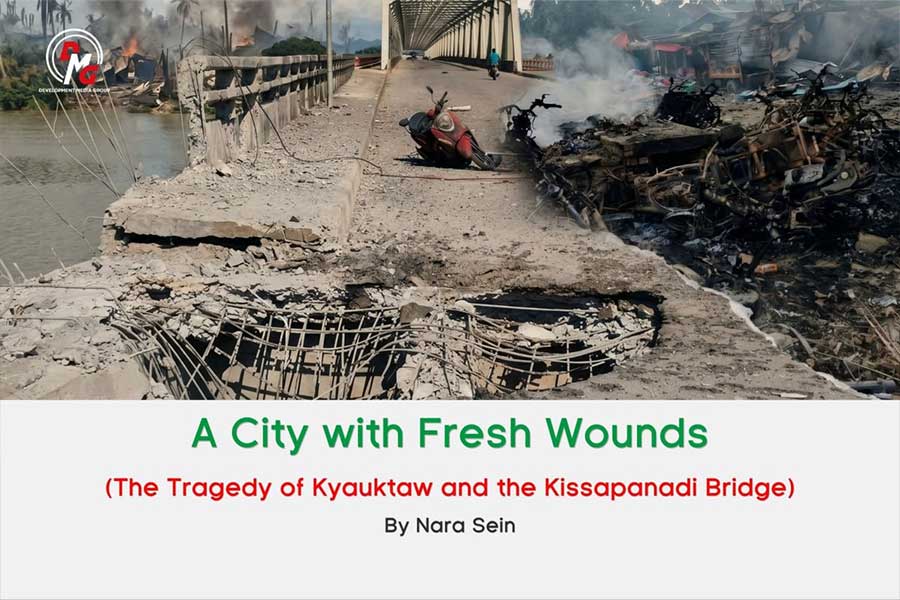
A City with Fresh Wounds (The Tragedy of Kyauktaw and the Kissapanadi Bridge)
By Admin 01 Oct 2026
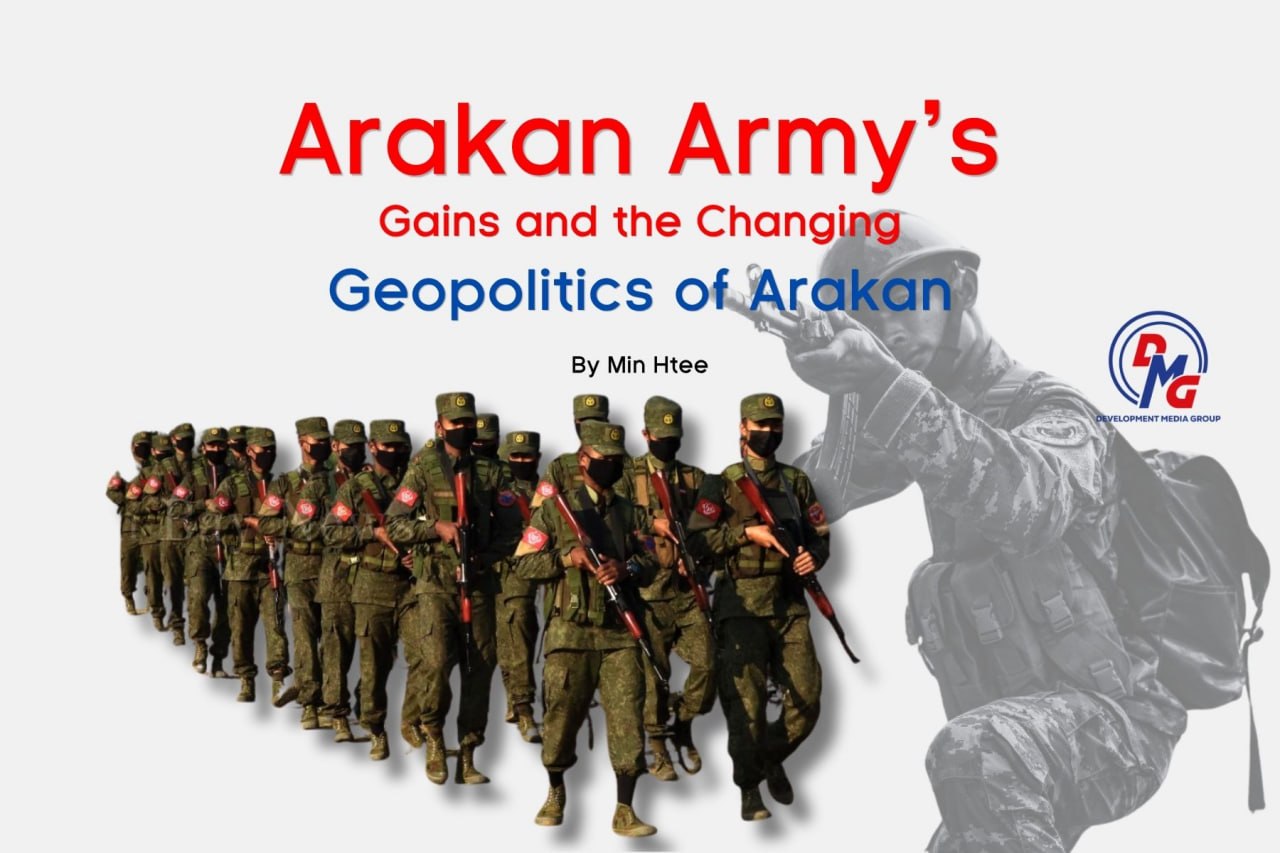
Arakan Army’s Gains and the Changing Geopolitics of Arakan
By Admin 29 Sep 2026
Beyond Military Victory: What Is Myanmar’s Ultimate Political Objective?
By Admin 26 Sep 2026
UN at a Crossroads: Six Priorities for a Shared Future
By Admin 23 Sep 2026
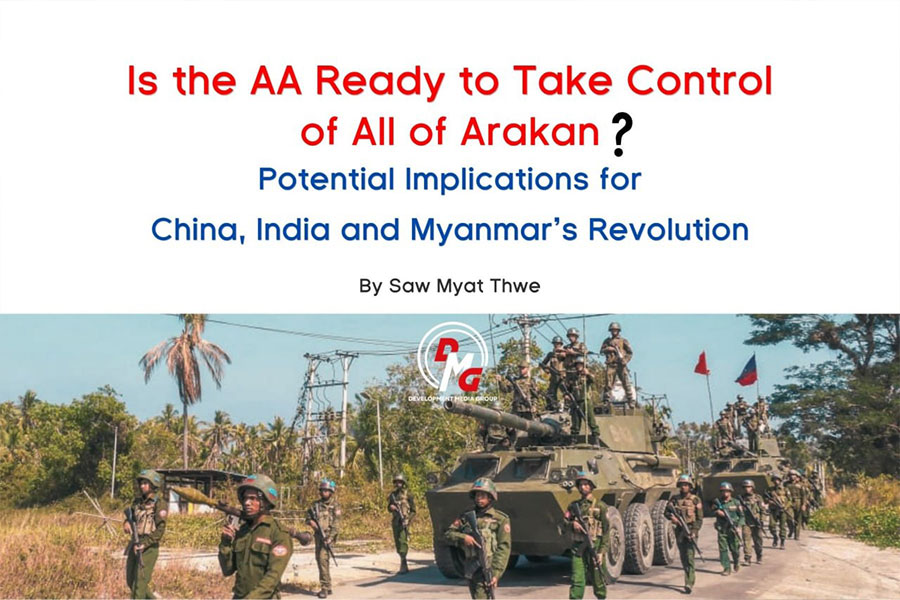
.jpg)
How Can Myanmar’s Political Crisis Be Brought to an End?
By Admin 13 Sep 2026
POLITICS

BUSINESS
Industry to manufacture finished goods from coconut starting in early 2020
By Aung Kaung Zaw 20 Nov 2019