

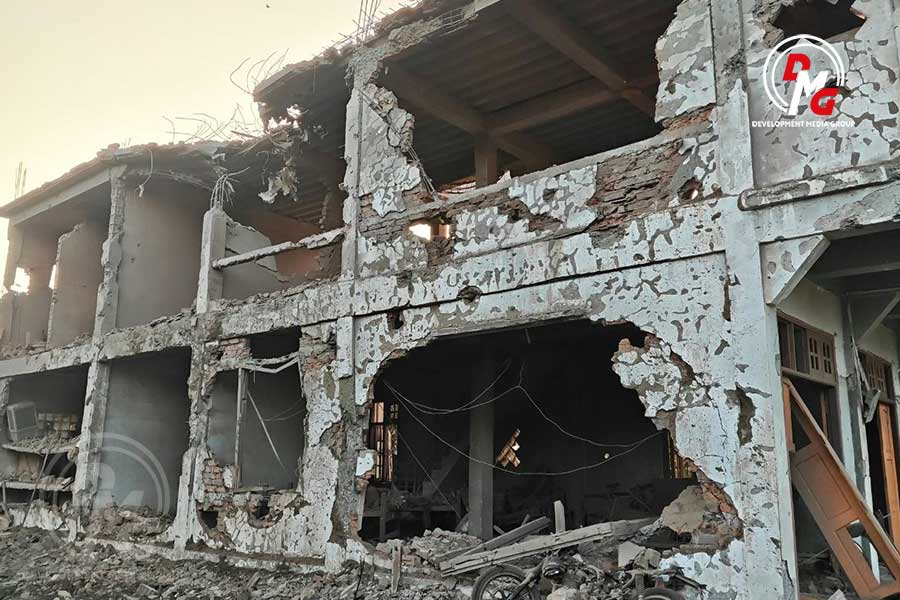
- Junta airstrike kills pregnant woman, injures 12 in Mrauk-U village
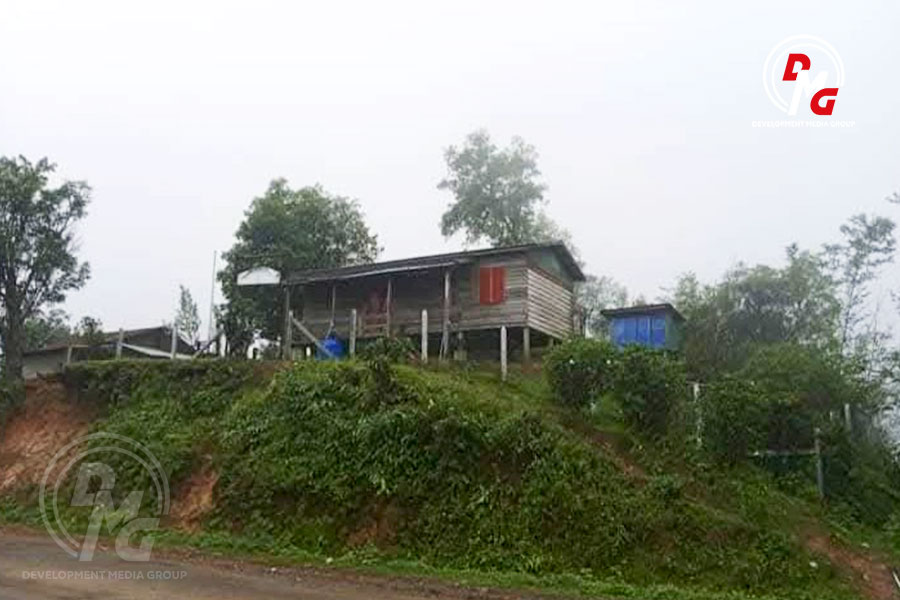
- Road closure, fighting deepen livelihood crisis in Taungup mountain villages
- ULA health department urges Arakan residents to prepare for El Niño
- Junta bombs former displacement sites in Ponnagyun
- ULA steps up efforts to strengthen India–Arakan border trade
Paddy harvesting fees reach K140,000 for three-quarters of an acre in Arakan
Farmers in Arakan State are anticipating losses as the paddy harvesting season begins, with harvesting fees and agricultural input costs continuing to rise, according to local farmers.
07 Nov 2026
DMG Newsroom
7 November 2026, Mrauk-U
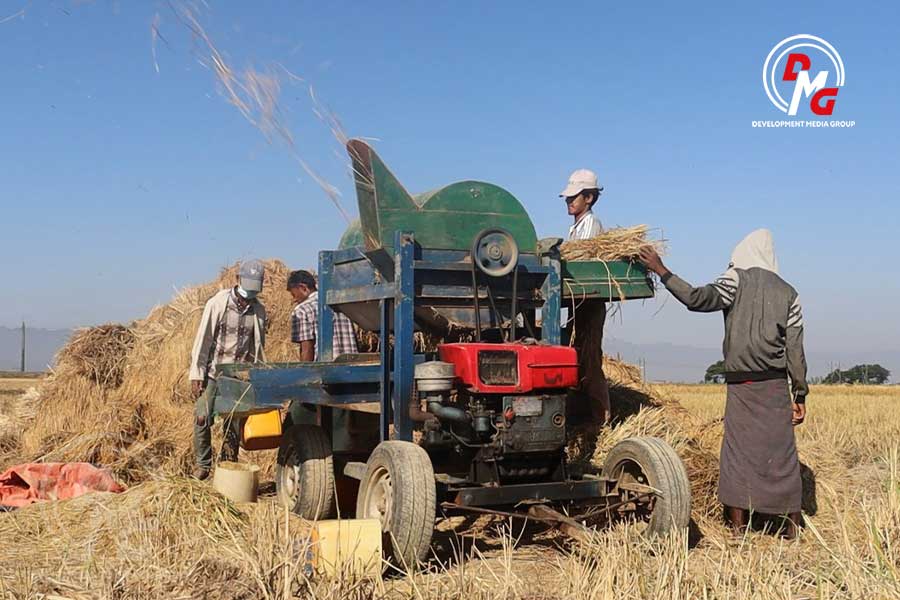
Farmers in Arakan State are anticipating losses as the paddy harvesting season begins, with harvesting fees and agricultural input costs continuing to rise, according to local farmers.
Harvesting of Kaukyin paddy has begun, with combine harvester fees reaching as much as K140,000 for three-quarters of an acre.
"We had to pay K140,000 for harvesting three-quarters of an acre of Kaukyin paddy. Last year, it was K130,000. This year, the price has increased by over K10,000. We believe this increase is driven by rising fuel prices and the higher cost of harvester spare parts," said U Maung Aung Kyaw, a farmer from Ohtein Village in Mrauk-U Township.
Diesel used to operate combine harvesters is currently priced at K24,000 per gallon and more than K1.3 million per barrel. Farmers fear that harvesting fees will rise further if fuel prices continue to increase.
Although harvesting fees are currently only slightly higher than last year's rates, farmers said prices could change depending on future fuel costs.
U Than Shwe, an owner of a combine harvester, said: "The current harvesting rate is only slightly higher than last year. However, during the main harvesting period, prices could fluctuate based on fuel costs."
Farmers reported that they have faced high agricultural input costs since the beginning of the cultivation season, spending around K600,000 per three-quarters of an acre by harvest time. These expenses include ploughing, transplanting and fertilizer costs.
Currently, 100 baskets of Kaukyin paddy are worth nearly K800,000 in Arakan State. Farmers said they are operating at a loss, with no profit margin because of high production costs.
"Farmers have spent a lot on input costs. Right after planting, heavy rains and floods damaged the crops, forcing us to plough the fields and transplant seedlings again. Due to poor rainfall this year, crop yields are also low. Farmers are facing losses," said Daw Thaung Sein Hla, a farmer in Mrauk-U Township.
Arakanese farmers have struggled with high agricultural input costs this year while also facing natural hazards, including flooding, extreme temperatures and water shortages.

Top News
Paddy harvesting fees reach K140,000 for three-quarters of an acre in Arakan
By Admin 07 Nov 2026
Junta airstrike kills pregnant woman, injures 12 in Mrauk-U village
By Admin 06 Nov 2026
Road closure, fighting deepen livelihood crisis in Taungup mountain villages
By Admin 06 Nov 2026
ARSA activities heighten security fears across northern Arakan
By Admin 05 Nov 2026

Clashes intensify along Sittwe–Ponnagyun border as junta renews offensive
By Admin 05 Nov 2026