
- Junta air raids deepen livelihood crisis for displaced people in Ponnagyun
- Extreme heat and water shortages threaten paddy fields across Arakan
- Arakan Army captures junta outposts as fighting intensifies near Sittwe
- Pro-junta ALP chair says NCA can shape Arakan’s future
- Extreme heat drives rise in clinic visits across Arakan
Shadows Over Childhood: Confronting the Reality of Missing Children
Yet a critical question remains: How quickly and effectively can our institutions respond when a child disappears? And who is responsible for protecting children from abuse, trafficking and exploitation?
16 Oct 2026
By Nicholas Biswas
When a child goes missing, a family loses more than the presence of a son or daughter. It loses its sense of security, peace of mind and confidence in the future. We have seen desperate parents carrying photographs of their missing children, searching from place to place, contacting relatives and friends, reporting the disappearance to the police and appealing for help through social media.
Yet a critical question remains: How quickly and effectively can our institutions respond when a child disappears? And who is responsible for protecting children from abuse, trafficking and exploitation?
According to figures attributed to Bangladesh Police Headquarters, 15,717 children were reported missing nationwide between January and July 2026. Of these, 13,679 were reportedly found or returned to their families, while 2,038 remained untraced, according to figures released on September 3.
These figures are deeply concerning, but they require careful interpretation. Police records, including General Diaries (GDs), which are formal entries used to report incidents, do not necessarily capture every disappearance or explain the circumstances of each case.
Some children leave home because of family conflict, violence or other difficulties. Others may face abduction, trafficking, sexual abuse or exploitation. The circumstances differ, and an effective response must recognise those differences.
The US Department of State's Trafficking in Persons reports have highlighted the continuing problem of child sex trafficking in Bangladesh. However, missing-child reports should not automatically be treated as evidence of trafficking.
The questions, therefore, go beyond how many children disappear. Why do they go missing? What happens to them? And how prepared are our institutions to bring them home safely?
Every Missing Child Deserves an Immediate Response
Children may lack the knowledge, resources or ability to protect themselves. Those living in poverty, children with disabilities, street-connected children and those experiencing domestic violence may face additional risks.
Every missing-child report deserves an immediate, child-sensitive response, with action guided by the circumstances and risks involved. The first few hours can be critical, particularly when abduction, trafficking or immediate danger is suspected.
Filing a General Diary should mark the beginning of the police response, not the end. Authorities should promptly assess the child's age, description, last known location, relevant contacts and other available information.
Families should not face indifference, suspicion or unnecessary bureaucratic obstacles. Police stations should have trained personnel or designated child-protection officers who can coordinate searches, provide regular updates and connect families with relevant support services.
For a frightened parent, what matters most is knowing that someone is listening and taking meaningful action.
Finding a Child Is Not the End of the Responsibility
When a missing child is found, the family's relief may be enormous. But recovery does not necessarily mean the child is safe from further harm.
Authorities must assess whether the child experienced violence, coercion, sexual abuse, trafficking or exploitation. Such assessments should be conducted sensitively by trained professionals, without repeated questioning or blaming the child.
A recovered child may require medical care, psychosocial support, counselling, legal assistance or safe accommodation. Returning a child home without assessing the circumstances behind the disappearance may expose them to further harm.
The child's safety, dignity and best interests must remain central to every decision.
Prevention Begins at Home and in Schools
Fear, shame and silence remain major barriers to addressing child sexual abuse. Some families hesitate to report abuse because of social stigma, while children may be blamed or pressured to remain silent.
This culture must change.
Children need age-appropriate guidance about personal boundaries, unsafe behaviour and how to seek help. They should know that threats, gifts or demands for secrecy can sometimes be used to manipulate them.
However, responsibility for preventing abuse must never rest on children alone. Parents, caregivers, teachers and institutions must create safe environments where children can speak without fear.
Schools and madrasas should adopt clear child-safeguarding policies. Teachers and staff need training to recognise warning signs, respond appropriately to disclosures, report concerns and protect children's privacy.
Safeguarding must also extend to the digital world. Social media, online games, messaging platforms and false online identities can expose children to manipulation and exploitation. Education about personal and online safety should therefore become part of children's learning.
Technology and Child Helpline 1098
Technology can create risks, but it can also help protect children.
A reliable national system for recording and sharing information about missing children could improve coordination among police stations and relevant agencies. Where lawful and necessary, CCTV footage, transport records and other digital evidence may support investigations.
However, information-sharing must protect children's privacy. Public appeals and social media campaigns should never expose a child to further danger.
Bangladesh also has an important child-protection mechanism: Child Helpline 1098, a free nationwide service through which children and concerned adults can seek assistance.
Yet public awareness remains essential. Information about 1098 should be prominently displayed in schools, madrasas, hospitals, local government offices, transport terminals and other public places.
Children should remember a simple message: When you are in danger, do not remain silent. Seek help from a trusted adult or an appropriate protection service.
Child Protection Is Everyone's Responsibility
Protecting children cannot be the responsibility of the police or Department of Social Services alone. Families, schools, healthcare providers, local authorities, civil-society organisations, courts, communities and the media all have important roles.
Community organisations can help identify vulnerable children, raise awareness, support families and connect those at risk with appropriate services.
The media must also report responsibly. Coverage of missing children, sexual abuse or trafficking should serve the public interest without compromising a child's dignity, privacy or safety.
Effective child protection requires coordinated institutions, trained personnel, accessible services and accountability for perpetrators. It also requires a commitment to addressing the circumstances that expose children to violence, exploitation and neglect.
Preventing Disappearances Must Be Our Ultimate Goal
Finding a missing child is undoubtedly important. But an even greater achievement would be to build a society where risks are recognised and addressed before a child disappears.
A society where children feel safe at home, are protected at school, understand online risks and can speak about abuse without fear.
A society where a child who asks for help is listened to, believed and supported rather than blamed or silenced.
Child protection is not an act of charity. It is a child's right.
When a child goes missing, we must ask not only, "Where is the child?" but also, "What circumstances placed this child at risk, and how could those dangers have been prevented?"
Every missing-child report deserves a prompt, coordinated and compassionate response. But our responsibility goes further: to protect children before they disappear.
Finding missing children is our responsibility. Keeping children safe is everyone's responsibility.
Nicholas Biswas is a freelance journalist and a recipient of the United Nations Population Fund (UNFPA) Media Award. He can be reached at gonomaddzam@gmail.com.

Opinion
Shadows Over Childhood: Confronting the Reality of Missing Children
By Admin 16 Oct 2026
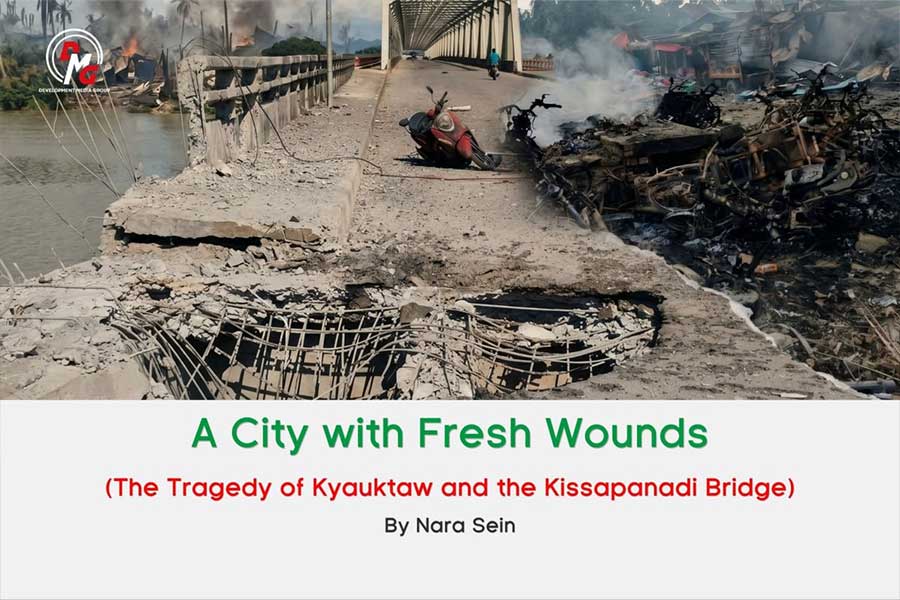
A City with Fresh Wounds (The Tragedy of Kyauktaw and the Kissapanadi Bridge)
By Admin 01 Oct 2026

Arakan Army’s Gains and the Changing Geopolitics of Arakan
By Admin 29 Sep 2026

Beyond Military Victory: What Is Myanmar’s Ultimate Political Objective?
By Admin 26 Sep 2026
UN at a Crossroads: Six Priorities for a Shared Future
By Admin 23 Sep 2026

POLITICS


BUSINESS

Industry to manufacture finished goods from coconut starting in early 2020
By Aung Kaung Zaw 20 Nov 2019