
- 92 groups urge Canada to expand sanctions on Myanmar oil and gas sector
- Junta bombing of Ponnagyun IDP shelter injures three civilians
- UN investigators seek evidence on deadly Kyauktaw airstrike as attacks continue across Arakan
- Myanmar military continues airstrikes across Arakan after deadly Kyauktaw attack
- ISP-Myanmar reports at least 115 mass civilian killing incidents across Myanmar
Burned Dreams and Blood-Stained Schoolbooks
“It happened in an instant… while the market was crowded, the bombs fell. Even relatives of the monastery were killed there,” said Sayadaw Danapala, his voice heavy with grief.
24 Mar 2026
Written by Aung Murm
About six miles from Ponnagyun town, along the Yangon–Sittwe highway, lies a place where the Kaladan River meets Yoe Creek. There stands a small village once full of life, Yoe Ngu.
As a journalist, I have traveled many times for work. But this journey felt particularly heavy.
The moment I arrived, what I saw was not beautiful scenery. Smoke still lingered in the air. Coconut and mango trees stood blackened and charred, their branches stripped bare.
The air carried the smell of burnt clothes mixed with other foul odors. Along the village road, there was almost complete silence broken only by the faint sounds of sobbing.
On fences by the roadside, scattered blankets and clothing were stained with dark patches of blood silent testimony to the tragedy that had unfolded here.
“It happened in an instant… while the market was crowded, the bombs fell. Even relatives of the monastery were killed there,” said Sayadaw Danapala, his voice heavy with grief.
On the afternoon of February 24, 2026, two 500-pound bombs were dropped, killing 20 people.
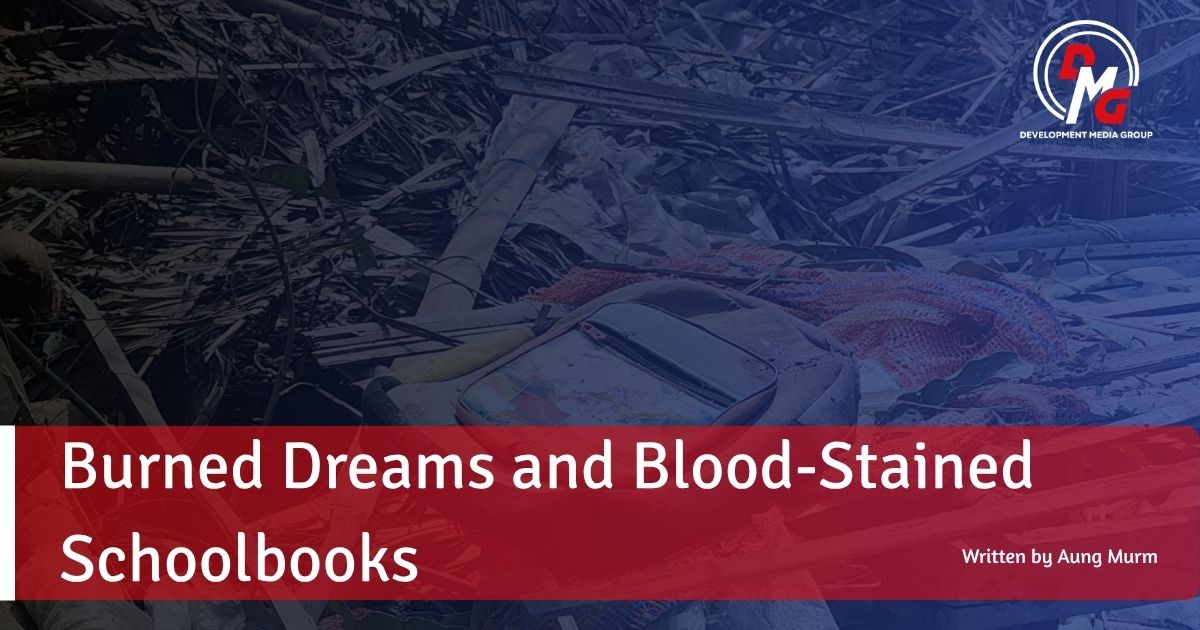
Among the shattered remains of a house struck by bomb fragments, a child’s schoolbook lay soaked in blood.
As I walked through the village, I met 60-year-old Daw Ma Aye Khin. Her eyes were still red with grief. Her hands trembled as she spoke about pulling her daughter, Daw San San Win, from their burning home.
“My daughter is gone… our livelihood is gone… I don’t feel like saying anything anymore,” murmured her husband, U Tun Oo Kyaw, in a faint voice.
Witnessing these scenes, passages from international law came to mind.
The Principle of Distinction, enshrined in International Humanitarian Law (IHL), was nowhere to be found in Yoe Ngu village. There had been no distinction between soldiers and civilians, between military targets and homes.
Dropping 500-pound bombs indiscriminately, without regard for civilian life, is nothing less than a blatant war crime.
As U Myat Tun, chairman of the Arakan Human Rights Defenders and Promoters Association, stated: “Deliberately harming civilians in the absence of active fighting is a violation of the Geneva Conventions.”
His words echo through the ashes of Yoe Ngu.
Until there is effective accountability through mechanisms such as the International Criminal Court (ICC), and until fuel supplies and weapons are meaningfully restricted, villages like Yoe Ngu will continue to be burned to the ground.
Statements from the international community expressing “concern” have not extinguished the fires in Yoe Ngu, nor have they brought back the dead.
While the military authorities often justify such attacks as targeting “military objectives,” what exists on the ground are market stalls and displaced civilians seeking shelter.
During this visit, one thing stood out: in the eyes of the villagers, there was something deeper than fear, pain.
The images of children killed, some decapitated, and survivors with bodies burned beyond recognition will remain an unerasable nightmare for the people of Yoe Ngu.
According to Ko Pyae Phyo Naing of the Ponnagyun Youth Association, this was the deadliest incident involving civilian casualties in Ponnagyun Township.
As a journalist, I am aware that mass killings from airstrikes are occurring across Arakan State almost daily. But witnessing Yoe Ngu firsthand felt like stepping into a living hell.
As evening fell and I left Yoe Ngu, the waters of the Kaladan River flowed quietly.
Yet in that small village at the river’s edge, more than ten homes had been reduced to ashes.
The tears of the survivors will continue to flow silently like the waters of Yoe Creek.
In all my years as a journalist, I have taken many journeys. But this journey to Yoe Ngu filled with scenes of injustice beneath a lawless sky is one I will never forget.

Opinion
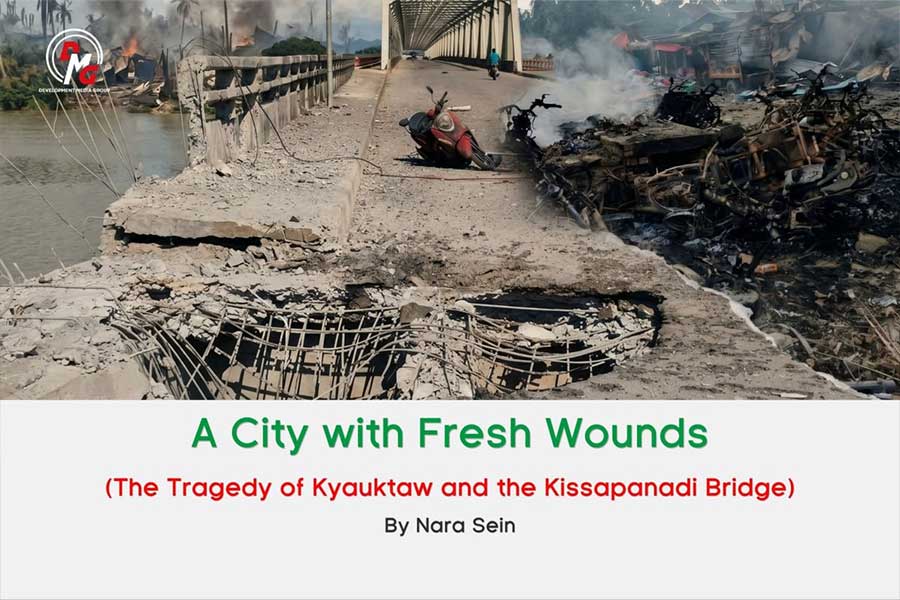
A City with Fresh Wounds (The Tragedy of Kyauktaw and the Kissapanadi Bridge)
By Admin 01 Oct 2026
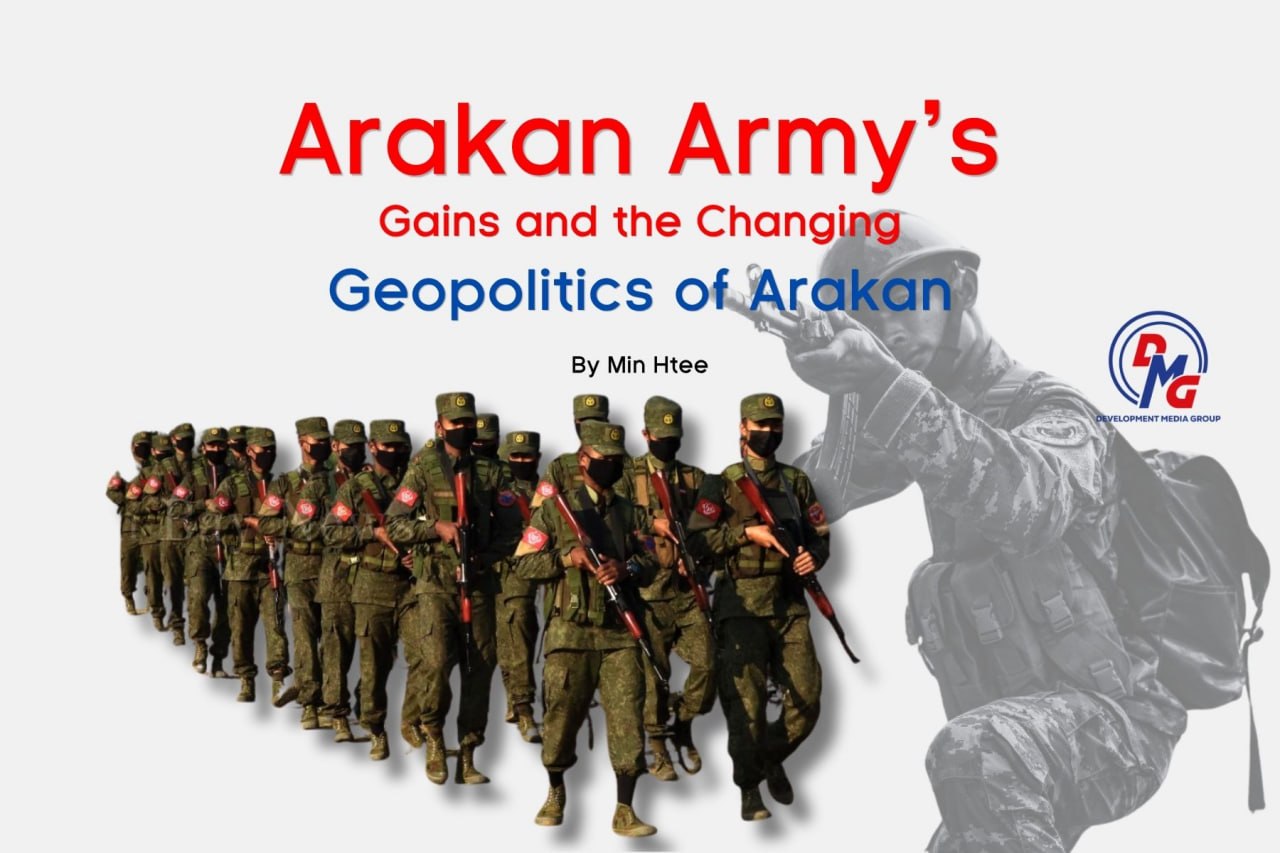
Arakan Army’s Gains and the Changing Geopolitics of Arakan
By Admin 29 Sep 2026
Beyond Military Victory: What Is Myanmar’s Ultimate Political Objective?
By Admin 26 Sep 2026
UN at a Crossroads: Six Priorities for a Shared Future
By Admin 23 Sep 2026
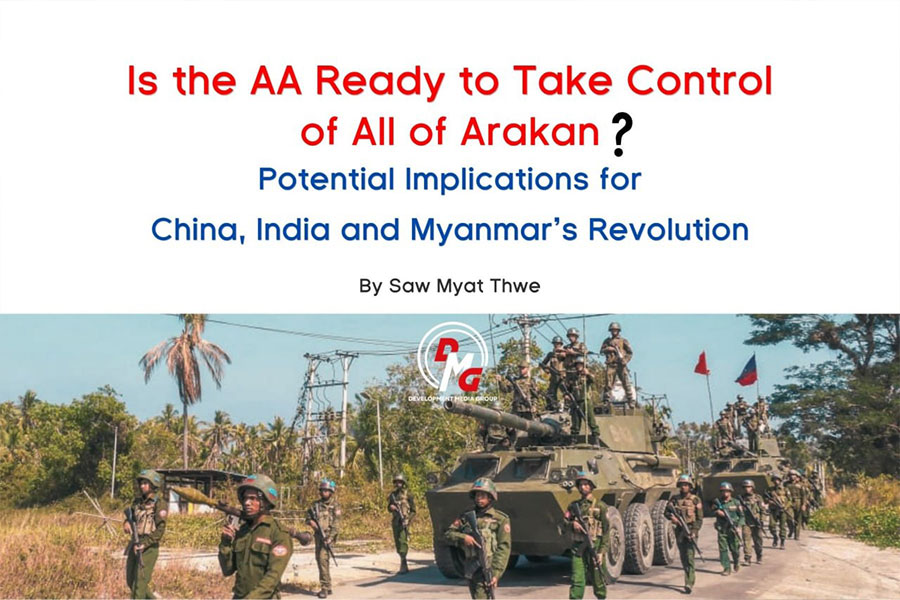
.jpg)
How Can Myanmar’s Political Crisis Be Brought to an End?
By Admin 13 Sep 2026
POLITICS

BUSINESS
Industry to manufacture finished goods from coconut starting in early 2020
By Aung Kaung Zaw 20 Nov 2019