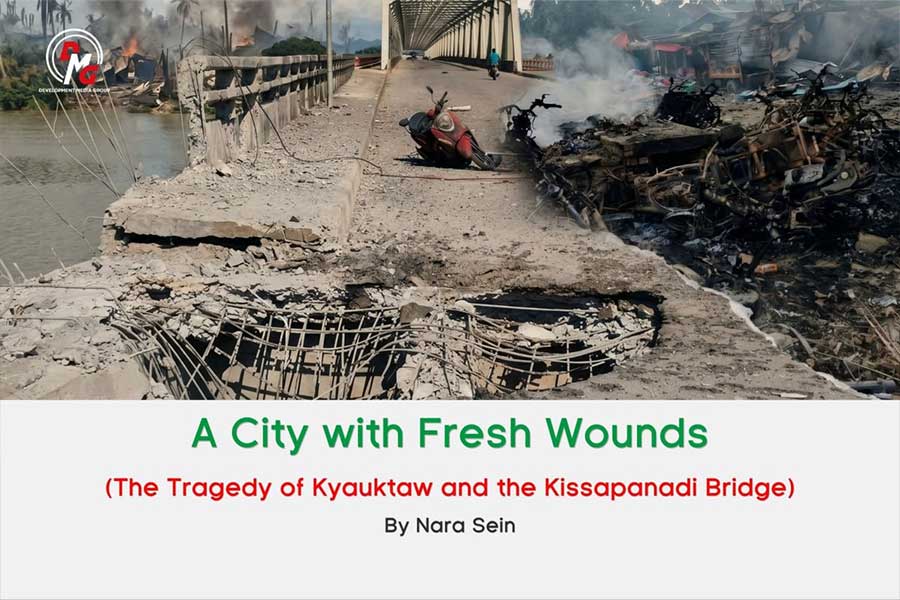

- Junta jet fleet bombs at least three locations in Kyauktaw
- Junta aerial bombardment of Taungup leaves two residents dead, one injured
- Junta deploys 2,000 troops in major offensive against AA-held territory: ISP-Myanmar
- APHR opposes Min Aung Hlaing’s Malaysia visit, urges halt to Myanmar returns
- Myanmar military airstrikes kill eight in Ponnagyun as attacks escalate across Arakan
Revolutionary forces dismiss Min Aung Hlaing’s peace talks proposal
Revolutionary forces and political analysts have dismissed former junta chief Min Aung Hlaing’s invitation to ethnic armed organizations for peace talks, calling the offer unacceptable.
24 Apr 2026
DMG Newsroom
24 April 2026, Nay Pyi Taw
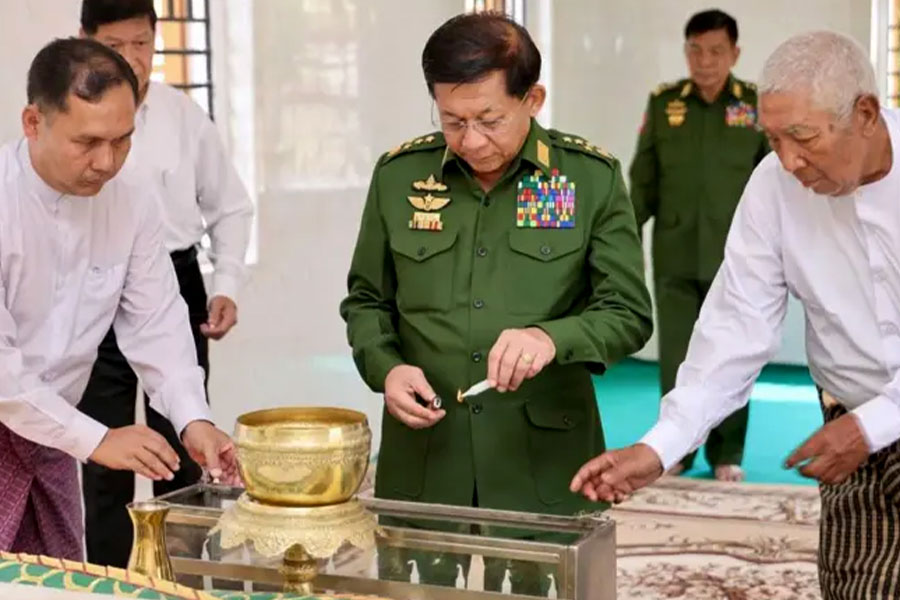
Revolutionary forces and political analysts have dismissed former junta chief Min Aung Hlaing’s invitation to ethnic armed organizations for peace talks, calling the offer unacceptable.
Min Aung Hlaing has been calling for meetings with all ethnic revolutionary armies and People’s Defence Forces (PDFs) within the next 100 days, starting from April 20.
The invitation specifically named signatories of the Nationwide Ceasefire Agreement (NCA), including the Karen National Union (KNU), the Chin National Front (CNF), and the All Burma Students’ Democratic Front (ABSDF). It also extended to non-signatories, while demanding that PDFs surrender their weapons and enter the legal fold.
Regarding the former junta chief’s peace talk invitation, KNU spokesperson Padoh Saw Taw Nee said, "Our fundamental stance has not changed at all. They violated the entire peace process that we were deeply involved in after the 2021 military coup. Talking about the NCA now is completely meaningless."
He added, "While we reached specific agreements in Union Accords 1, 2, and 3 that he refers to, they completely ignored them. Violating political culture through a violent coup is crossing our red line. The agreements were destroyed the moment the regime did this. Since the military seized power, nothing remains. Therefore, saying these things at this time is pointless. Our position has not shifted."
The KNU stated that the military must exit politics and operate under the control of a civilian government that does not kill its own people. It emphasized that the focus must be on abolishing the 2008 Constitution and drafting a new federal democratic constitution.
The CNF and ABSDF, also named in the invitation issued under Min Aung Hlaing’s new self-appointed title as president, have told the media they will not engage in these peace talks.
Analysts suggest the peace offer is merely an old tactic intended to showcase legitimacy, labeling it a sham peace.
Myanmar political analyst U Myo Kyaw told DMG, "Successive military governments have used peace as a weapon to maintain power, demonstrate legitimacy, or break the unity of revolutionary forces. This is nothing new. Min Aung Hlaing, the self-appointed president, is just using the same old method. He wants to show legitimacy, so this peace will only be a sham."
U Myo Kyaw also assessed that only a few organizations with good relations with the military might attend, while those firmly fighting to uproot the military dictatorship will not.
A politician in Arakan State observed that the current peace offer is likely a test for political gain, given the strict conditions imposed by the regime.
"The regime’s peace invitation is not all-inclusive. They have set strict rules. For example, PDFs must surrender their weapons, and EAOs are told not to make impossible demands," said a former lawmaker from Arakan State.
He added, "This offer is just a test to see if they can gain any political advantage. In practice, it is nearly impossible to succeed. Only a few NCA signatories might accept it. For EAOs and PDFs fighting on the ground, it is out of the question."
Min Aung Hlaing is offering these peace processes as part of a so-called first 100-day plan for his new government after becoming president through an election he designed himself.
Meanwhile, the regime continues to launch daily airstrikes across Myanmar using groups of aircraft, resulting in civilian deaths and injuries. This ongoing violence has led many to view the peace invitation with deep suspicion and mistrust.
Armed revolution has intensified in Myanmar since the 2021 coup. In addition to long-standing ethnic armed groups, hundreds of PDF units have emerged, leaving the country deeply mired in civil war.
While some ethnic armed groups in northern Shan State have reached ceasefire agreements through Chinese mediation, intense fighting continues in Kachin, Chin, Arakan, Kayin, Kayah, and Mon states, as well as Sagaing, Magway, Bago, Ayeyarwady, and Tanintharyi regions.

Top News
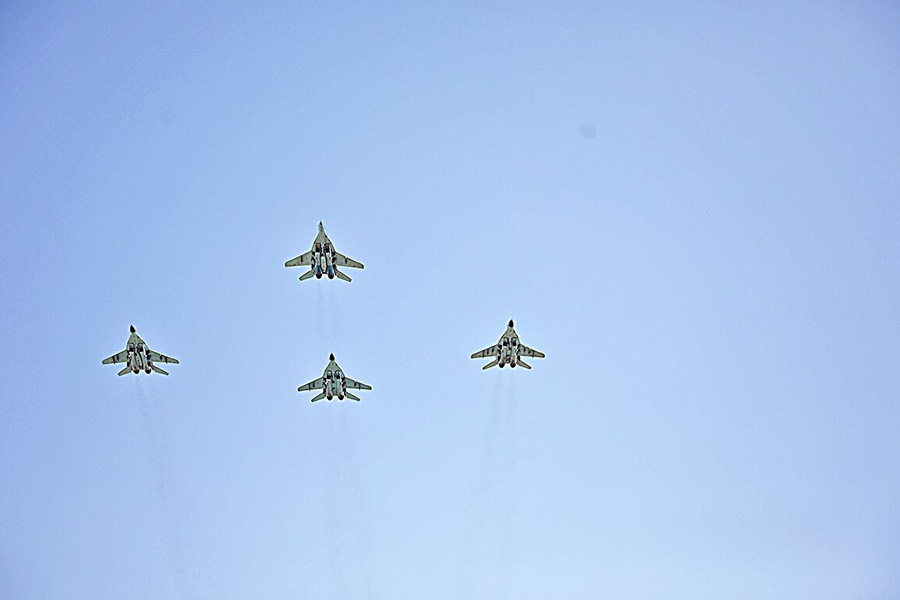
Junta jet fleet bombs at least three locations in Kyauktaw
By Admin 07 Oct 2026
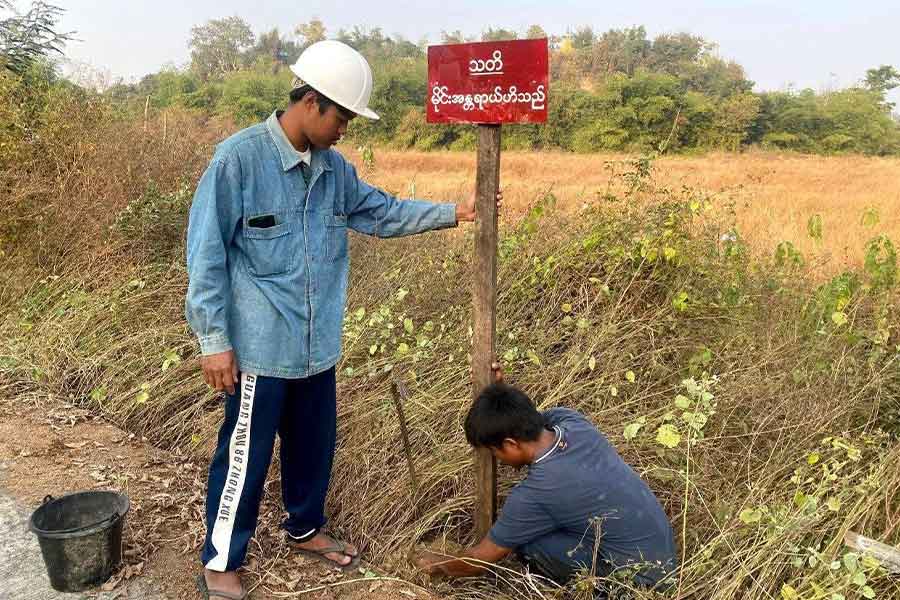
Two ethnic Chakma men injured in Maungdaw landmine blast
By Admin 07 Oct 2026
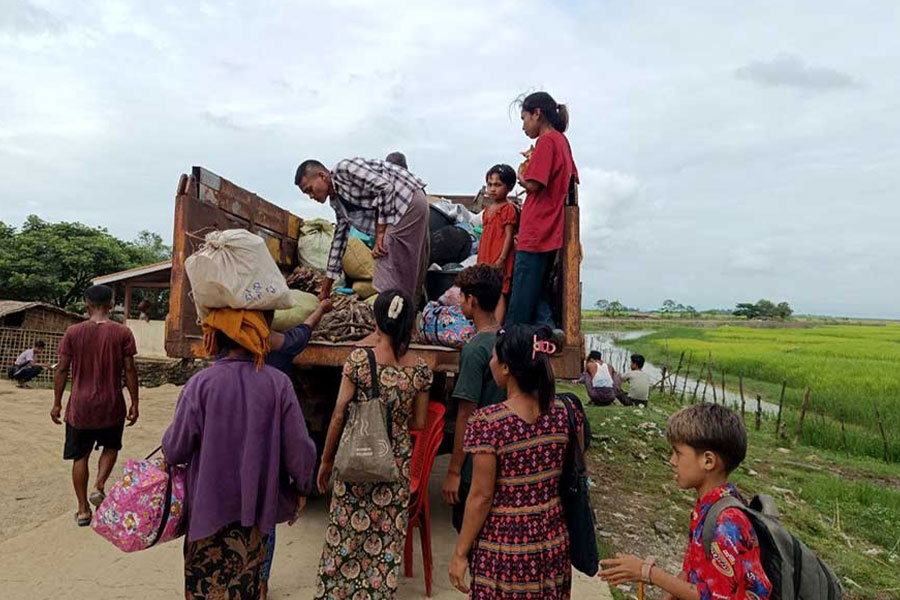
Ponnagyun residents flee en masse as junta airstrikes target displacement camps
By Admin 06 Oct 2026
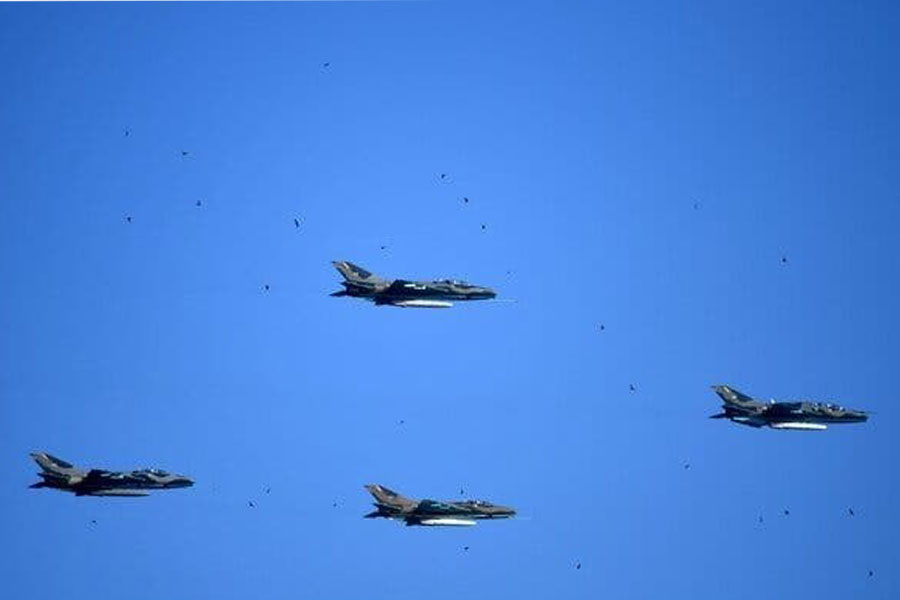
Junta aerial bombardment of Taungup leaves two residents dead, one injured
By Admin 06 Oct 2026
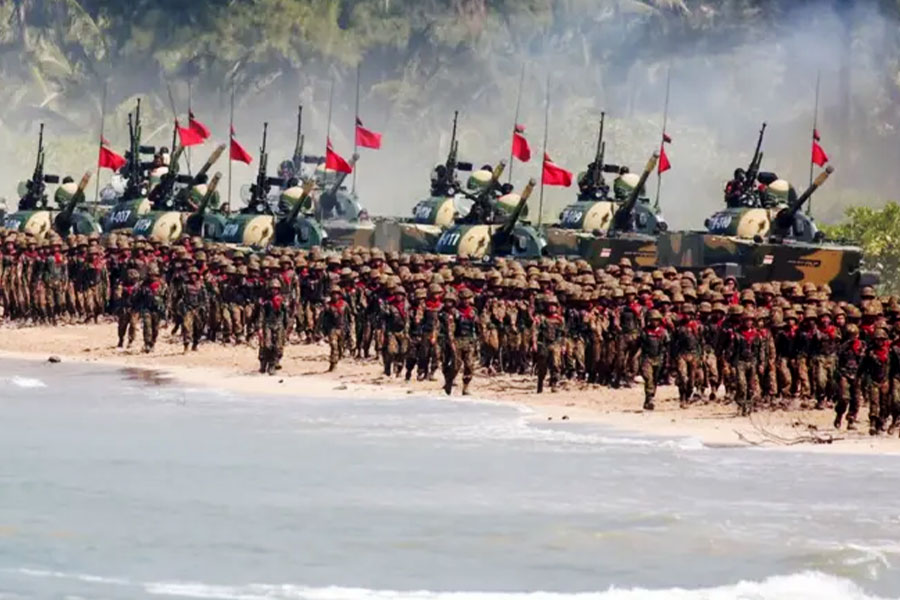
Junta deploys 2,000 troops in major offensive against AA-held territory: ISP-Myanmar
By Admin 06 Oct 2026