
- ULA/AA faces governance challenges as it consolidates control in Arakan: ISP-Myanmar
- Death toll from Kyauktaw airstrike rises to 50
- Myanmar military carried out at least 222 airstrikes in Arakan over five months: ISP-Myanmar
- Junta airstrikes on four Arakan townships leave more than 100 civilian casualties
- APHR calls for accountability over junta airstrikes on Kyauktaw
Arakan Army sets five-year prison term for kratom cultivation in controlled areas
The Arakan Army (AA) has issued a directive imposing a prison sentence of up to five years on individuals found cultivating Mitragyna speciosa, commonly known as kratom, in areas under its control.
02 Mar 2026
DMG Newsroom
2 March 2026, Kyauktaw
The Arakan Army (AA) has issued a directive imposing a prison sentence of up to five years on individuals found cultivating Mitragyna speciosa, commonly known as kratom, in areas under its control.
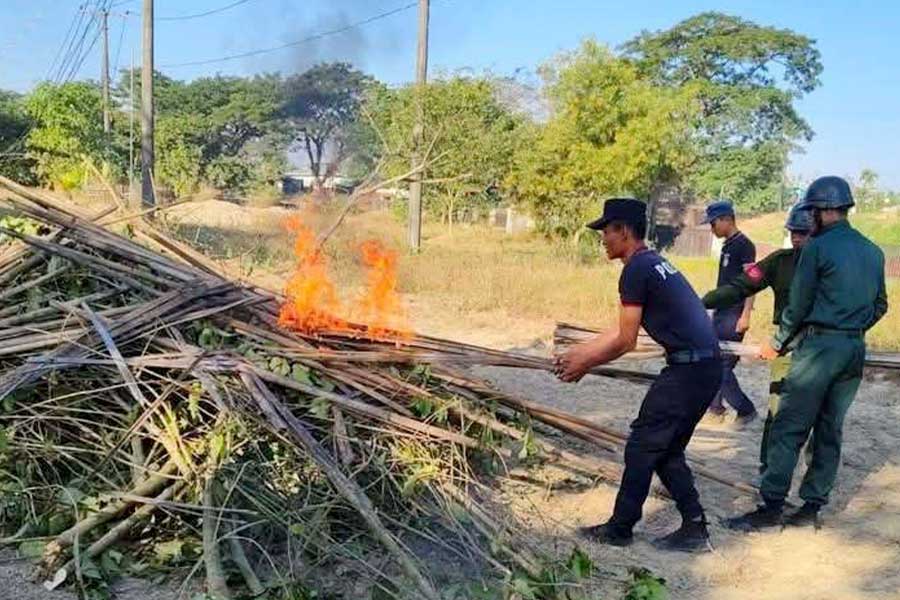
The order follows ongoing enforcement operations by the Arakan Army, the Department of Law Enforcement and Public Security (DLEPS), and local administrative officials, who have been clearing and burning kratom plantations across Arakan State.
Despite previous warnings prohibiting cultivation of the plant and cautioning that legal action would be taken against violators, reports of continued planting have led the Arakan Army to formalize a five-year prison sentence.
Residents in Kyauktaw and Ponnagyun townships told DMG that the directive has been relayed through village administrators.
“In recent days, I saw DLEPS members and village administrators entering homes to cut down kratom plants,” a female resident of Kyauktaw said. “Arakan Army officials have instructed residents to stop growing these plants, and village officials warned that anyone who replants them will face a five-year prison term.”
Mitragyna speciosa is widely cultivated in townships including Ponnagyun, Kyauktaw and Buthidaung, and its use is common in Kyauktaw and Ponnagyun.
According to local reports, restaurants and bars in areas under Arakan Army control have been selling kratom extract in a manner similar to alcohol, contributing to high consumption rates.
Health experts warn that long-term use of kratom as a narcotic can pose serious health risks, including memory loss, depression and cancer.
A resident of Ponnagyun welcomed the stricter enforcement.
“I support the move to stop the cultivation of these trees. Only by completely curbing this can we protect our youth, who are increasingly falling into drug addiction. We have seen bans before, but planting and usage continued. I hope that prison sentences will be more effective,” the resident said.
While Mitragyna speciosa is classified as a narcotic and banned in Myanmar, it remains legal in neighboring Thailand.
Local youths in Arakan State say limited access to employment and education has led some to turn to such substances. Reports also indicate a rise in marijuana use among young people in the state in recent years.

Top News
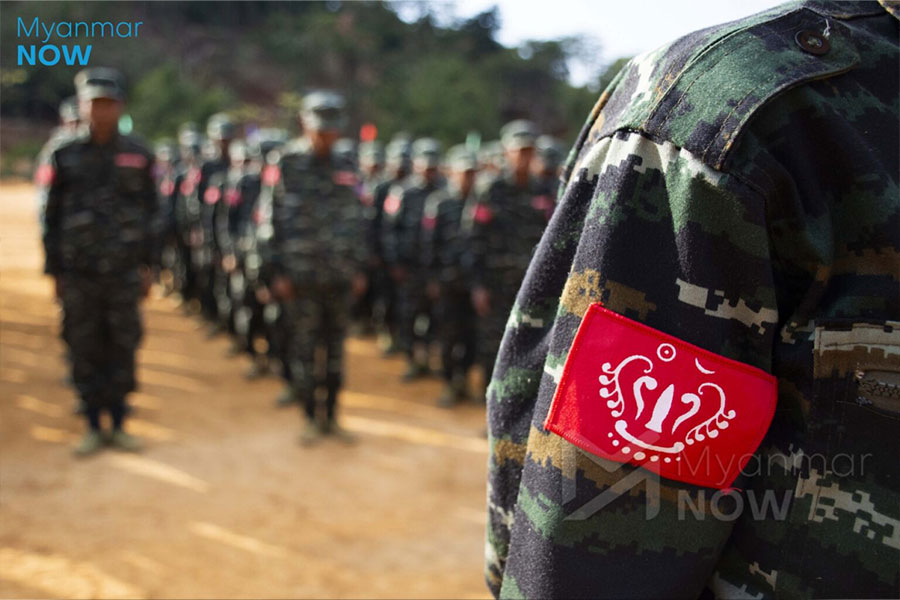
ULA/AA faces governance challenges as it consolidates control in Arakan: ISP-Myanmar
By Admin 30 Sep 2026
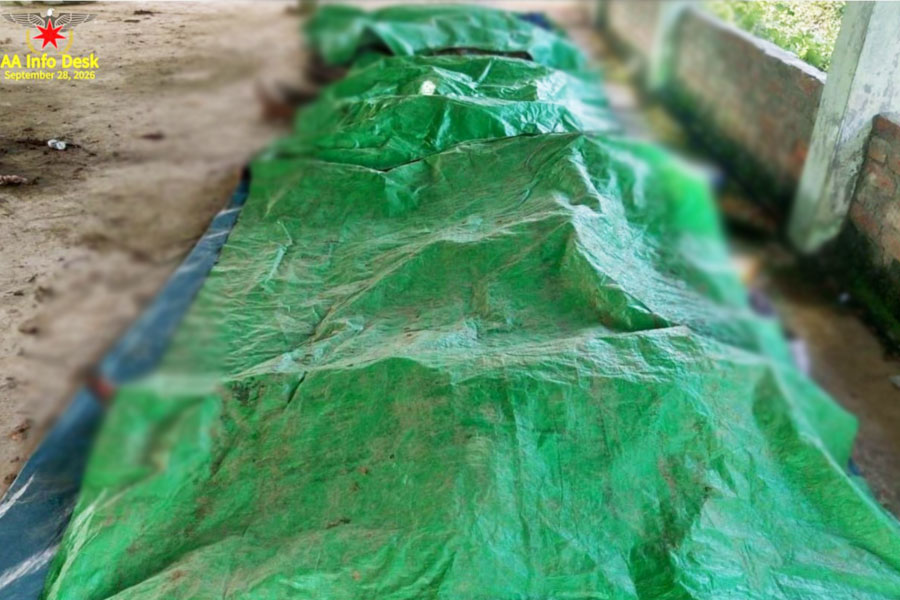
Death toll from Kyauktaw airstrike rises to 50
By Admin 29 Sep 2026
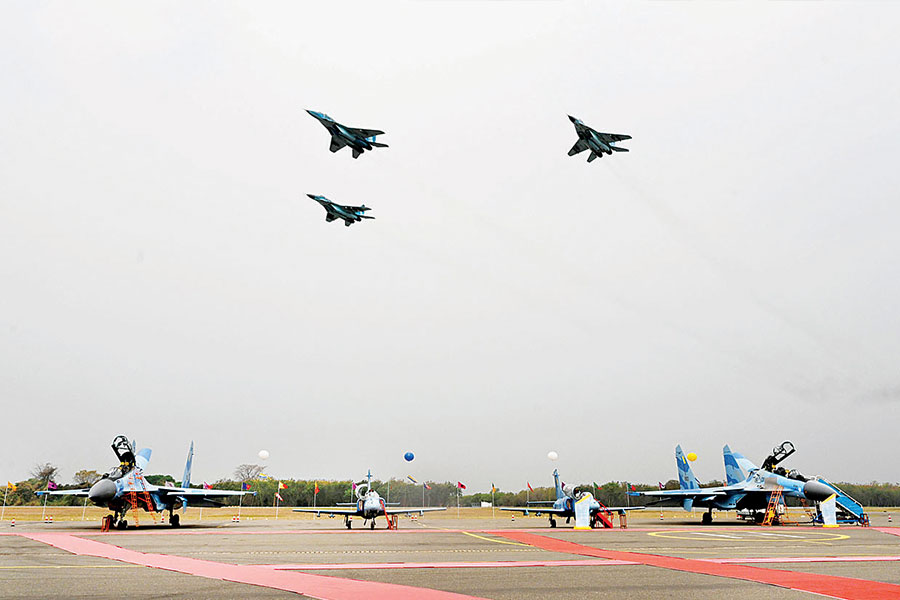
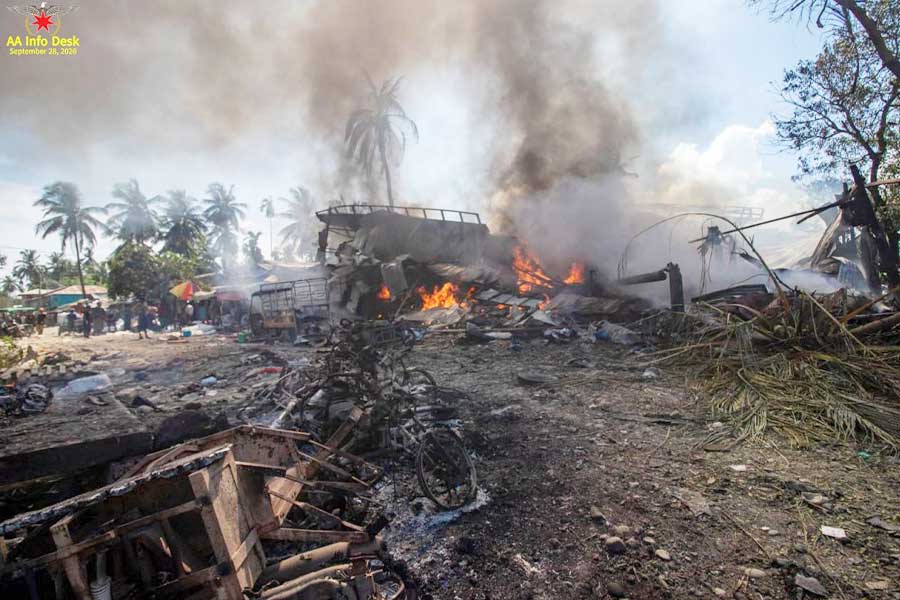
Junta airstrikes on four Arakan townships leave more than 100 civilian casualties
By Admin 29 Sep 2026
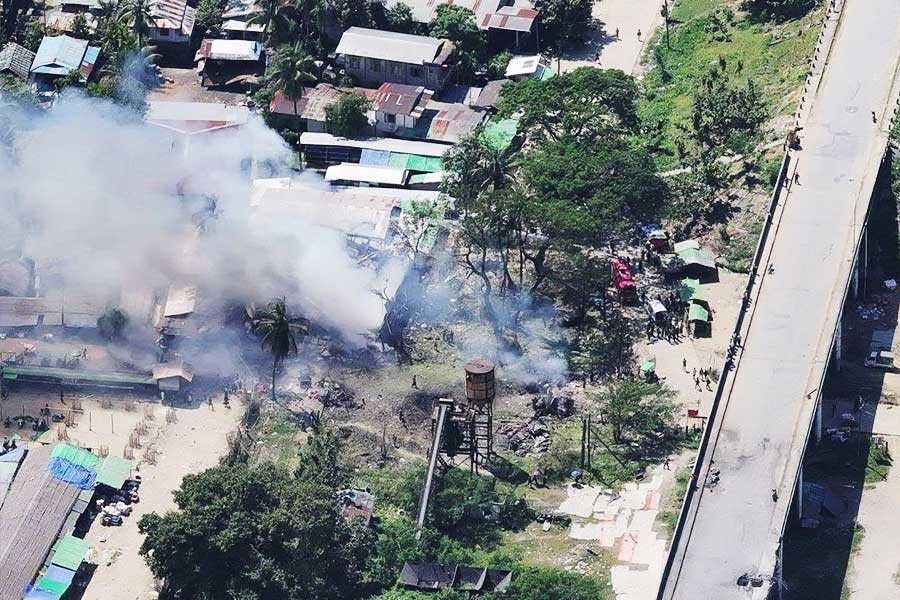
APHR calls for accountability over junta airstrikes on Kyauktaw
By Admin 29 Sep 2026