
- Y-12 aircraft, drones circle over Sittwe as clashes intensify
- Panic grips Sittwe after deadly reported Y-12 airstrike
- At least six killed, 37 injured in reported Y-12 bombing of downtown Sittwe
- Junta column heading toward Kyindwe suffers heavy casualties in resistance ambushes
- Junta replaces Arakan State security minister amid escalating battles near Sittwe
Arakanese political parties face criticism over silence on Kyauktaw mass killing
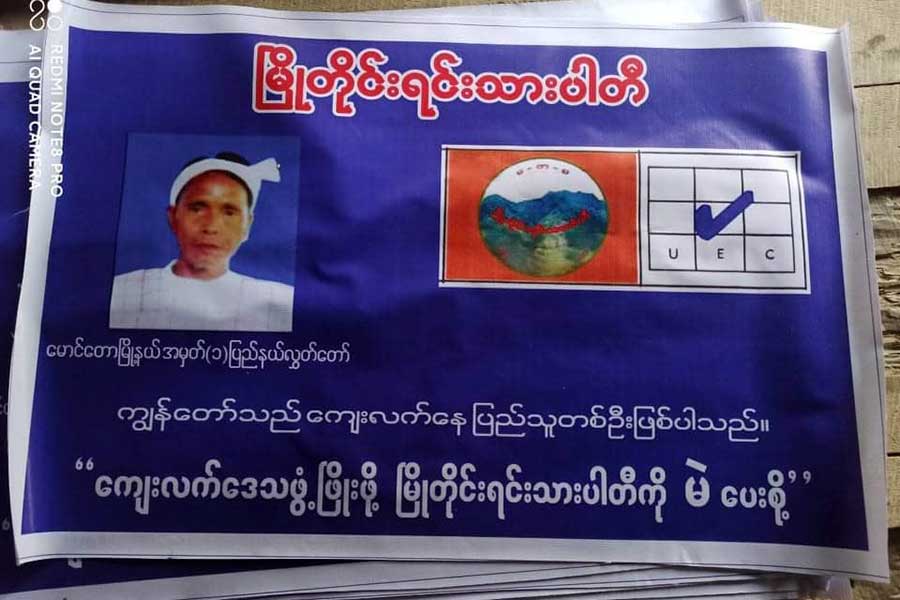
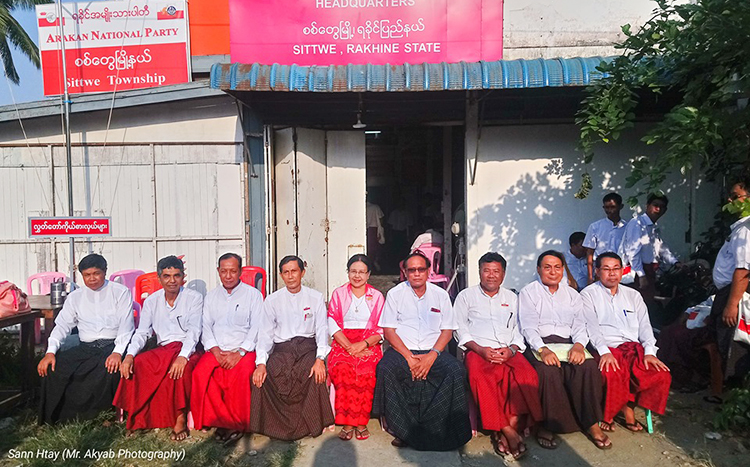
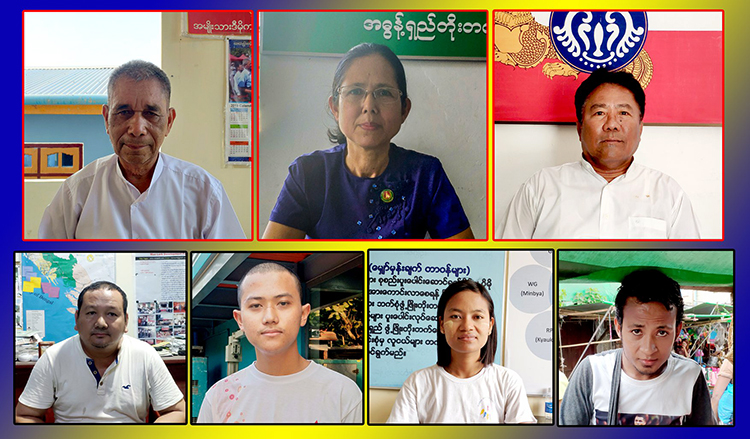
Arakanese political parties and lawmakers participating in the military regime's political system have faced criticism for failing to submit parliamentary motions, issue condolence statements, or publicly protest the junta bombing of India Market and the Kissapanadi Bridge in Kyauktaw Town, Arakan State.
03 Oct 2026
DMG Newsroom
3 October 2026, Kyauktaw
Arakanese political parties and lawmakers participating in the military regime's political system have faced criticism for failing to submit parliamentary motions, issue condolence statements, or publicly protest the junta bombing of India Market and the Kissapanadi Bridge in Kyauktaw Town, Arakan State.
Politicians elected through the regime's electoral process have a responsibility, according to critics, to demand an end to aerial bombardments across Arakan State and advocate for civilian protection.
However, critics say Arakanese politicians currently serving in regime institutions have remained silent over civilian casualties from the attack, accusing them of serving the interests of the military regime rather than representing the Arakanese people.
U Myo Kyaw, General Secretary of the Arakan League for Democracy, said the current parliament operating under the military regime in Arakan State lacks political legitimacy.
"The parliament currently operating in Arakan State is a fake parliament," U Myo Kyaw said. "When representatives take seats representing 17 townships despite voting occurring in only three townships, political legitimacy is completely destroyed."
"Their total silence shows that they are collaborators aligned with the military regime," U Myo Kyaw added. "They do not represent the public but merely sit in parliament to serve the interests of the military junta."
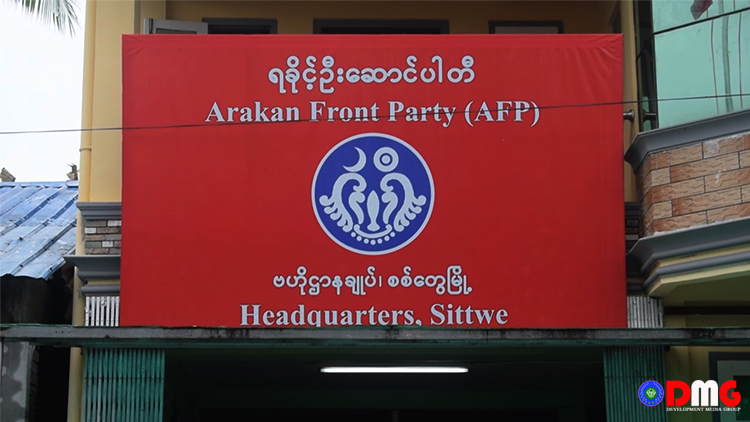
Arakanese lawmakers associated with the regime's political system include members of Dr. Aye Maung's Arakan Front Party, U Ba Shein's Rakhine Nationalities Party, and Arakanese representatives from the Union Solidarity and Development Party.
Critics accuse these politicians and lawmakers of failing to condemn or submit parliamentary motions regarding alleged war crimes and crimes against humanity committed by the military regime across Arakan State.
Local residents have also criticized the political figures for campaigning on promises to serve the Arakanese people while failing to speak out during civilian crises.
Arakanese politician Ko Wai Hun Aung said these parties were established for self-interest rather than public service, accusing them of helping prolong the rule of former junta leader Min Aung Hlaing.
"These parties were not founded to serve the people of Arakan State," Ko Wai Hun Aung said. "They are parties built for personal gain. They call themselves politicians, but in reality, they are junta bootlickers supporting Min Aung Hlaing to sustain military rule."
Certain Arakanese political leaders maintaining ties with the military continue to criticize the national revolution led by the Arakan Army while making statements supporting the military regime, according to local political observers.
Furthermore, former regime advisor Daw Aye Nu Sein, former minister U Zaw Aye Maung, and Ethnic Affairs Minister U Than Maung have remained silent over the bombing, according to the report.
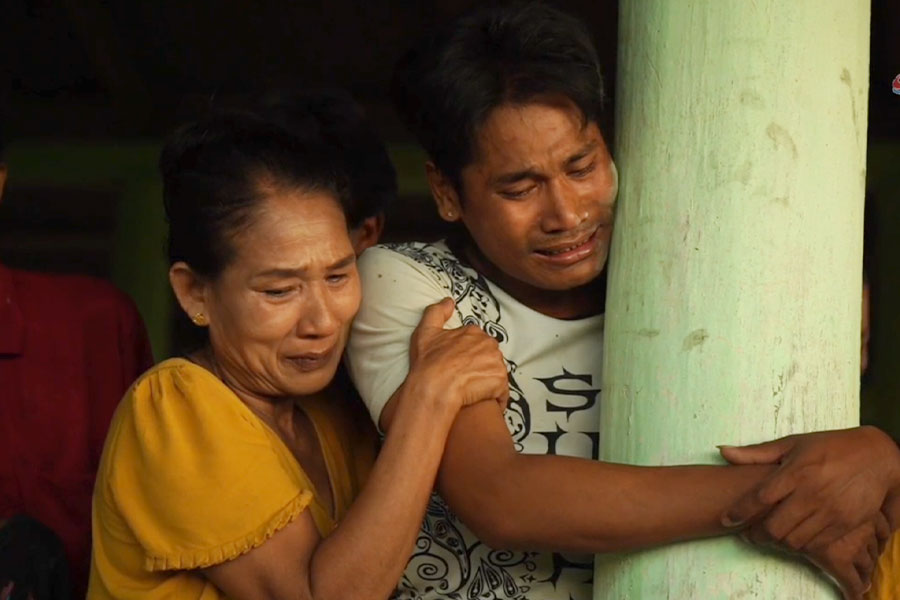
The September 28 bombing of India Market and the area around the Kissapanadi Bridge in Kyauktaw Town killed 50 civilians and injured 58 others, according to local rescue officials and Arakan Army sources.
The attack has been described in independent reporting as one of the deadliest military attacks on civilians in Arakan State.

Top News
Y-12 aircraft, drones circle over Sittwe as clashes intensify
By Admin 23 Oct 2026
Panic grips Sittwe after deadly reported Y-12 airstrike
By Admin 23 Oct 2026
At least six killed, 37 injured in reported Y-12 bombing of downtown Sittwe
By Admin 23 Oct 2026
Fighting continues on Ngapyi Island as junta troops remain trapped
By Admin 22 Oct 2026
Junta allows Aung San Suu Kyi to speak with son for first time in over five years
By Admin 22 Oct 2026