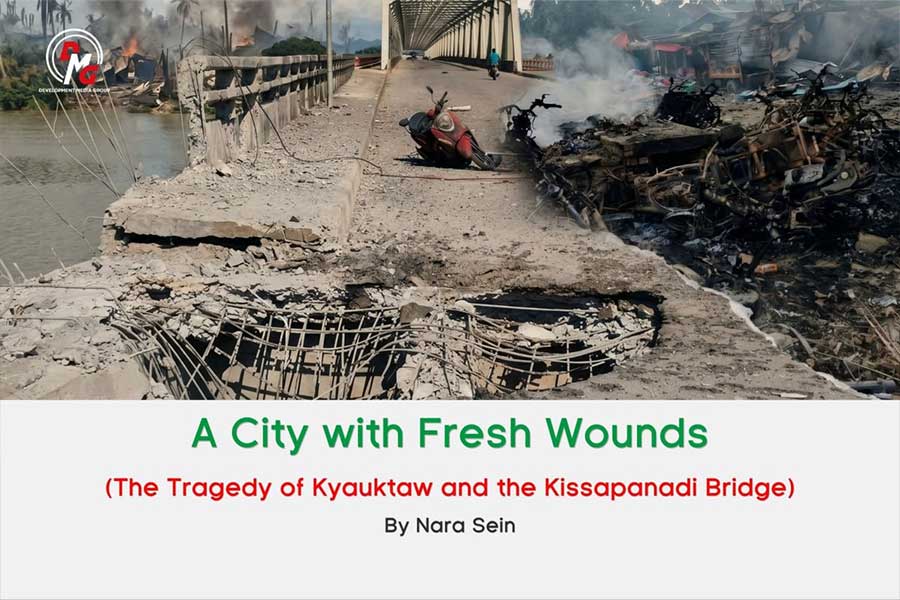

- Kyauktaw market closure disrupts trade and drives up prices across Arakan
- Arakan has Myanmar’s highest multidimensional poverty, 1.66 million affected: UNDP
- Arakan records most armed incidents, second-highest civilian casualty toll in Myanmar: NLTA
- Junta fails to regain territory despite major Arakan offensive: ISP-Myanmar
- Two Myebon fishermen missing after junta troops throw fishermen into sea
Analysts weigh implications of Myanmar regime’s talks with Indian Navy chief
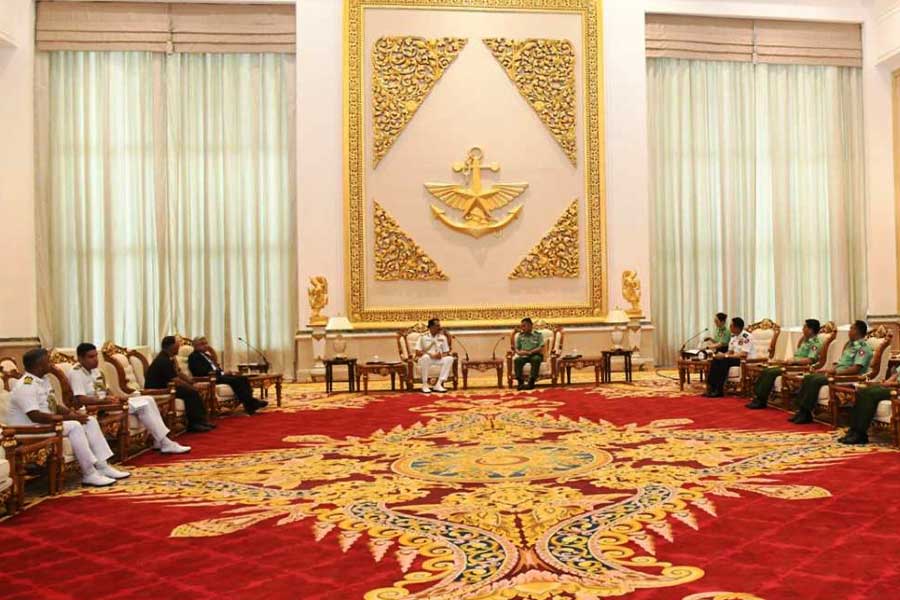
The meeting was attended by the Indian Ambassador to Myanmar, H.E. Mr. Abhay Thakur, along with Colonel Jaswinder Singh Gill, Captain Manoj Kumar Pandey, and other officials.
06 May 2026
DMG Newsroom
6 May 2026, Nay Pyi Taw
Myanmar’s new military chief, General Ye Win Oo, met with Indian Navy Chief Admiral Dinesh Kumar Tripathi in Nay Pyi Taw on May 4.
The meeting was attended by the Indian Ambassador to Myanmar, H.E. Mr. Abhay Thakur, along with Colonel Jaswinder Singh Gill, Captain Manoj Kumar Pandey, and other officials.
According to sources, discussions focused primarily on border affairs, including measures to ensure the absence of armed forces along border regions between the two countries.
Commenting on the potential implications, Captain Zin Yaw, a participant in the Civil Disobedience Movement, said the arrangement could have wider military consequences.
“If armed forces are required to withdraw from the border, the Myanmar military may use this as a pretext to conduct clearance operations in Arakan and Chin states, particularly in the Paletwa area. It is also possible that Indian naval vessels could gain docking access at Sittwe and near the Kaladan project area as part of a broader arrangement,” he said.
He added that the longstanding relationship between the Indian and Myanmar militaries could influence developments along the border. “If resistance forces remain active, the military may cite border security concerns to justify airstrikes or ground offensives,” he said.
In a statement, the regime said the meeting aimed to strengthen bilateral ties, enhance cooperation, and promote closer military relations.
However, some political observers described the meeting as routine.
Political analyst Wai Hun Aung said discussions on border stability, narcotics, and transnational issues are standard and unlikely to significantly affect Myanmar’s political situation.
“The military controls limited territory along the Indian border, with many areas held by ethnic resistance groups. This appears to be a continuation of regular engagement rather than a major shift,” he said.
The two sides also discussed maritime trade, training programs, capacity building, and cooperation in joint exercises.
Some analysts believe the regime is seeking closer ties with India to bolster its international standing following its recent election.
A political observer in Arakan State said the regime may also aim to exert pressure on ethnic armed groups operating near the border by restricting supply routes.
“The objective appears to be limiting access to goods and increasing pressure on resistance groups and local populations,” the observer said.
Separately, two Indian naval vessels arrived at Thilawa Port in Yangon on May 4 for a goodwill visit, with more than 500 Indian naval personnel expected to remain temporarily.
Observers continue to monitor India’s engagement with Myanmar amid ongoing political and military developments.

Top News
Kyauktaw market closure disrupts trade and drives up prices across Arakan
By Admin 10 Oct 2026
Arakan has Myanmar’s highest multidimensional poverty, 1.66 million affected: UNDP
By Admin 10 Oct 2026
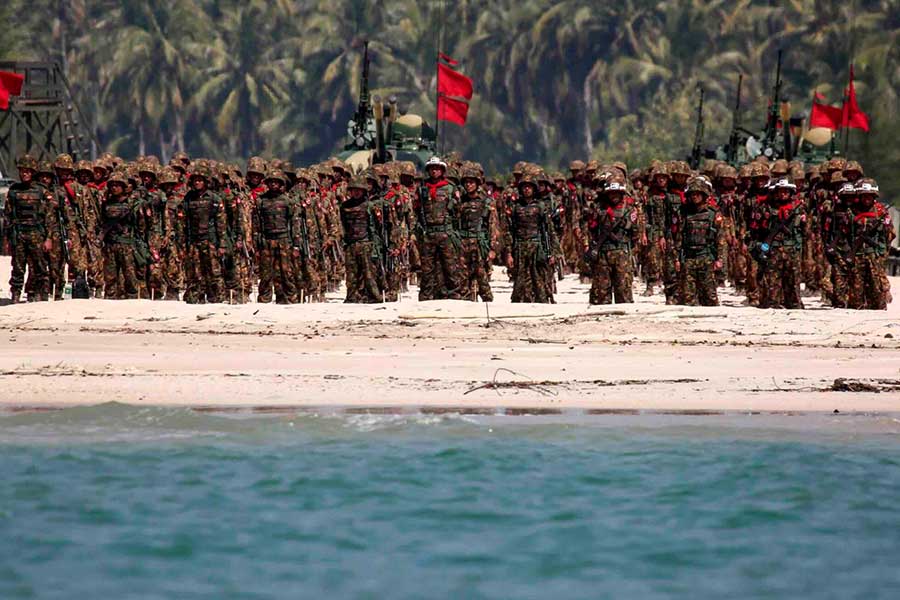
Junta fails to regain territory despite major Arakan offensive: ISP-Myanmar
By Admin 10 Oct 2026
Clashes intensify near Taung Maw Oo naval station as Arakan Army launches offensive
By Admin 09 Oct 2026