
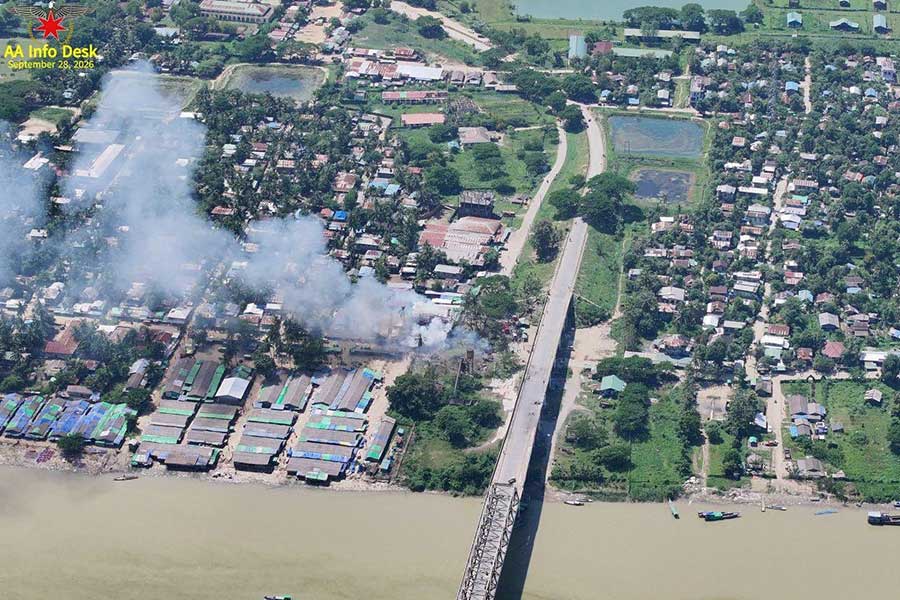
- Kyauktaw market closure disrupts trade and drives up prices across Arakan
- Arakan has Myanmar’s highest multidimensional poverty, 1.66 million affected: UNDP
- Arakan records most armed incidents, second-highest civilian casualty toll in Myanmar: NLTA
- Junta fails to regain territory despite major Arakan offensive: ISP-Myanmar
- Two Myebon fishermen missing after junta troops throw fishermen into sea
Ethnic Thet community plays growing role in Arakan State rebuilding process
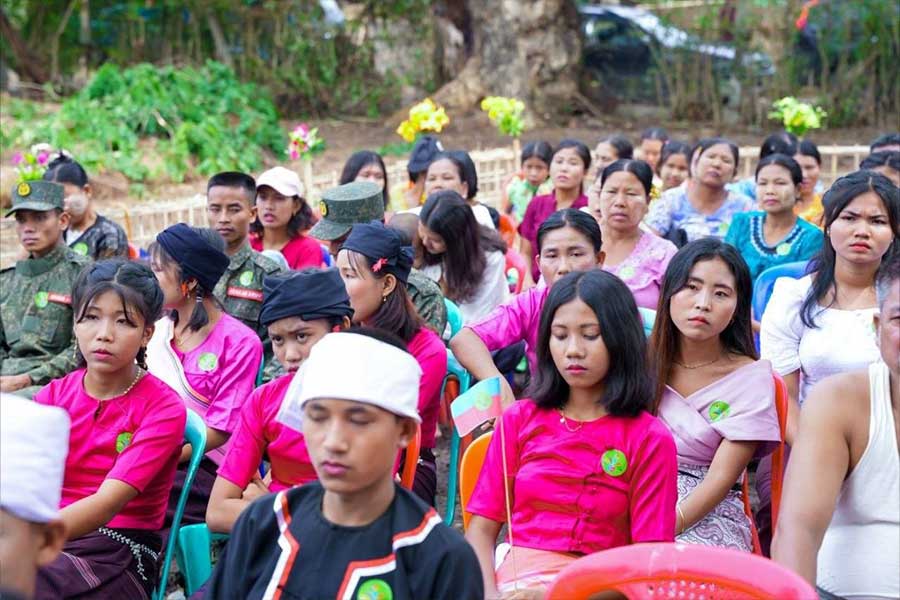
Participation from the ethnic Thet community, one of the ethnic groups in Arakan State, is increasing in the ongoing rebuilding process across the region, according to members of the community.
09 May 2026
DMG Newsroom
9 May 2026, Kyauktaw
Participation from the ethnic Thet community, one of the ethnic groups in Arakan State, is increasing in the ongoing rebuilding process across the region, according to members of the community.
Ethnic Thet residents said many people are now contributing to various sectors under the Arakan Army and the United League of Arakan, including education, healthcare, social services, taxation, and agriculture.
Community members stated that alongside the rebuilding efforts in Arakan State, the ethnic Thet people are also witnessing improvements in healthcare and education while gaining greater opportunities to preserve their identity and culture.
“There is support to freely practice and preserve our traditional culture. We are also allowed to make decisions regarding our own ethnic affairs. At the same time, healthcare, education, and social development activities are being implemented,” a community member said.
The ethnic Thet population is among the smallest ethnic communities in Arakan State, with an estimated population of only 3,000 to 4,000 people.
Due to migration and population decline over the years, the community has faced growing challenges in preserving its identity, traditions, and culture.
While acknowledging the importance of participating in the Arakan revolution and military service, ethnic Thet representatives said their small population size should be taken into consideration in matters related to human resources.
“We understand that this is a revolutionary period. However, because the ethnic Thet population is very small, we want certain considerations to be made for our community. If these concerns are addressed, cooperation will become even stronger in the future. Applying the same standard to everyone can create difficulties for minority groups like ours,” said ethnic Thet youth activist Ko Pan Kyaw Du.
The Arakan Army, which controls most of Arakan State, is currently operating administrative and judicial mechanisms in areas under its control while continuing broader state building efforts.
At the same time, the ULA/AA is working to strengthen departments such as healthcare and education with participation from different ethnic communities living in Arakan State.
Members of the ethnic Thet community urged the United League of Arakan to continue cooperating with ethnic leaders and local community representatives to address the specific needs and challenges faced by minority groups, including the ethnic Thet people.

Top News
Kyauktaw market closure disrupts trade and drives up prices across Arakan
By Admin 10 Oct 2026
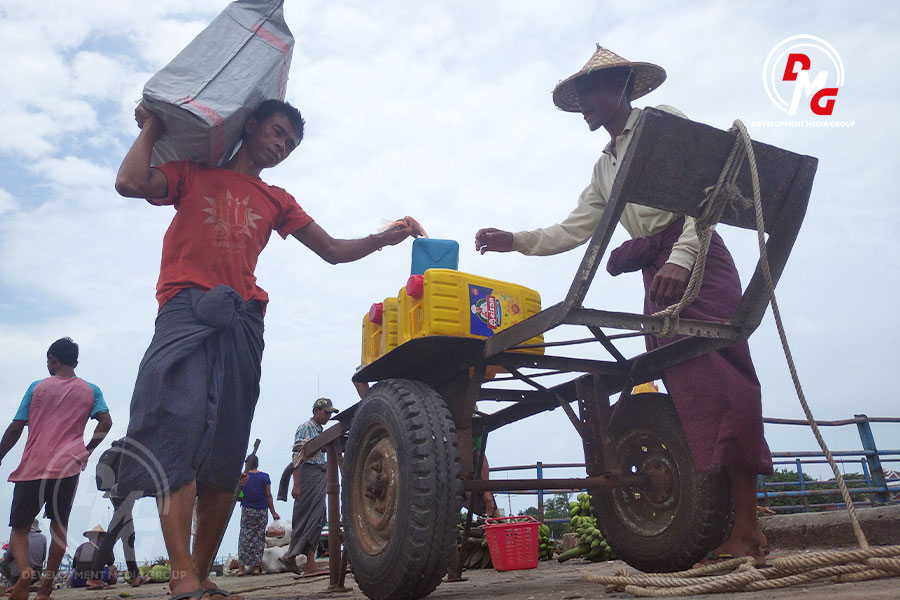
Arakan has Myanmar’s highest multidimensional poverty, 1.66 million affected: UNDP
By Admin 10 Oct 2026
Junta fails to regain territory despite major Arakan offensive: ISP-Myanmar
By Admin 10 Oct 2026
Clashes intensify near Taung Maw Oo naval station as Arakan Army launches offensive
By Admin 09 Oct 2026