
- Junta intensifies offensive against resistance-held territory in strategic Sagaing town
- Fighting escalates in Sittwe as Arakan Army captures junta outposts
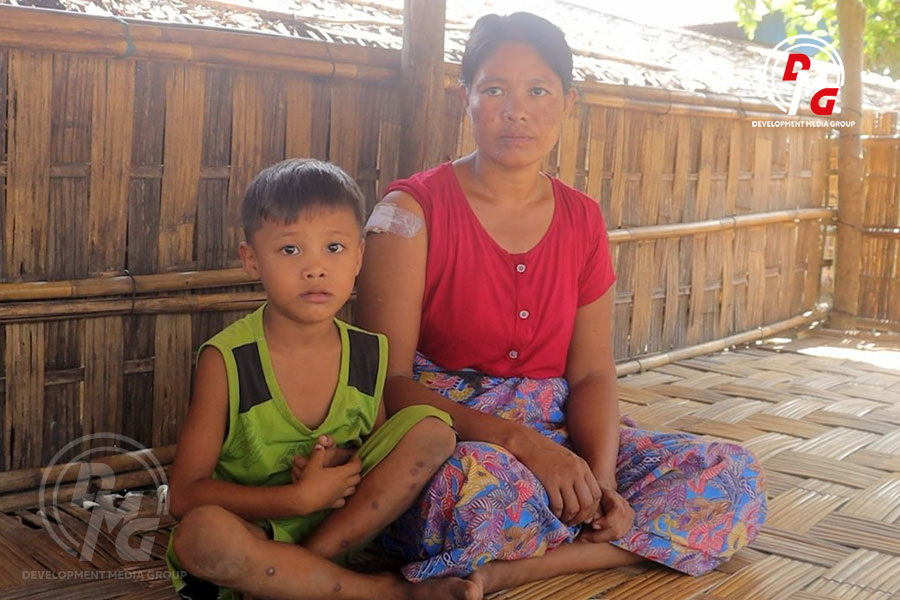
- Survivors of deadly Kyauktaw airstrike urgently need medical, humanitarian aid
- Junta seeks foothold on strategic island in Kaladan River as Arakan Army counterattacks
- Begging nearly doubles amid livelihood crisis in southern Arakan
Fighting escalates in Sittwe as Arakan Army captures junta outposts
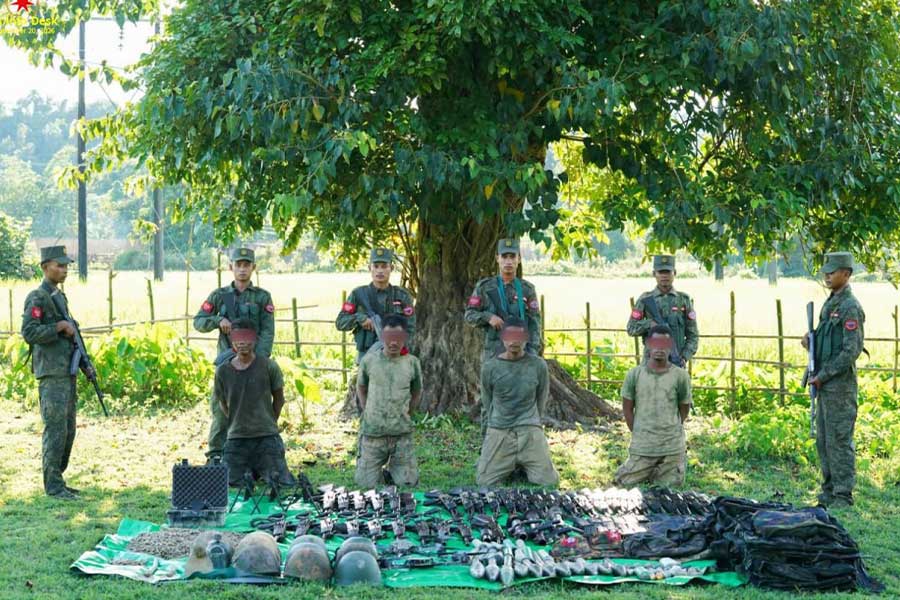
Fierce clashes have erupted in and around Sittwe, Arakan State, between the military junta and the Arakan Army (AA), with the ethnic Arakanese armed group capturing multiple military outposts near Amyint Kyun and Pardaleik villages, according to local sources.
13 Oct 2026
DMG Newsroom
13 October 2026, Sittwe
Fierce clashes have erupted in and around Sittwe, Arakan State, between the military junta and the Arakan Army (AA), with the ethnic Arakanese armed group capturing multiple military outposts near Amyint Kyun and Pardaleik villages, according to local sources.
In early October, the Arakan Army advanced past Minchaung Bridge in Sittwe Township and launched sustained offensives against junta positions in Amyint Kyun Village.
"Arakan Army members crossed Minchaung Bridge and surrounded Amyint Kyun Village," said a local source familiar with the military situation. "We understand they have already overrun two outpost positions defending the village. They have also captured frontline security outposts along the route connecting Amyint Kyun Village to Pardaleik Village."
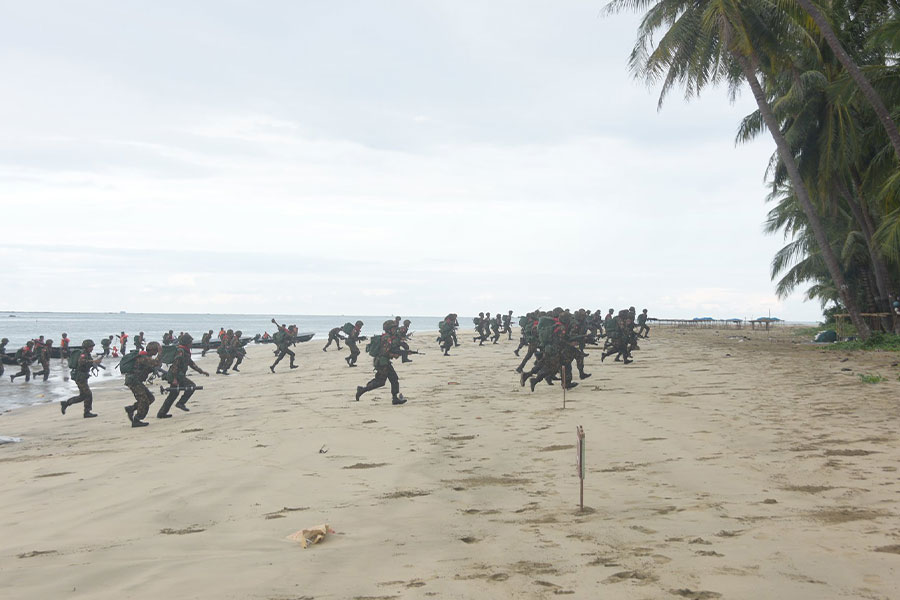
The fighting has intensified following the junta's attempted offensive on Ngapyi Island, which began on October 7. Ground combat is now being accompanied by heavy artillery fire and drone strikes from both sides.
Meanwhile, junta battalions in Pardaleik Village have been shelling nearby areas, including Kuntaung and Tabethlwan villages in Ponnagyun Township.
"Junta troops still maintain a presence inside Amyint Kyun Village, primarily occupying the police station and the village monastery, but the outposts stationed in front of them have been captured," the source added. "As of now, junta units in Pardaleik Village continue to fire heavy artillery barrages."
The military junta's Operation 4926 offensive along the Sittwe and Ponnagyun border suffered heavy casualties and a strategic collapse following resolute counteroffensives by the Arakan Army.
However, the Arakan Army launched renewed counteroffensives in early October, pushing the intensity of fighting to an unprecedented peak.
Military and local sources said the Arakan Army had advanced past Wahbo Village toward the vicinity of Kyarmathauk Village in Sittwe Township, while parallel clashes had spread across Gantgaw Island toward the outskirts of the Regional Operations Command in Sittwe.
A Sittwe resident described the tense atmosphere in the Arakan State capital: "In recent days, military aircraft have been flying extremely low, at the height of toddy palm and coconut trees, with deafening roars, making it impossible to sleep. Inside the city, military aircraft are constantly taking off and landing."
Meanwhile, local residents reported that heavy fighting continued on Ngapyi Island in Werathani Township, near Sittwe's Shwe Min Gan Naval Base, where junta forces were making repeated attempts to land amphibiously.
"Right now, junta forces have neither managed to successfully land nor seize control of Ngapyi Island entirely," a local resident said. "The regime is providing heavy artillery support from Sittwe and carrying out continuous airstrikes, so sporadic fighting along the shoreline is ongoing."
While intense battles continue on the Ngapyi Island front, the Arakan Army has also launched offensives against junta positions at the Sittwe approaches near Amyint Kyun and Pardaleik villages, capturing key military positions.
Similarly, Arakan Army combatants launched direct attacks in the immediate vicinity of the Regional Operations Command in Sittwe starting yesterday.
The Institute for Strategy and Policy - Myanmar (ISP-Myanmar) has assessed that, because the Arakan front remains vital to the regime's political prestige and strategic survival, military tactics there differ significantly from those used in conflicts in other regions and are likely to become increasingly brutal.

Top News
Fighting escalates in Sittwe as Arakan Army captures junta outposts
By Admin 13 Oct 2026
Survivors of deadly Kyauktaw airstrike urgently need medical, humanitarian aid
By Admin 13 Oct 2026
Fighting, airstrikes deepen humanitarian crisis in Myanmar’s Arakan: CAS report
By Admin 12 Oct 2026