
- At least five injured in junta Y-12 airstrikes on Werathani villages
- Junta orders Sittwe residents to dismantle home bomb shelters
- Arakan records most armed incidents as 78 civilians killed across Myanmar: NLTA
- Y-12 aircraft, drones circle over Sittwe as clashes intensify
- Panic grips Sittwe after deadly reported Y-12 airstrike
FPNCC members hold consecutive meetings with military junta
Captain Zin Yaw, a military defector, assessed that the military junta might grant concessions to the demands of the ethnic armed organizations it meets with, subsequently leveraging those agreements to exert pressure on other ethnic armed forces and revolutionary groups.
15 Aug 2026
DMG Newsroom
15 August 2026, Nay Pyi Taw
Consecutive meetings and peace talks are taking place in Nay Pyi Taw between members of the Federal Political Negotiation and Consultative Committee (FPNCC) and the military junta, while analysts note that the arrival of Nippon Foundation Chairman Yohei Sasakawa in Nay Pyi Taw could also affect the revolution.
The series of meetings in Nay Pyi Taw followed a visit to northern Shan State last June by General Yar Pyae, chairman of the junta's National Solidarity and Peacemaking Negotiation Committee (NSPNC), who personally lobbied several FPNCC members.
Among FPNCC member organizations, the United Wa State Army (UWSA), National Democratic Alliance Army (NDAA), Ta'ang National Liberation Army (TNLA) and Shan State Progress Party (SSPP) traveled to Nay Pyi Taw in July and August to hold peace talks with the military junta, presenting their respective demands to the regime.
After becoming president, Min Aung Hlaing issued a peace invitation as part of his first 100-day plan. Following the rejection of the regime's offer by active revolutionary forces involved in clashes, the military junta turned to engaging ceasefire groups within the FPNCC in northern Shan State.
Captain Zin Yaw, a military defector, assessed that the military junta might grant concessions to the demands of the ethnic armed organizations it meets with, subsequently leveraging those agreements to exert pressure on other ethnic armed forces and revolutionary groups.
"The regime will inevitably have to concede to what the ethnic groups demand. Under these circumstances, the Spring Revolution emerged from the coup. Unlike past coups, armed resistance has proven effective this time, bringing the regime to the brink of collapse. Because of this, the military appears poised to first secure ceasefires with ethnic forces before launching offensives against the Spring Revolution as well as Kachin and Chin states," he said.
Currently, the UWSA and TNLA, which have met with the military junta, are demanding statehood status for their controlled territories, while the NDAA has requested that its region be designated a special autonomous region.
In addition to the four organizations currently meeting with the regime, the FPNCC includes the Myanmar National Democratic Alliance Army (MNDAA), Arakan Army and Kachin Independence Army (KIA), with the AA and KIA remaining engaged in active fighting against the military junta.
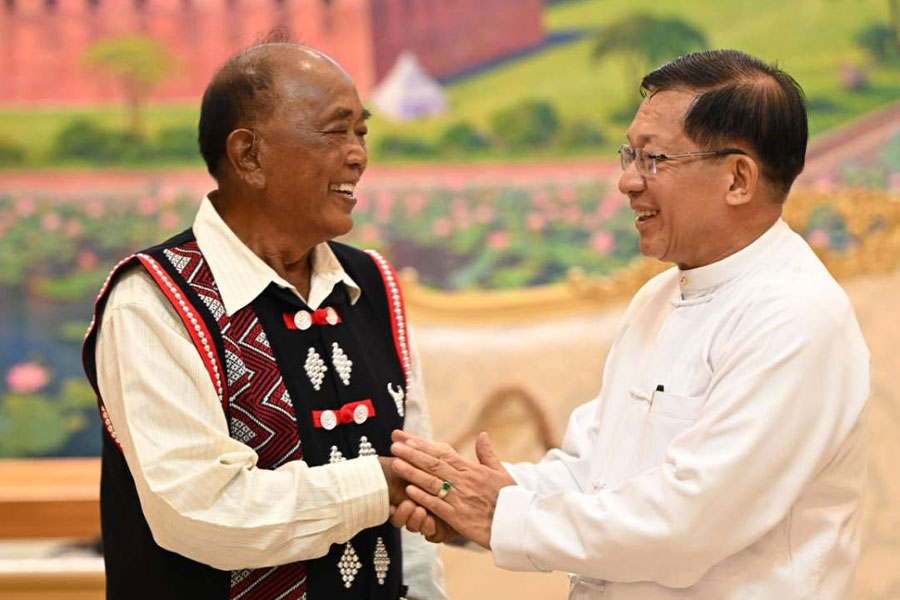
Meanwhile, Yohei Sasakawa, chairman of the Nippon Foundation, arrived in Myanmar and met with former military chief Min Aung Hlaing in Nay Pyi Taw on August 10.
Although Sasakawa's visit is framed around humanitarian assistance, analysts suggest discussions may also cover potential ceasefire arrangements involving the AA, KIA and the military regime.
Political analyst Dr. Sai Kyi Zin Soe said, "Sasakawa has a pre-existing relationship with the Arakan Army. Currently, there are people suffering from natural disasters in Arakan State. It can be anticipated that he might resume providing humanitarian aid and support in response. It is also expected that ceasefire topics will be raised during meetings, and he will likely urge efforts toward securing ceasefires with the Arakan Army and Kachin Independence Army."
Sasakawa previously brokered ceasefires between the Arakan Army and the military in 2020 and 2022, leading to temporary halts in fighting between both sides.
Dr. Sai Kyi Zin Soe added that the military junta may attempt to utilize these engagements to bring all FPNCC members into a broader ceasefire agreement.
"Groups currently meeting under the FPNCC banner can be expected to try moving the entire FPNCC toward a negotiation pathway. The current format likely aims to involve all members eventually," Dr. Sai Kyi Zin Soe said.
He further noted that the military junta might step up negotiations to bring FPNCC members onto the Nationwide Ceasefire Agreement (NCA) track.
Currently, the military junta is also holding consecutive meetings with members of its political dialogue partner, the 7 EAO Alliance, as self-appointed President Min Aung Hlaing attempts to demonstrate the success of his administration's peace process, analysts said.

Top News
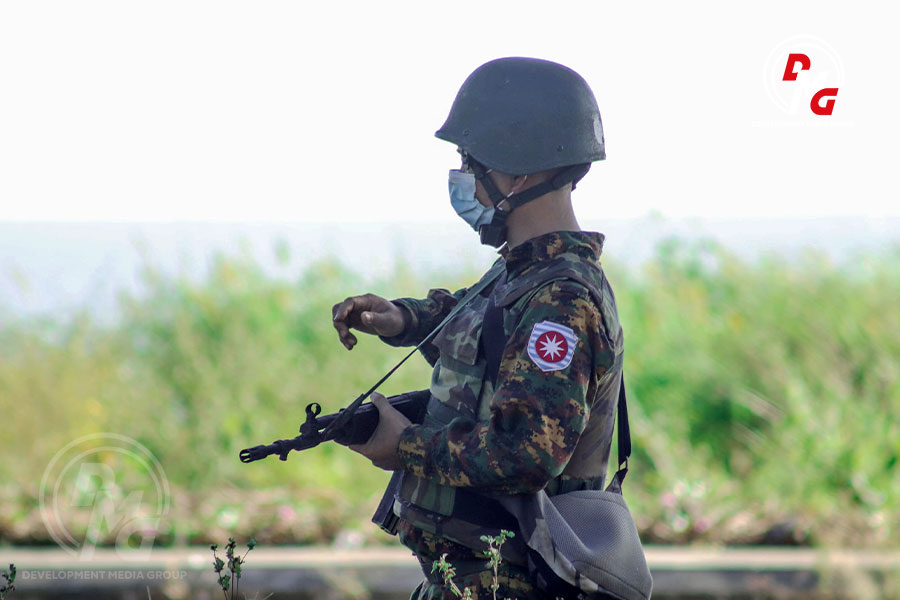
At least five injured in junta Y-12 airstrikes on Werathani villages
By Admin 24 Oct 2026
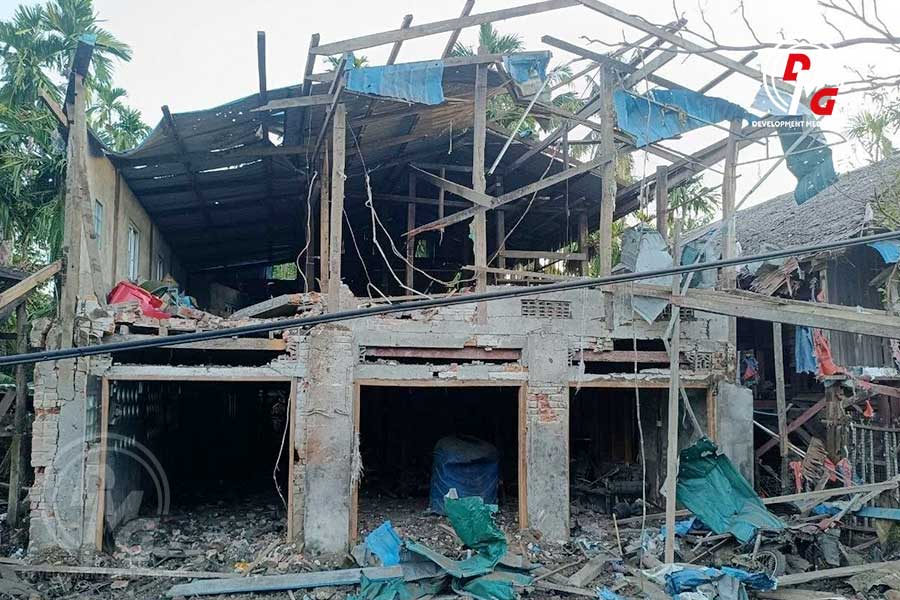
Junta orders Sittwe residents to dismantle home bomb shelters
By Admin 24 Oct 2026
Arakan records most armed incidents as 78 civilians killed across Myanmar: NLTA
By Admin 24 Oct 2026
Woman killed, two injured in junta airstrike on Ponnagyun Twsp village
By Admin 23 Oct 2026
Y-12 aircraft, drones circle over Sittwe as clashes intensify
By Admin 23 Oct 2026