
- High airfares leave low-income families stranded in blockaded Sittwe
- MSF rrges civilian protection after Sittwe shelling kills two, injures 17
- ULA warns Arakan residents of airstrike risks during Thadingyut festival
- Months-long internet blackout drives up costs for residents of Thandwe and Gwa
- At least five injured in junta Y-12 airstrikes on Werathani villages
Observers say junta-sponsored election was a pre-planned move favouring USDP
Election observers stated that the junta-organized election lacked fairness and was conducted according to a predetermined plan that prioritized and favoured the Union Solidarity and Development Party (USDP).
07 Apr 2026
DMG Newsroom
7 April 2026, Mrauk-U
Election observers stated that the junta-organized election lacked fairness and was conducted according to a predetermined plan that prioritized and favoured the Union Solidarity and Development Party (USDP).
Observers noted that during the 2025 campaign period, the regime created numerous opportunities for the USDP while imposing restrictions on other parties under the pretext of security concerns.
U Sein Win, Managing Director of Mizzima Media Group, shared these remarks on April 6 during the online launch of BNI’s report titled "Voters Without Choice: Analyzing Electoral Events in Myanmar’s Ethnic Areas."
“The USDP was allowed to campaign using government-owned buildings, whereas other parties faced bans and obstacles cited as security measures. There were indeed significant security risks, as candidates themselves were concerned about campaigning in person. Regardless, those who organized and held this election without ensuring stability must be held accountable,” he said.
He further noted that since restrictions were evident during the electoral campaign period, the election is widely viewed as a pre-planned sham.
Critics pointed out that the regime's heavy reliance on advance voting and the exclusion of 35 percent of eligible voters demonstrate that the election lacks legitimacy.
Observers argued that the regime’s election law, which mandates a party membership of 100,000 and the opening of offices in at least 50 townships, sets extremely difficult standards for smaller political parties.
Ma Ah Me, Chairperson of BNI’s Media Development Committee, said, “Everyone is already aware that the 2025 sham election does not meet democratic standards. I want to emphasize that this is merely another process designed to rebrand military rule. By removing over 35 percent of eligible voters from the lists, dissolving opposition parties, and securing victory through non-transparent advance votes, they have failed to create anything beyond a thin veneer of legitimacy.”
Four years after the coup, the regime shaped this electoral landscape as a political exit strategy, conducting the election in three phases across areas under its control.
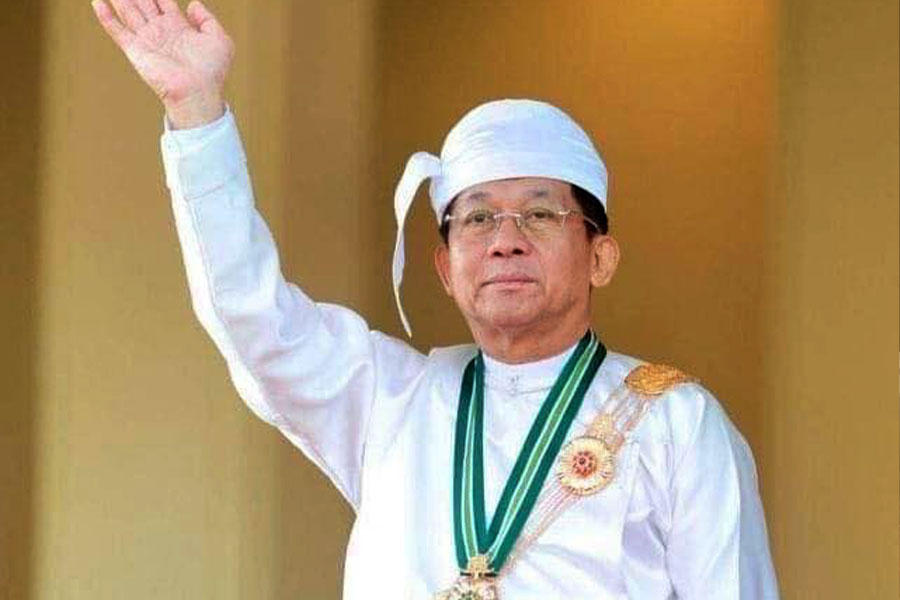
In the post-election period, junta chief Senior General Min Aung Hlaing has relinquished his role as Commander in Chief of Defence Services while continuing to hold national power as President.

Top News
High airfares leave low-income families stranded in blockaded Sittwe
By Admin 25 Oct 2026
MSF rrges civilian protection after Sittwe shelling kills two, injures 17
By Admin 25 Oct 2026
ULA warns Arakan residents of airstrike risks during Thadingyut festival
By Admin 24 Oct 2026
Months-long internet blackout drives up costs for residents of Thandwe and Gwa
By Admin 24 Oct 2026
At least five injured in junta Y-12 airstrikes on Werathani villages
By Admin 24 Oct 2026