
- High airfares leave low-income families stranded in blockaded Sittwe
- MSF rrges civilian protection after Sittwe shelling kills two, injures 17
- ULA warns Arakan residents of airstrike risks during Thadingyut festival
- Months-long internet blackout drives up costs for residents of Thandwe and Gwa
- At least five injured in junta Y-12 airstrikes on Werathani villages
RICE report says Mon state faces deepening socioeconomic, security crisis
Residents of Mon State are facing a deepening socioeconomic and security crisis amid soaring prices, fuel shortages, trade restrictions, forced military recruitment, extortion and continuing military attacks, according to a new report by the Rehmonnya Institute for Civic Engagement (RICE).
05 Oct 2026
DMG Newsroom
5 October 2026, Yangon
Residents of Mon State are facing a deepening socioeconomic and security crisis amid soaring prices, fuel shortages, trade restrictions, forced military recruitment, extortion and continuing military attacks, according to a new report by the Rehmonnya Institute for Civic Engagement (RICE).
RICE's September 2026 report said tighter restrictions on imports and inspections of Thai goods have disrupted trade, contributing to shortages and rising prices for food, medicine and other essential goods.
On September 5, authorities blocked Thai import trucks in areas bordering Mon State and seized 65 vehicles, their goods and detained drivers, according to the report. RICE said intensified inspections and seizures have since affected traders and consumers and pushed up prices of Thai products.
Fuel shortages have further strained livelihoods. Mon State previously received about 40,000 metric tonnes of fuel per month, but its allocation was reduced to 25,000 tonnes beginning in August, leaving more than 160 filling stations unable to fully meet demand, RICE said.
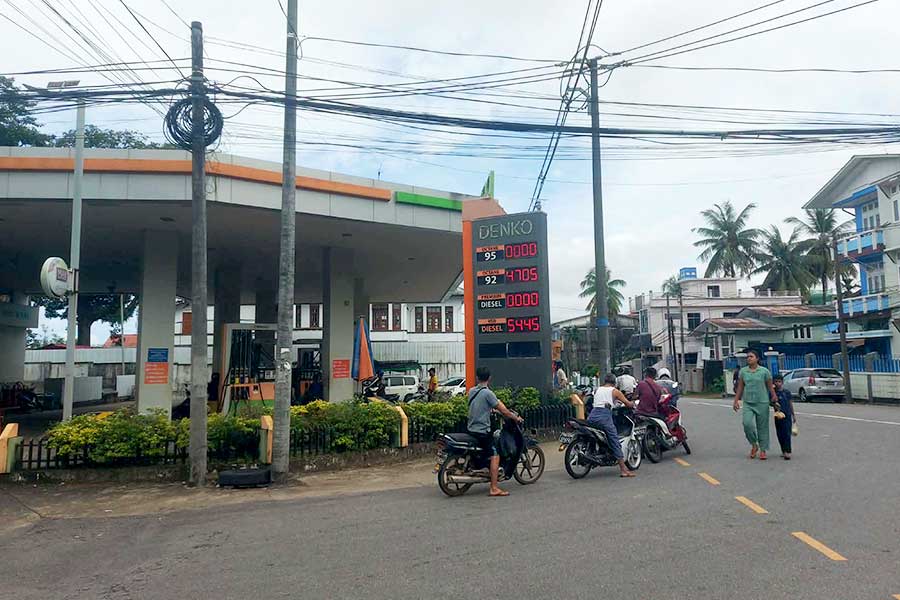
As of September 25, petrol prices in Mon State had reached 4,705 kyats per litre for 92-octane and 4,860 kyats for 95-octane, while premium diesel cost 6,020 kyats per litre, according to figures cited in the report. Farmers unable to obtain sufficient fuel through official channels have also been forced to turn to the more expensive black market.
The shortages have also hit the fisheries sector, with more than 3,000 inshore and offshore fishing boats unable to obtain fuel through official channels. RICE said higher operating costs contributed to prices of some fish varieties increasing five- to eightfold.
Beyond economic hardship, the report documented growing insecurity, including robbery, extortion and arrests linked to military recruitment.
In Mudon Township, junta soldiers, police and militia members have allegedly conducted forced recruitment since early September, with at least 10 people reportedly being detained each day in some areas. RICE said fear of arrest has sharply reduced nighttime movement, leaving streets largely deserted after 7 p.m.
The report said at least 5,800 young people from Mon State have been recruited for military service through training batches 1 to 28. Families of some detainees have allegedly been asked to pay between 10 million and 20 million kyats for their release.
RICE also documented civilian casualties from junta airstrikes, drone attacks and artillery fire in Kyaikto and Bilin townships and along the Mon State-Bago Region border during September.
At least three civilians were killed and 15 others injured, while more than 50 homes, five school buildings, a staff residence and a vehicle were damaged, according to the report.
Thousands of residents from at least 10 villages were also displaced by airstrikes and artillery attacks, while rubber plantations and other agricultural workplaces were disrupted, further affecting local livelihoods.
RICE concluded that checkpoint corruption, import restrictions, fuel rationing, forced recruitment, extortion and military attacks have combined to undermine civilian security and economic life across Mon State.

Top News
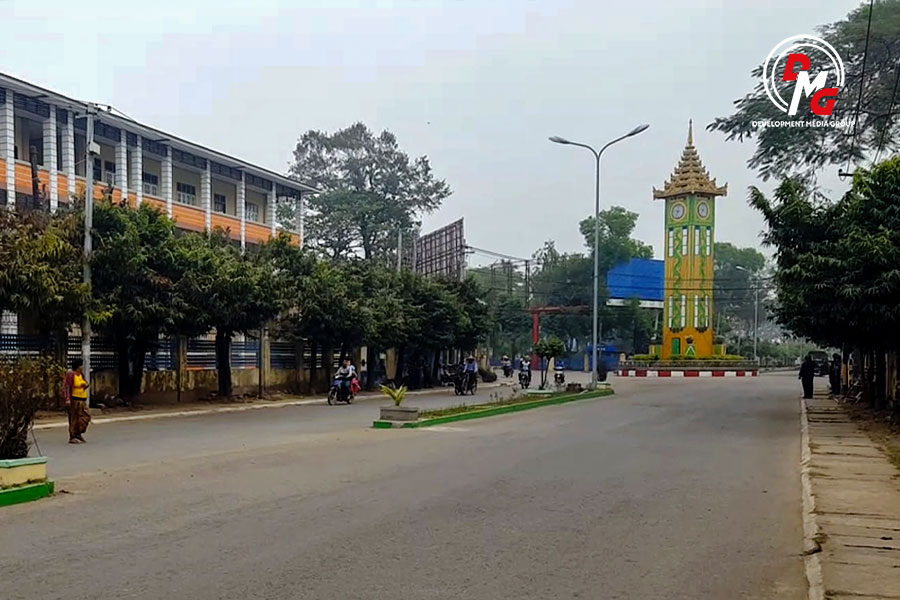
High airfares leave low-income families stranded in blockaded Sittwe
By Admin 25 Oct 2026
MSF rrges civilian protection after Sittwe shelling kills two, injures 17
By Admin 25 Oct 2026
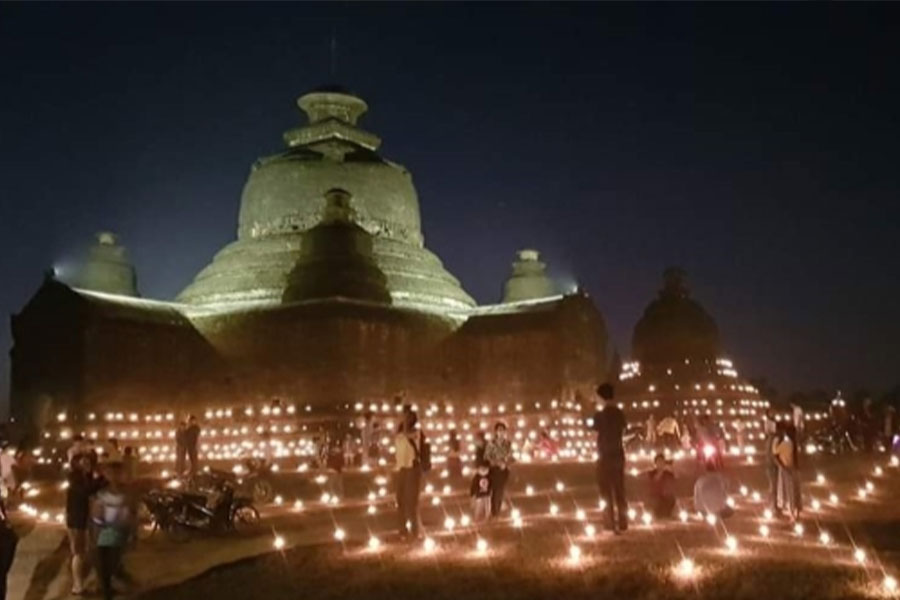
ULA warns Arakan residents of airstrike risks during Thadingyut festival
By Admin 24 Oct 2026
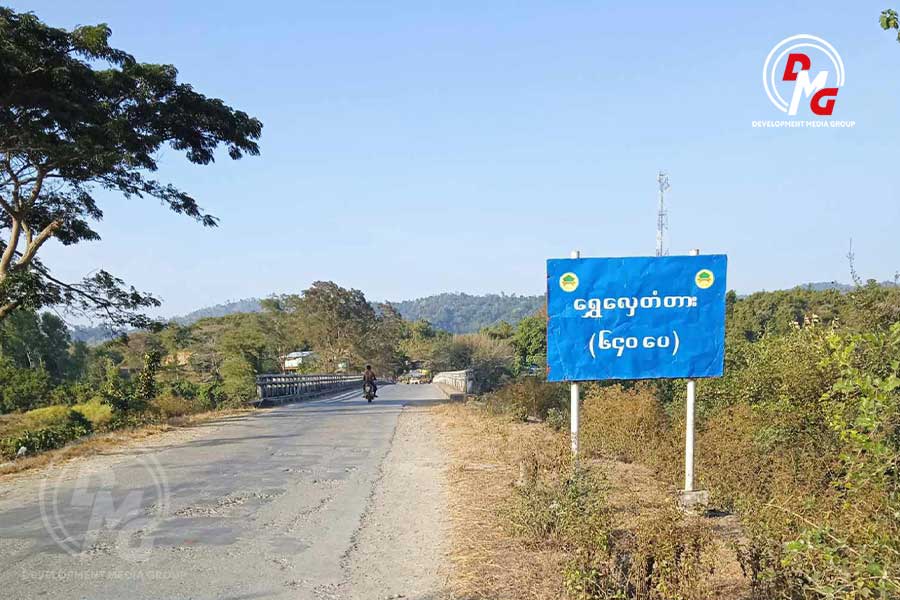
Months-long internet blackout drives up costs for residents of Thandwe and Gwa
By Admin 24 Oct 2026
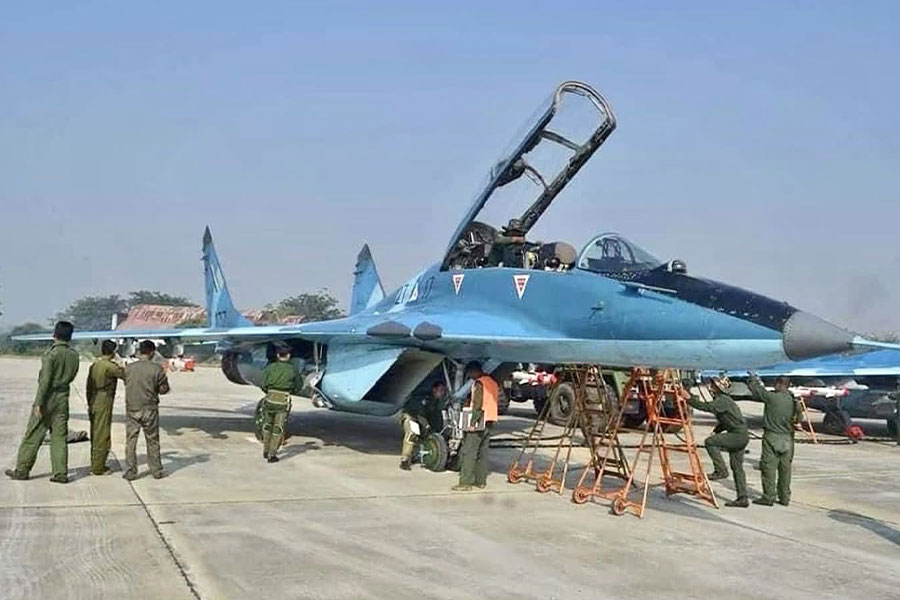
At least five injured in junta Y-12 airstrikes on Werathani villages
By Admin 24 Oct 2026