
- Y-12 aircraft, drones circle over Sittwe as clashes intensify
- Panic grips Sittwe after deadly reported Y-12 airstrike
- At least six killed, 37 injured in reported Y-12 bombing of downtown Sittwe
- Junta column heading toward Kyindwe suffers heavy casualties in resistance ambushes
- Junta replaces Arakan State security minister amid escalating battles near Sittwe
Rathedaung residents urge restoration of mobile phone and internet services amid prolonged blackout
Residents in Rathedaung Township are calling on authorities to restore mobile phone and internet services, or to provide timed public access, to ease growing socio-economic hardships.
23 Mar 2026
DMG Newsroom
23 March 2026, Rathedaung
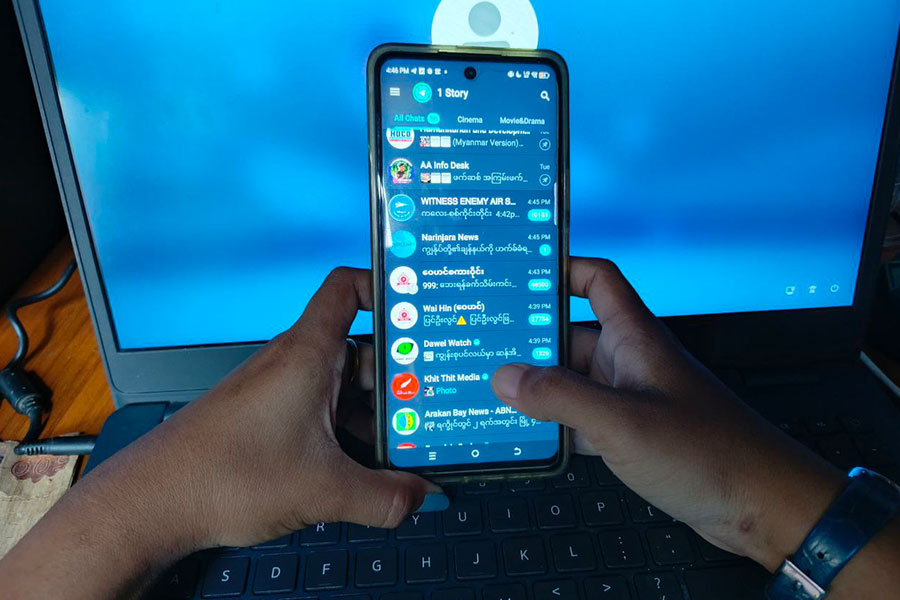
Residents in Rathedaung Township are calling on authorities to restore mobile phone and internet services, or to provide timed public access, to ease growing socio-economic hardships.
Locals said the prolonged communication blackout has severely disrupted daily life, causing difficulties in money transfers, limiting contact with family members, and restricting access to information.
Although the United League of Arakan (ULA) has permitted limited use of Starlink services in some areas under Arakan Army control, residents say internet access remains entirely unavailable in Rathedaung Township.
“To use the internet, we still have to travel to Maungdaw Township. People are spending a lot of money and facing difficulties just to handle urgent matters. Even if it is not widespread, Starlink access points should be set up within reachable distances,” said a woman from Cedipyin Village.
Since fighting resumed in Arakan State in November 2023, mobile and internet services have largely been cut off across the region. While some townships have limited Starlink access at a cost of K2,000 per hour, Rathedaung residents report spending between K50,000 and over K100,000 on travel to reach connected areas.
Residents also said that despite being allowed to apply for Starlink access, services have yet to materialize in Rathedaung more than a year after applications were submitted.
“It has been a year since I applied and paid K500,000. They said the service would be available, but there is still no clear timeline. When we asked for a refund, it was not returned,” said another local woman.
Locals added that some residents previously relied on Myanmar Economic Corporation (MEC) landline signals by installing phone masts, but authorities have since confiscated such equipment, citing security concerns.
Since late February, residents said authorities have limited MEC phone use to one device per village, with additional phones and SIM cards being seized.
“They issued warning letters to those using phone masts, saying only one phone is allowed per village for security reasons. In some areas, they are confiscating the rest,” a local man said.
Residents acknowledged that communication signals can pose security risks, as airstrikes have reportedly followed signal detection in some cases.
However, they stressed that access to communication remains essential for livelihoods, education, and social connections, and called for eased restrictions on internet access.

Top News
Y-12 aircraft, drones circle over Sittwe as clashes intensify
By Admin 23 Oct 2026
Panic grips Sittwe after deadly reported Y-12 airstrike
By Admin 23 Oct 2026
At least six killed, 37 injured in reported Y-12 bombing of downtown Sittwe
By Admin 23 Oct 2026
Fighting continues on Ngapyi Island as junta troops remain trapped
By Admin 22 Oct 2026
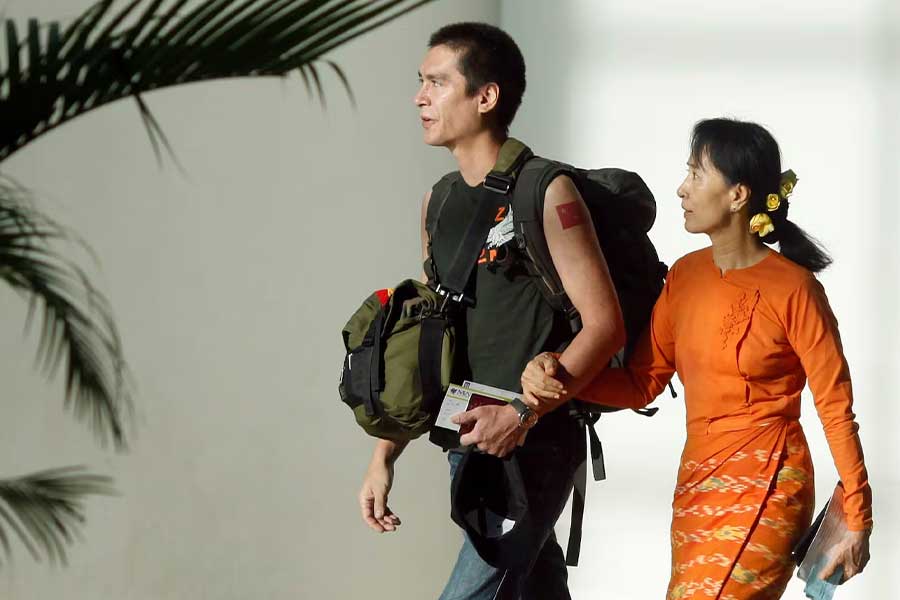
Junta allows Aung San Suu Kyi to speak with son for first time in over five years
By Admin 22 Oct 2026