
- Kyauktaw market closure disrupts trade and drives up prices across Arakan
- Arakan has Myanmar’s highest multidimensional poverty, 1.66 million affected: UNDP
- Arakan records most armed incidents, second-highest civilian casualty toll in Myanmar: NLTA
- Junta fails to regain territory despite major Arakan offensive: ISP-Myanmar
- Two Myebon fishermen missing after junta troops throw fishermen into sea
Shortage of doctors deepens healthcare crisis in Arakan State
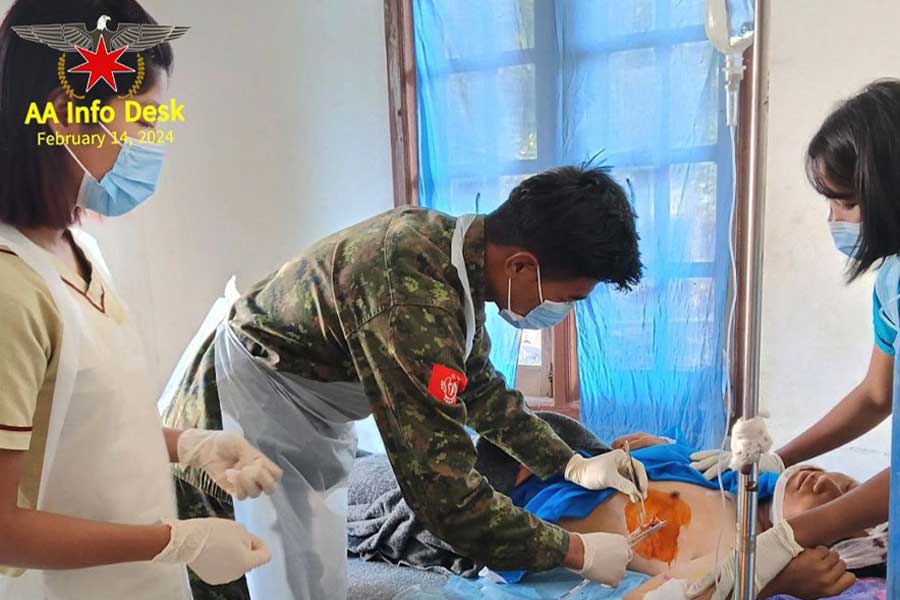
Residents in areas controlled by the Arakan Army are facing a worsening healthcare crisis due to a severe shortage of doctors, compounded by ongoing trade blockades and economic restrictions imposed by the regime.
07 May 2026
DMG Newsroom
7 May 2026, Pauktaw
Residents in areas controlled by the Arakan Army are facing a worsening healthcare crisis due to a severe shortage of doctors, compounded by ongoing trade blockades and economic restrictions imposed by the regime.
In Arakan State, only three to four specialists are currently available to provide obstetric and gynecological care, creating serious challenges for women, particularly expectant mothers. Observers say at least one such specialist is needed in every township.
“It would be best if there were at least one obstetrician and gynecologist in each township. Because there isn’t, we have to travel by boat to other areas, even in bad weather, just to receive treatment,” said a pregnant woman from Phadu Village in Pauktaw Township.
Hospitals and clinics are also struggling with shortages of essential medicines, surgical equipment, and emergency life-saving devices, leading to delays in critical care.
With road and trade routes blocked, the cost of medicine has surged alongside rising commodity prices, further limiting access to healthcare.
“Right now, even registering to see a doctor can take up to two months. For prenatal check-ups, getting a token alone takes that long. If an emergency happens, we don’t know what to do,” said a pregnant woman in Minbya Township. “With high medicine prices and so few doctors, the situation is very difficult.”
Frequent airstrikes targeting civilian infrastructure, including hospitals and clinics, have made it even harder to maintain healthcare services. On 10 December 2025, a regime airstrike on Mrauk-U Public Hospital killed at least 33 people and injured nearly 80 others, while largely destroying the facility.
Despite these challenges, the Arakan Army and the United League of Arakan (ULA) have begun efforts to strengthen the health sector in areas under their control, including plans to open a medical school and nursing training programs.
“Vaccinations are being administered, and some preventive healthcare training is being conducted. While more is needed, efforts are being made within current limitations,” said a staff member from the ULA Health Department.
According to Arakan Army chief Maj-Gen Twan Mrat Naing, there are currently between 50 and 60 doctors serving in areas controlled by the Arakan Army, with plans to train 120 nurses this year and expand healthcare services.
“We are working to improve healthcare by increasing medical supplies, recruiting more staff, and establishing medical education institutions,” he said in an interview.
However, significant gaps remain. Due to security risks from airstrikes, many healthcare services must operate discreetly, while patients in remote areas face long travel distances and waiting times.
As a result, some patients are forced to travel to India’s Mizoram State for treatment, particularly for surgeries that cannot be performed locally.

Top News
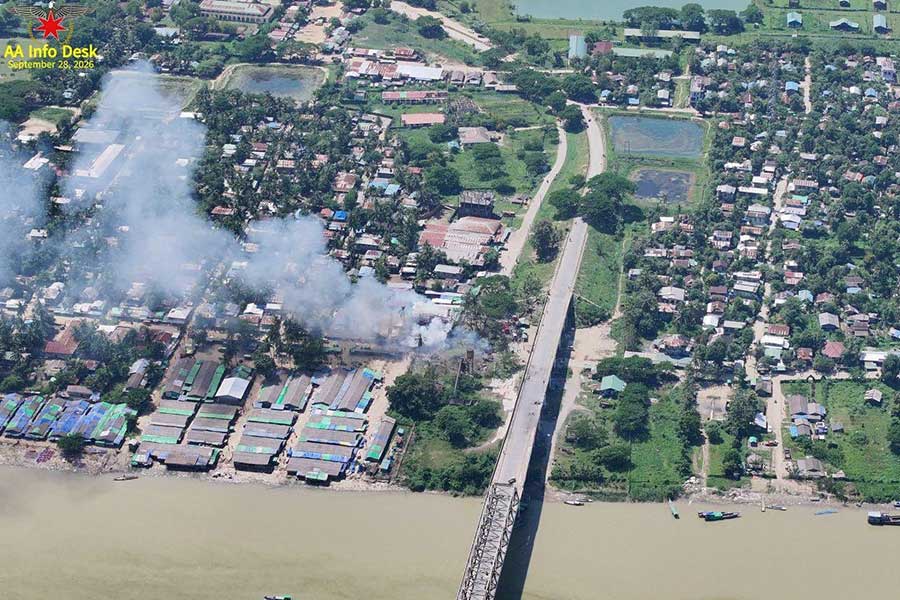
Kyauktaw market closure disrupts trade and drives up prices across Arakan
By Admin 10 Oct 2026
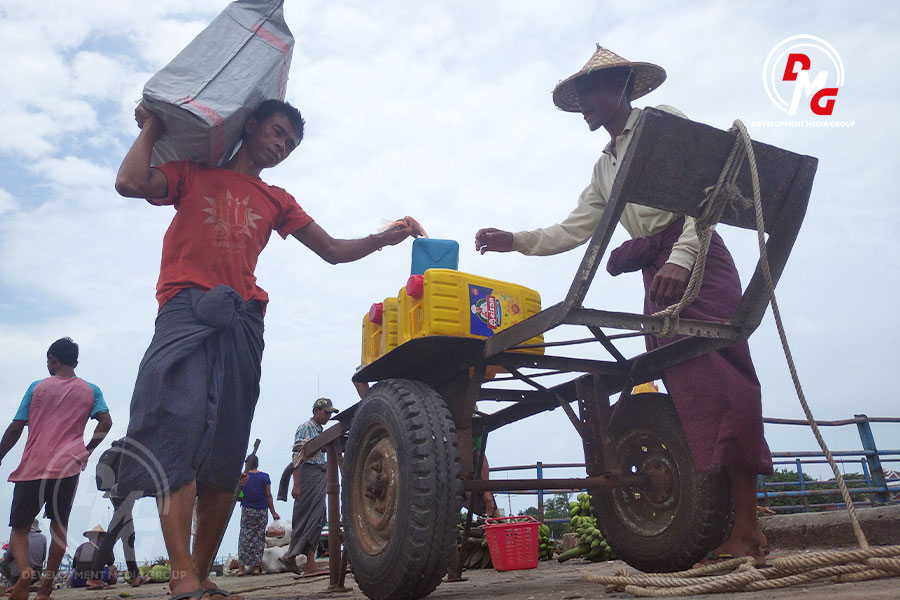
Arakan has Myanmar’s highest multidimensional poverty, 1.66 million affected: UNDP
By Admin 10 Oct 2026
Junta fails to regain territory despite major Arakan offensive: ISP-Myanmar
By Admin 10 Oct 2026
Clashes intensify near Taung Maw Oo naval station as Arakan Army launches offensive
By Admin 09 Oct 2026