
- Survivors of deadly Kyauktaw airstrike urgently need medical, humanitarian aid
- Junta seeks foothold on strategic island in Kaladan River as Arakan Army counterattacks
- Begging nearly doubles amid livelihood crisis in southern Arakan
- Heavy fighting near junta-held Sittwe fuels fear as frontlines approach city
- Displaced civilians struggle to access healthcare after junta airstrike destroys Ponnagyun clinic
Survivors of deadly Kyauktaw airstrike urgently need medical, humanitarian aid
Survivors injured in the September 28 aerial bombardment of Kyauktaw, Arakan State, are still in urgent need of emergency medical treatment and broader humanitarian assistance, according to affected residents.
13 Oct 2026
DMG Newsroom
13 October 2026, Kyauktaw
Survivors injured in the September 28 aerial bombardment of Kyauktaw, Arakan State, are still in urgent need of emergency medical treatment and broader humanitarian assistance, according to affected residents.
Victims reported receiving virtually no assistance from international organizations, leaving them struggling to cover mounting medical expenses and basic daily living costs.
As the Indian Market serves as the primary livelihood hub for daily wage earners and manual labourers, the injuries sustained by victims have severely affected their families' incomes and triggered a cascade of further hardships.
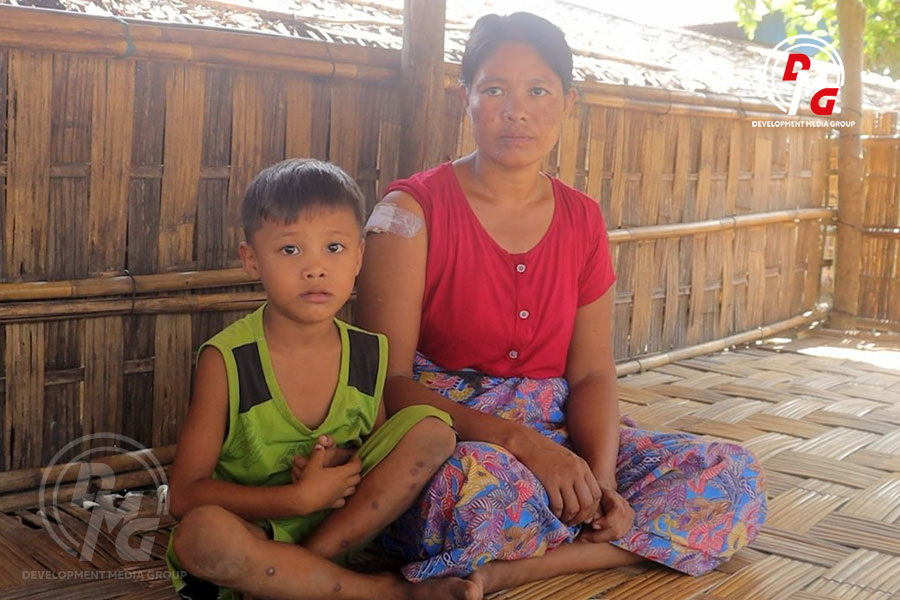
"At this rate, we are going to reach a point where we have to borrow just to eat," said Daw May Hlaing Than. "My injuries have not healed at all, and back home I only have young children who are too young to work. It would be a great relief if humanitarian organizations could provide even modest assistance."
Daw May Hlaing Than, a 38-year-old displaced woman from Sittwe who worked as a porter at the Indian Market to support her two sons, sustained severe shrapnel wounds to her shoulder and abdomen during the bombing and is appealing for urgent aid.
With all work halted and continued medical treatment needed, she is grappling with acute financial distress and shortages of essential resources.
The deadly airstrike on the Indian Market struck vendors traveling from across Arakan State, market porters, local residents and displaced families alike.
While patients with less severe injuries have been discharged, continued threats of airstrikes mean they must seek ongoing care at nearby makeshift clinics, sources said.
"Treatment at the clinic is free, and we receive some supplementary support from collective community donations," said U Than Soe, a survivor. "Because of security risks, we were not allowed to stay longer at the hospital. Now, because my wounds are still painful, I have to go to a nearby health worker to get my dressings changed. With my ribs still aching, I keep worrying whether I will starve if I am unable to carry heavy loads again."
Fifty-seven-year-old U Than Soe sustained severe shrapnel wounds near his ribs, while his 20-year-old son, Maung Hla Kyaw, was killed instantly in the attack.
U Than Soe is the sole provider for a four-member family displaced from Aungmyaygon Village in Ponnagyun Township. Alongside his wife and son, he worked as a market porter at the Indian Market to make ends meet.
During U Than Soe's hospitalization, domestic and international donors provided 1.4 million kyats in financial assistance. He remains in need of outpatient care at a nearby location.
Although authorities covered all medical expenses during his hospital stay, U Than Soe remains deeply anxious about his long-term recovery and financial future.
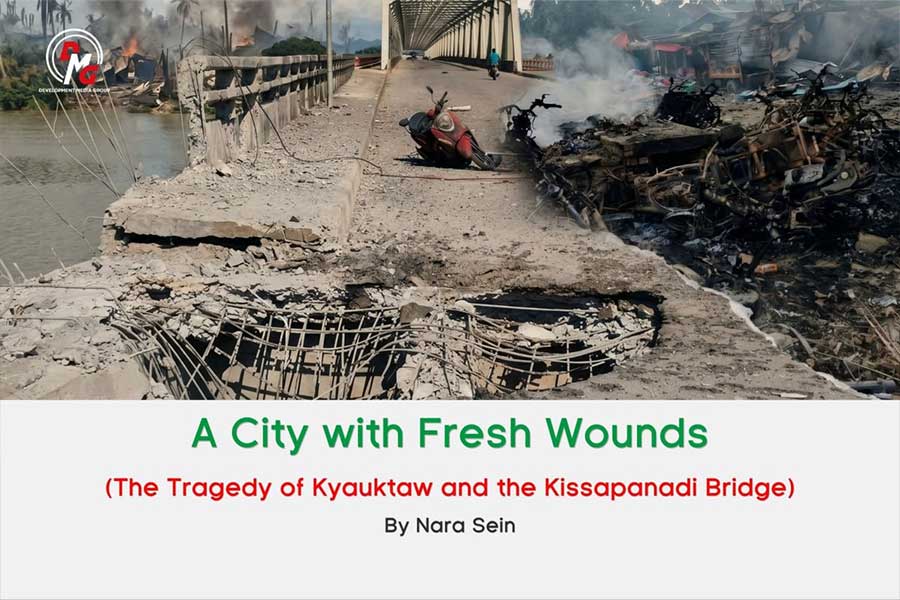
The Kyauktaw market airstrike killed 50 people, including pregnant women and children, and injured 57 others.
The bombing of Kyauktaw's Indian Market stands as one of the deadliest single airstrike incidents in Arakan State, prompting urgent calls for humanitarian intervention by international organizations and other aid groups.
At present, survivors have received only meager pooled donations from local and overseas benefactors, leaving them anxious about how they will fund ongoing medical care and rehabilitation.

Top News
Survivors of deadly Kyauktaw airstrike urgently need medical, humanitarian aid
By Admin 13 Oct 2026
Fighting, airstrikes deepen humanitarian crisis in Myanmar’s Arakan: CAS report
By Admin 12 Oct 2026
Begging nearly doubles amid livelihood crisis in southern Arakan
By Admin 12 Oct 2026
Heavy fighting near junta-held Sittwe fuels fear as frontlines approach city
By Admin 12 Oct 2026