
- Myanmar's garment industry faces deepening crisis: ISP report
- Up to 600,000 displaced people in Arakan face worsening humanitarian crisis: CAS report
- Junta steps up airstrikes and ground offensive to retake Arakan Army-held village in Ponnagyun
- Weekly Highlights from Arakan (November 2-8, 2026)
- Diwali: Illuminating the Path Towards a More Inclusive Society
Up to 600,000 displaced people in Arakan face worsening humanitarian crisis: CAS report
An estimated 500,000 to 600,000 internally displaced people (IDPs) are living in areas controlled by the United League of Arakan (ULA) in western Myanmar's Arakan (Rakhine) State, where continuing conflict, food shortages and declining humanitarian assistance are worsening living conditions, according to a new report.
10 Nov 2026
DMG Newsroom
10 November 2026, Yangon
An estimated 500,000 to 600,000 internally displaced people (IDPs) are living in areas controlled by the United League of Arakan (ULA) in western Myanmar's Arakan (Rakhine) State, where continuing conflict, food shortages and declining humanitarian assistance are worsening living conditions, according to a new report.
The Center for Arakan Studies (CAS), an independent research organisation, examined the humanitarian challenges facing displaced communities between January and October 2026 in its Arakan Special Study No. 14, released on November 6.
The study covers civilian security, livelihoods, healthcare, education and access to essential services.
According to CAS, the ULA, the political wing of the Arakan Army (AA), controls more than 90 percent of Arakan's territory, while Myanmar's military retains control of Sittwe, Kyaukphyu and Manaung.
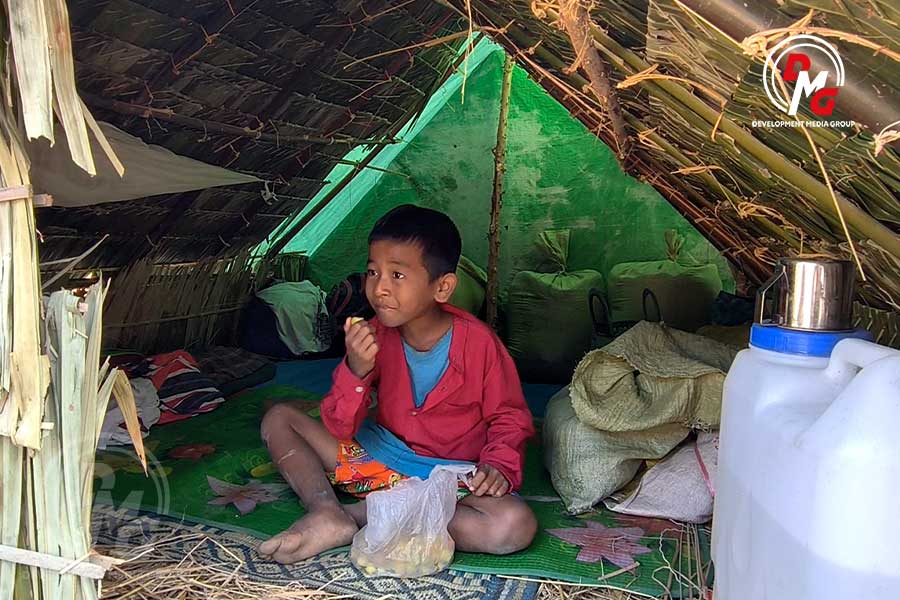
Most displaced civilians are sheltering in ULA-controlled areas, including temporary camps, monasteries, schools and roadside settlements. Others remain displaced in military-controlled territory.
The estimated displacement figure is based on CAS's assessment and has not been independently verified.
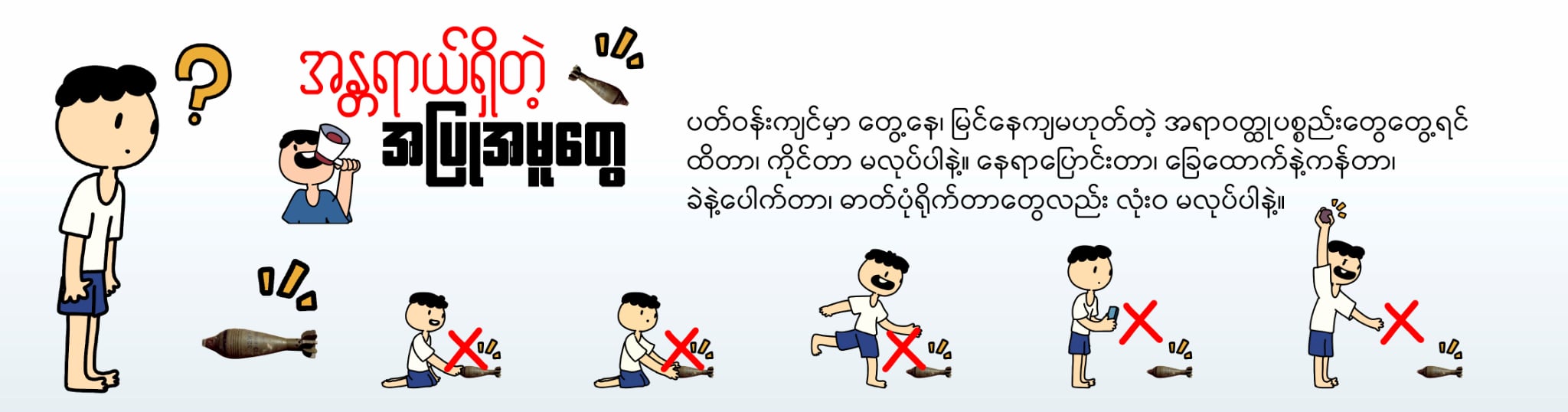
The report identifies military airstrikes, artillery attacks and landmines as major threats to civilian safety, preventing many families from returning home and disrupting access to essential services.
In Kyaukphyu Township, displacement reportedly reached approximately 50,000 people in May, with families facing shortages of food, drinking water, medicines and adequate shelter.
In Ponnagyun Township, nearly 2,000 displaced residents at Kyantalin camp reportedly struggled with water shortages and limited livelihood opportunities.
Sanitation conditions have also deteriorated. At one displacement camp in Mrauk-U Township, flooding reportedly left only four of 14 toilets usable, raising concerns about hygiene and disease.
Children face interrupted schooling, rising education costs and fears of airstrikes, while women, older people and other vulnerable groups struggle to access healthcare and suitable shelter.
Economic pressures have further deepened the crisis. Displaced families have lost jobs, farmland and income, while rising food prices have made basic necessities increasingly unaffordable.
In southern Arakan, communities in Thandwe, Taungup and Gwa townships have faced worsening food insecurity and limited employment opportunities.
CAS warns that prolonged displacement has depleted household resources, leaving many families increasingly dependent on humanitarian organisations, local civil society groups and the ULA administration.
The report also accuses Myanmar's military authorities of restricting humanitarian assistance to ULA-controlled areas, further aggravating civilian suffering.
CAS calls on the United Nations, international humanitarian organisations, neighbouring governments and relevant authorities to facilitate unhindered assistance to affected communities.
It stresses that emergency relief alone is insufficient and urges sustained support for livelihoods, education, healthcare, safe drinking water and sanitation.

Top News
Myanmar's garment industry faces deepening crisis: ISP report
By Admin 10 Nov 2026
Arakan Army claims to have sunk more than 10 junta warships in three years
By Admin 09 Nov 2026
Bangladesh confirms talks with Arakan Army on Rohingya crisis
By Admin 09 Nov 2026