
- Kyauktaw market closure disrupts trade and drives up prices across Arakan
- Arakan has Myanmar’s highest multidimensional poverty, 1.66 million affected: UNDP
- Arakan records most armed incidents, second-highest civilian casualty toll in Myanmar: NLTA
- Junta fails to regain territory despite major Arakan offensive: ISP-Myanmar
- Two Myebon fishermen missing after junta troops throw fishermen into sea
Vehicle shortages, weak information flow hamper relief operations in Arakan State
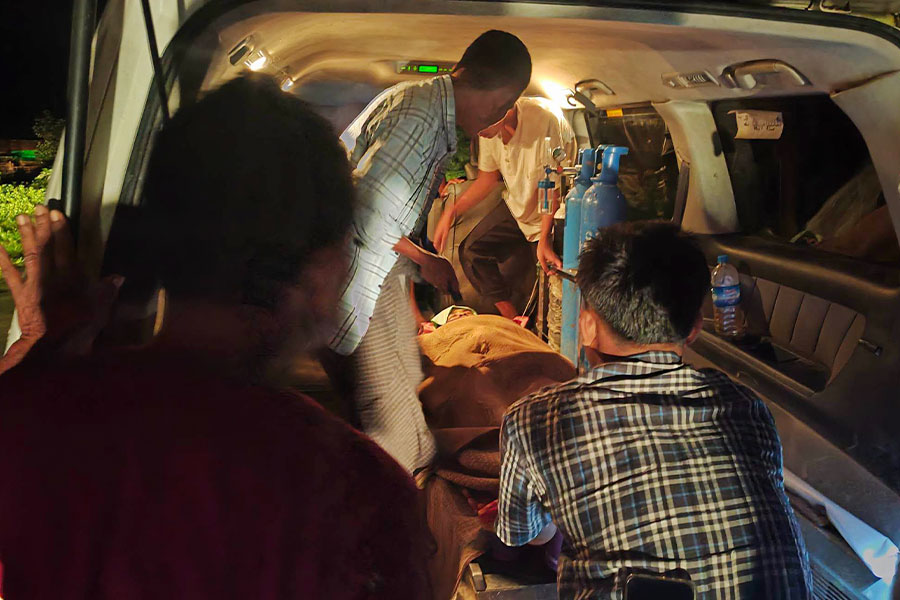
Civil society organizations in Arakan State report that rescue and relief operations are facing severe challenges due to poor ground-level information flow and a shortage of emergency transport vehicles.
31 Aug 2026
DMG Newsroom
31 August 2026, Ponnagyun
Civil society organizations in Arakan State report that rescue and relief operations are facing severe challenges due to poor ground-level information flow and a shortage of emergency transport vehicles.
With military junta airstrikes posing a daily threat across Arakan State, aid workers say delayed information about bombing incidents prevents them from delivering timely assistance to victims.
"We hear the sound of approaching aircraft and bombs dropping. But due to poor information flow, we don't know where it happened or what occurred. Therefore, we want the United League of Arakan (ULA) to implement a special mechanism to speed up information sharing for aid organizations," said Ko Pyae Phyo Naing, chairman of the Ponnagyun Youths Association.
Consequently, humanitarian groups have urged the Arakan Army to facilitate faster information sharing so that emergency situations across Arakan State can be addressed promptly.
While aid groups are striving to provide real-time emergency support, a lack of sufficient transport vehicles presents another major operational challenge on the ground.
"In our foundation, we currently have three vehicles, but two are broken down because we cannot afford to repair them. When emergency situations arise, rescuing patients becomes incredibly stressful. With cluster bombings occurring now, we frequently face mass casualty incidents with nearly a dozen injured people at once. When such incidents happen, our available vehicles are entirely inadequate to transport the victims," said Ko Khaing Hein Htet, chairman of the Phyu Sin Yin Khwin Foundation.
He added that declining domestic and international assistance has prevented the foundation from expanding its vehicle fleet, forcing it to operate under extreme constraints.
Civil society organizations in Arakan State have consistently carried out aid and rescue operations since the outbreak of battles to capture towns.
While numerous humanitarian groups previously operated in Arakan State, many have ceased operations due to mounting operational challenges.
As residents in Arakan State face persistent junta airstrike threats, daily casualties continue to mount, increasing the urgent need for humanitarian assistance.

Top News
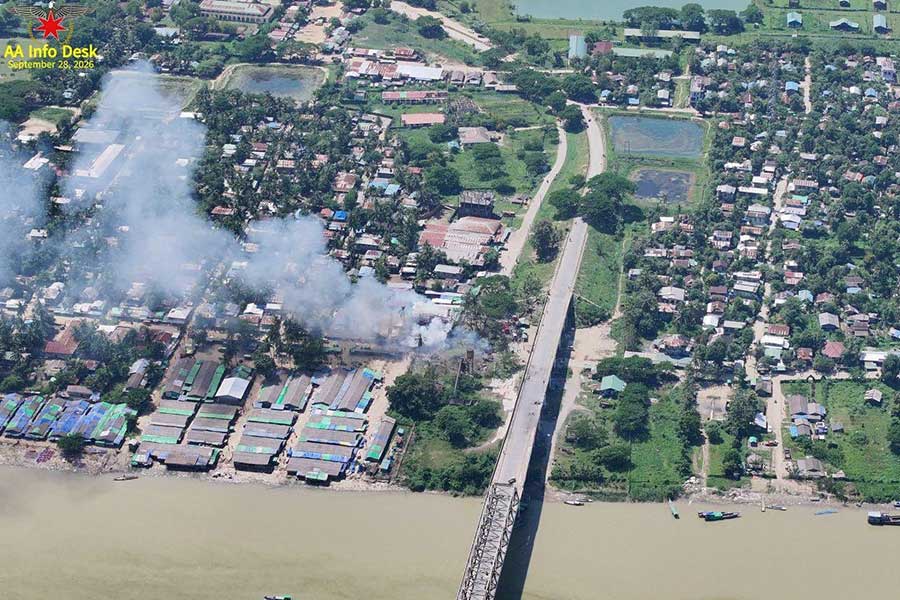
Kyauktaw market closure disrupts trade and drives up prices across Arakan
By Admin 10 Oct 2026
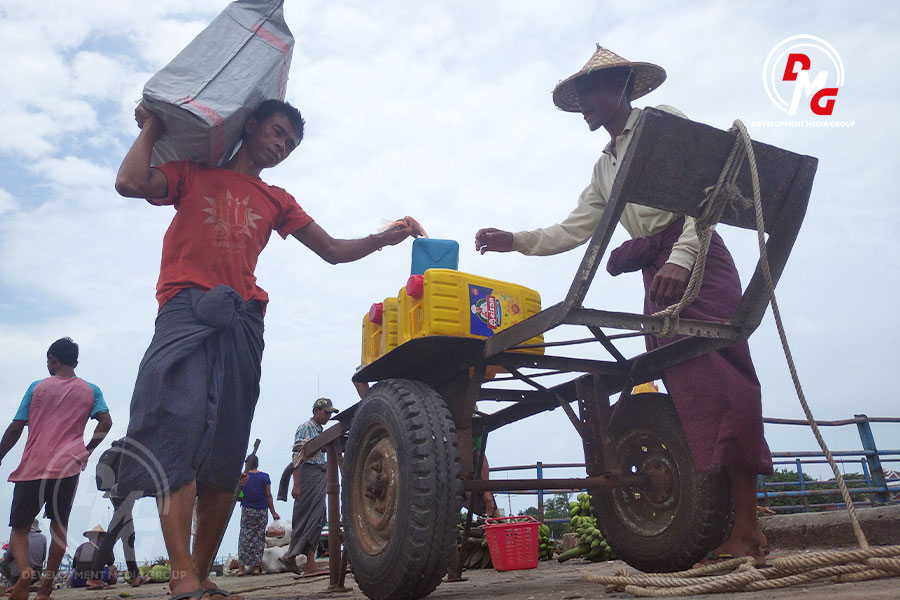
Arakan has Myanmar’s highest multidimensional poverty, 1.66 million affected: UNDP
By Admin 10 Oct 2026
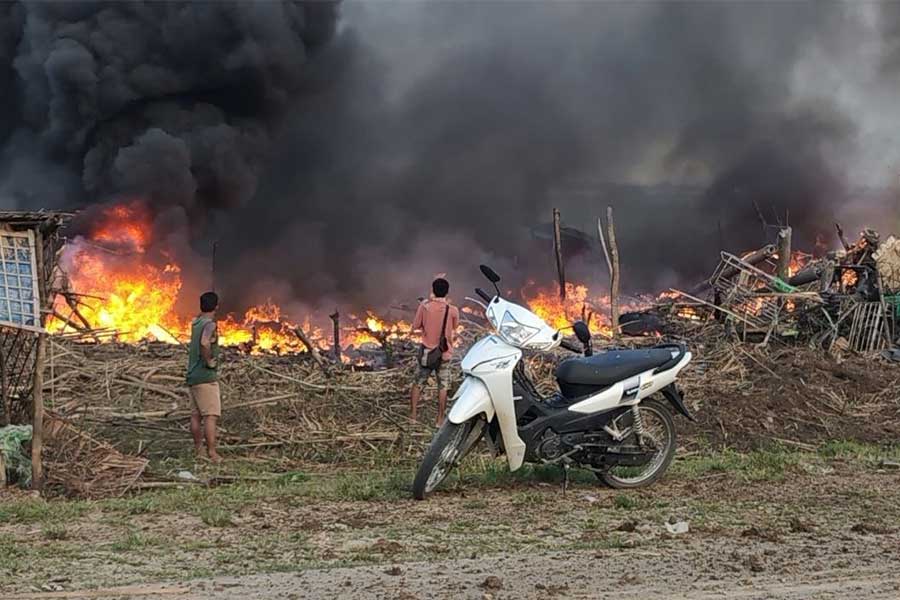
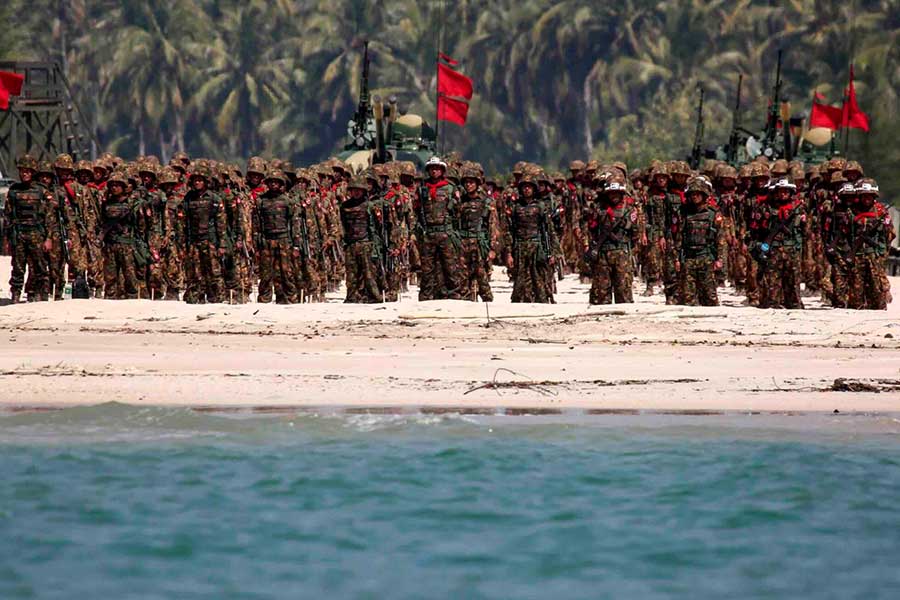
Junta fails to regain territory despite major Arakan offensive: ISP-Myanmar
By Admin 10 Oct 2026
Clashes intensify near Taung Maw Oo naval station as Arakan Army launches offensive
By Admin 09 Oct 2026