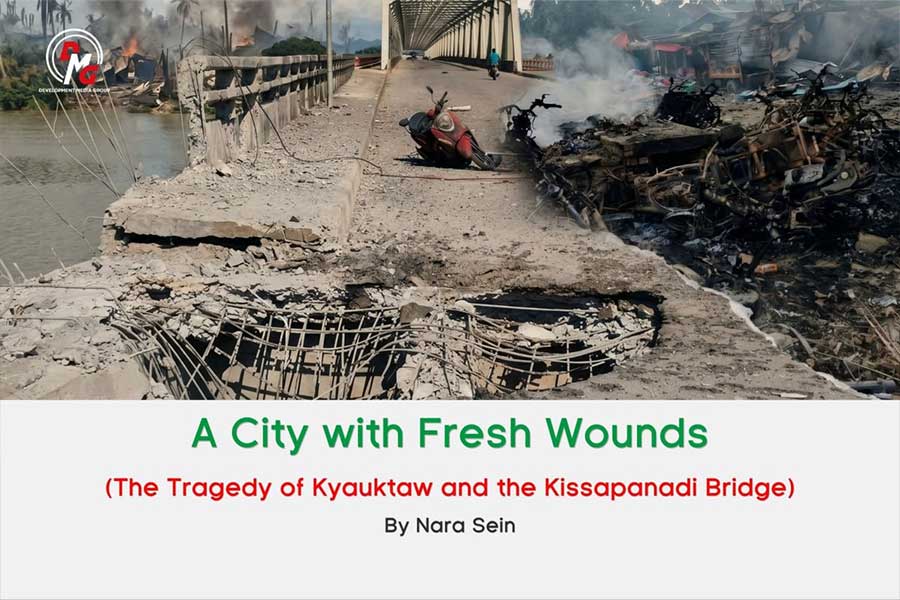

- Survivors of deadly Kyauktaw airstrike urgently need medical, humanitarian aid
- Junta seeks foothold on strategic island in Kaladan River as Arakan Army counterattacks
- Begging nearly doubles amid livelihood crisis in southern Arakan
- Heavy fighting near junta-held Sittwe fuels fear as frontlines approach city
- Displaced civilians struggle to access healthcare after junta airstrike destroys Ponnagyun clinic
War, conscription and unemployment threaten future of Arakan youth: study
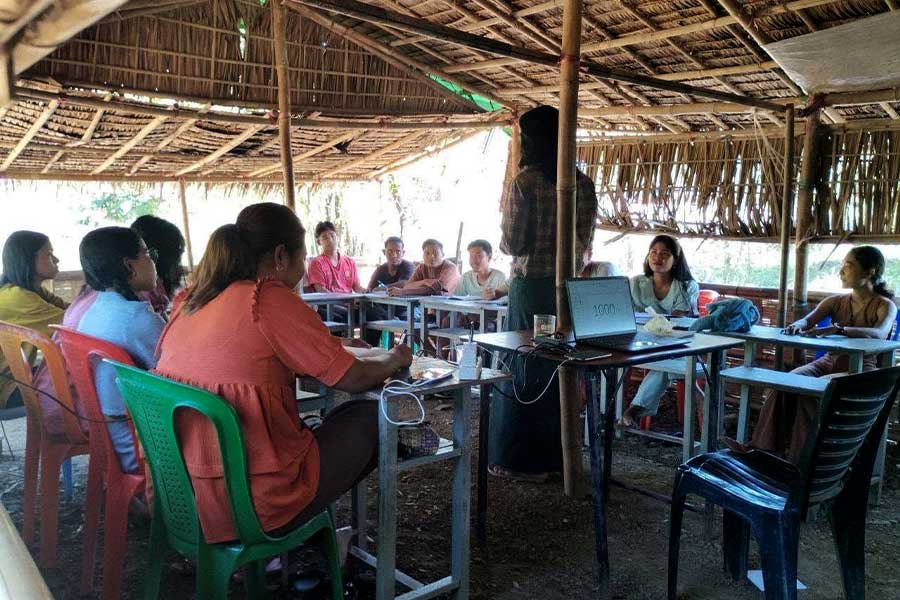
Young people in Arakan State are facing an increasingly uncertain future due to prolonged conflict, military recruitment, movement restrictions, unemployment and disrupted education, according to a new report by the Center for Arakan Studies.
01 Sep 2026
DMG Newsroom
1 September 2026, Yangon
Young people in Arakan State are facing an increasingly uncertain future due to prolonged conflict, military recruitment, movement restrictions, unemployment and disrupted education, according to a new report by the Center for Arakan Studies.
The report, The Future of Arakan’s New Generation Amid Military, Political and Socioeconomic Crises, was published on August 31 as Arakan Affairs Special Study No. 10 (2026) and examines developments affecting young people from January 2024 through August 2026.
The study says young people have faced growing pressure since renewed fighting between the Myanmar military and Arakan Army (AA) began in November 2023, including military recruitment, arrest, restrictions on travel and shrinking opportunities for education and employment.
It says the junta began recruiting young people, including Muslims in Sittwe and Kyaukphyu, while the AA introduced its National Defence Emergency Provision (NDEP) in March 2025 and restricted people eligible for military service from leaving Arakan.
The study cites Unlawful Conscription Watch (UCW) as saying 3,993 people from Arakan were recruited for military service by the junta between May 2025 and May 31, 2026, the second-highest figure among 15 states, regions and Naypyidaw covered by its data.
The report also documents cases of young people allegedly detained while attempting to leave AA-controlled areas and subsequently sent for military training. In Thandwe Township, more than 80 young people were reportedly detained after attempting to leave the state.
Economic hardship is another major concern. Citing a Youth-Led Organization (YLO) assessment, the report says 55 percent of young people in Arakan are unemployed, with limited job opportunities, skills gaps and a lack of capital to start businesses among the main challenges.
Years of conflict have also disrupted university and college education, while difficulties travelling and obtaining identity documents have further limited opportunities to study or work outside the state. The report notes that some education pathways have begun to re-emerge in AA-controlled areas during 2025 and 2026.
The Center for Arakan Studies concludes that an entire generation is becoming trapped between war, unemployment, interrupted education and family economic hardship, warning that the consequences could extend well into the future.
It calls on governing authorities and civil society organizations to adopt broader policies and programmes that address young people's immediate difficulties while creating sustainable opportunities for their future.

Top News
Survivors of deadly Kyauktaw airstrike urgently need medical, humanitarian aid
By Admin 13 Oct 2026
Begging nearly doubles amid livelihood crisis in southern Arakan
By Admin 12 Oct 2026
Heavy fighting near junta-held Sittwe fuels fear as frontlines approach city
By Admin 12 Oct 2026