
- Y-12 aircraft, drones circle over Sittwe as clashes intensify
- Panic grips Sittwe after deadly reported Y-12 airstrike
- At least six killed, 37 injured in reported Y-12 bombing of downtown Sittwe
- Junta column heading toward Kyindwe suffers heavy casualties in resistance ambushes
- Junta replaces Arakan State security minister amid escalating battles near Sittwe
Vox Pop: The future of youth in Arakan Army controlled areas
As armed conflict drags on, communities across Arakan (Rakhine State) are facing the compounded impacts of economic decline, stalled education, and severe shortages of employment opportunities. Local youth are among the hardest hit.
25 Jan 2026

DMG Newsroom
25 January 2026, Mrauk-U
As armed conflict drags on, communities across Arakan (Rakhine State) are facing the compounded impacts of economic decline, stalled education, and severe shortages of employment opportunities. Local youth are among the hardest hit.
In areas currently controlled by the Arakan Army, youth unemployment is rising sharply. Many young people say they are forced to take whatever casual work they can find simply to survive, while their long-term goals and aspirations continue to fade.
According to a UNDP report released in October 2025, nearly four million young people are unemployed in Myanmar, with around 40 percent of them in Arakan State.
Against this backdrop, DMG spoke with young people living in Arakan Army controlled areas about their current employment situation and future prospects.
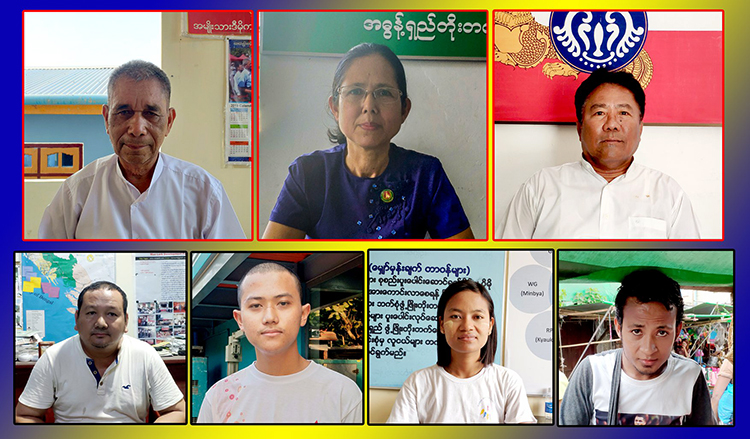
Ma Khin Oo May (Internally Displaced Person)
ULA [United League of Arakan] party offices sometimes come and ask people to volunteer for relief work. Groups like RI [Relief International] and Triple-T also collect volunteer applications. We submit our applications, but nothing happens unless they call us.
There is no salary. If it’s five days of work, they only give five days’ worth of phone credit, food, and transport costs. That’s all.
I had planned to become a nurse after finishing school. But with the fighting like this, I haven’t been able to realize that plan yet. Whenever job vacancies are announced, I apply, but nothing materializes.
Right now, I’m only working as a volunteer. There’s no income, and because it’s voluntary work, daily survival is difficult. If there were real job opportunities, I would want stable work that could support our livelihoods. My family faces serious difficulties—health problems, food insecurity, everything.
It’s true that what I’m doing now doesn’t match my dream of becoming a nurse. But I’m interested in volunteering, so in some ways I accept it. Still, in the current conflict situation, most young people are unemployed and do whatever work they can find.
Even students who passed Grade 10 can no longer rely on education. They are struggling just to support their families. Many young people have had their education interrupted. Even those who passed Grade 12 still don’t have opportunities.
I want people like us, and those with interrupted education to have job opportunities that match our qualifications.
Ma Aye Than Yin (Mrauk-U Township)
You do see job announcements for example, calls for nurses or medical students. But medical schools have strict requirements. When nurses are recruited, many people apply, including young people who haven’t even finished school.
In the end, only those who meet the qualifications are selected. That’s understandable. But at the same time, in this area, I see many young people with no jobs just staying in their villages, eating and sleeping with nothing to do.
Some young people with incomplete education join the military. Others enter government departments due to personal interest or circumstances. But many simply don’t know what to do with their lives and feel their future has disappeared.
I myself am one of those young people who doesn’t yet have a clear goal.
Ko Min Chit Thu (Internally Displaced Person, Kyauktaw)
I was studying chemistry in my second year, but after being displaced by the fighting, I couldn’t sit for my exams. Right now, I’m driving a motorcycle taxi.
As for job opportunities, refugee camps sometimes recruit volunteers. People submit applications, but going in person doesn’t really help. Real job opportunities are extremely limited. Volunteer positions are given to only one or two people at a time.
Employment opportunities are almost completely gone. Even educated people are struggling just to earn enough for daily expenses. In displacement situations like this, people no longer rely on education, they focus only on daily survival.
I apply when jobs are announced, but because opportunities are so few, most people don’t get hired. Even volunteer positions usually go to those with prior work experience.
I would like to see some basic training on how to seek jobs or improve skills, especially within relief settings.
Before, I hoped to attend university, then study computers or English and work for an international organization with a good salary. Now that’s no longer possible. Schools have been closed for a long time, and educational opportunities have been severely lost.
I feel like hope has faded. I don’t know what to do. But I still have to support my family. The education pathway is in bad shape. Still, I hope that if times improve, we may be able to return to education.
Authorities should invest more in education. If young people lose opportunities during their youth and can’t pursue education, the country will lose its educated generation—and future opportunities as well.
Ma Moe Moe Aung (Toungup Town)
In terms of employment, the government (ULA) sometimes recruits staff. Other than that, there are almost no job opportunities.
If young people want to start businesses, they face many obstacles. The main opportunities come when the government recruits staff but often those selected are people close to the authorities.
There are also vocational trainings, such as midwifery courses. But those selected are often people close to officials or those who helped them during the fighting.
In such situations, young people invest money and trust to apply, but even if they are qualified, they may still be rejected. Later, when new jobs open, many don’t bother applying anymore.
Starting private businesses requires significant capital, which young people simply don’t have. As a result, many become government employees not because it’s their passion, but because they have no other choice.
This mismatch between what they want to do and what they end up doing creates many difficulties.
Personally, I want young people to be given more educational opportunities. With more access to education, they can better understand their goals and express what they truly want to become.
Ko Soe Naing Tun (Mrauk-U Town)
At the moment, I would say there are no job opportunities at all. I’m trying to focus on education instead.
Considering our age, this should still be a time for learning. But right now, the country is at war, and job opportunities are extremely scarce.
The decline in employment is severe. Before, when the political situation was stable, there were investments and trade in our region, and most people were doing relatively well.
Now, during this period of conflict, everything has become difficult. People are struggling just to protect their families. Employment has become a major challenge for everyone.

Opinion

Can the UN Restore Trust in a Fractured World?
By Admin 23 Oct 2026
Arakan Amid the Storm: From Survival to Rebuilding a People
By Admin 22 Oct 2026
Surviving Amid the Bombs: Arakan's Quiet Resistance
By Admin 19 Oct 2026
Shadows Over Childhood: Confronting the Reality of Missing Children
By Admin 16 Oct 2026
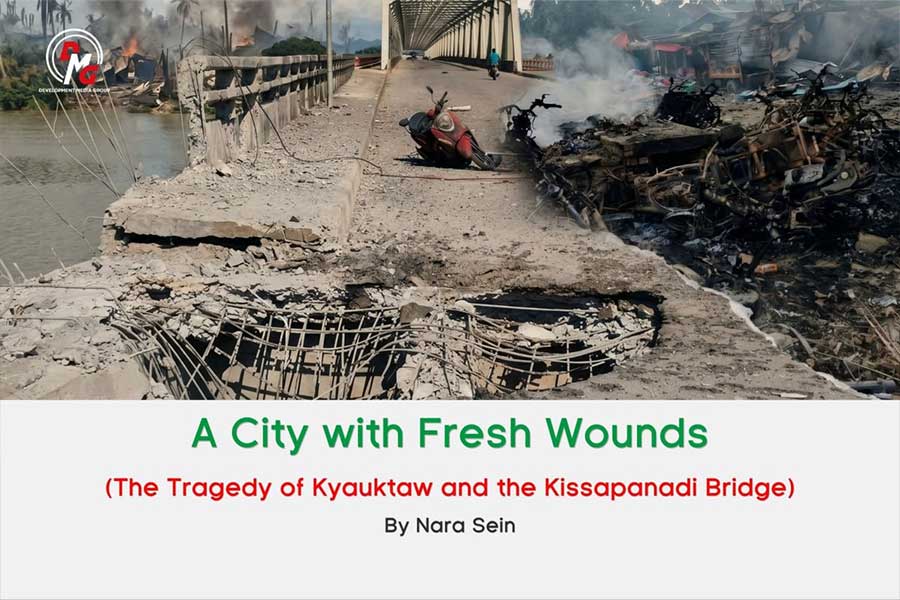
A City with Fresh Wounds (The Tragedy of Kyauktaw and the Kissapanadi Bridge)
By Admin 01 Oct 2026

Arakan Army’s Gains and the Changing Geopolitics of Arakan
By Admin 29 Sep 2026
POLITICS

BUSINESS
Industry to manufacture finished goods from coconut starting in early 2020
By Aung Kaung Zaw 20 Nov 2019