
- Deadly junta airstrike leaves Kyauktaw daily-wage earners jobless
- India pushes to accelerate work on Kaladan road project in 2027 working season
- Junta launches fresh multi-aircraft bombardment of Kyauktaw mountain ranges
- Fierce combat erupts in Kyindwe, southern Chin State as resistance forces capture junta troops
- Malaysian firms linked to Myanmar military aviation supply chain: JFM
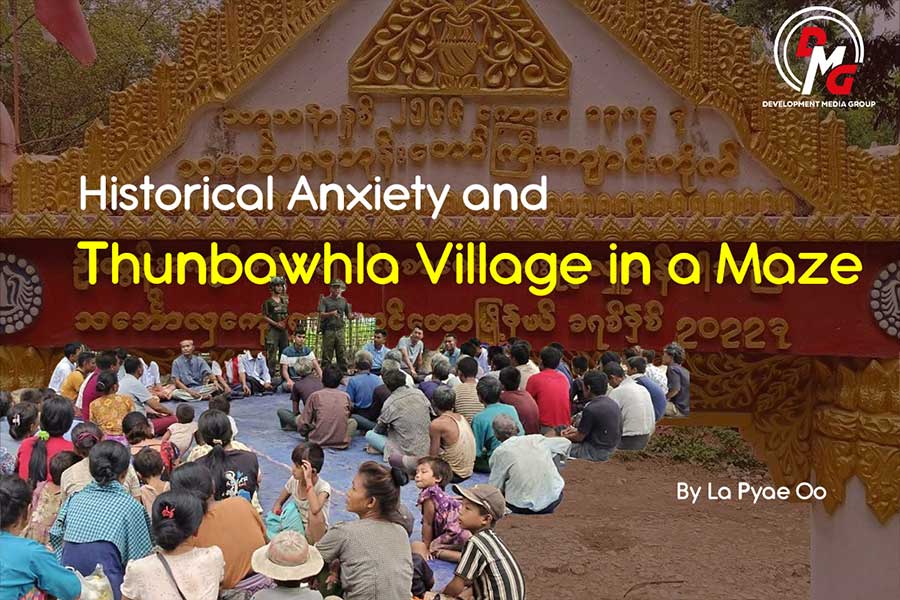
Historical Anxiety and Thunbawhla Village in a Maze
Thunbawhla, a small village inhabited by the Daingnet (Thet-Kama) ethnic community in the border area of Taungpyo Letwae Subtownship, Maungdaw District, northern Arakan State, has endured storms, historical wounds, and hardship for generations.
08 Jun 2026
By La Pyae Oo
Thunbawhla, a small village inhabited by the Daingnet (Thet-Kama) ethnic community in the border area of Taungpyo Letwae Subtownship, Maungdaw District, northern Arakan State, has endured storms, historical wounds, and hardship for generations. In late May 2026, the village faced a deeply painful series of incidents that left many residents traumatized. The events challenged local stability and trust among communities. Now, however, Thunbawhla is slowly trying to return to normal life, carrying a small light of hope through the silence.
The Security Anxiety of 150 Households and the Fear Inherited from History
Thunbawhla village, with around 150 households, lies among mountain ranges along the Myanmar-Bangladesh border. Because of its location close to the border, the village has long lived with constant security concerns.
Before the Arakan Army (AA) gained control over this area, Thunbawhla faced repeated threats from Muslim armed groups. In one painful incident, armed men entered the village and abducted a male teacher and a female teacher who were educating local children, later demanding ransom.
Because the village is located in a border area and has experienced abductions and robbery, villagers have long carried fear and suspicion in their hearts. The question, “Who will protect us?” has remained a constant anxiety among them.
The First Crack of Political Suspicion and the Background of Past Assistance
It is often said that the air becomes still before a storm. But in Thunbawhla, the atmosphere had already grown heavy with suspicion since mid-May. Some villagers began to misunderstand and fear the military service law announced by the Arakan Army, which many Arakanese people regard as their national leading force.
In 2025, the senior monk of Thunbawhla village was detained at the border while travelling to Bangladesh for medical treatment. At that time, amid political and social difficulties, he was able to return safely after assistance and efforts by the ULA/AA. For many residents, that incident was remembered as an example of the Arakan Army’s role in protecting local ethnic minority communities.
However, some villagers who had long feared threats from armed groups overlooked that previous assistance. They misunderstood the law requiring local people to take part in defending their area and viewed it negatively. As a result, resistance to compliance began spreading. This misunderstanding became one of the first causes of a crack in the trust that had been built between the Arakan Army and local communities.
From the perspective of some local minority communities, however, their concerns were rooted in real difficulties. Because of their traditional background, small population, and daily struggles for livelihood, fear for their families’ future outweighed a sense of duty toward the military service law.
The May 23 Meeting and the Spark of Unrest
Local administrators and responsible officials held several discussions to clarify the misunderstandings. But at a meeting on May 23, the existing tensions escalated. Inside the meeting, heated debate turned into strong opposition from some residents who did not want to comply.
Soon after, some villagers carrying sticks and knives appeared on the village road and began protesting. Their actions damaged social unity and moved the situation toward violence. They reportedly threatened villagers who did not want to participate in the unrest and who preferred to remain peaceful.
They shouted that those who did not come out onto the road would be attacked, killed, or driven out of the village. Such threats forced frightened villagers into the unrest.
During the meeting, although phone use and photography had been prohibited, one woman secretly took photos. Because this raised security concerns, Arakan soldiers went to search her home. Local residents said this incident further intensified villagers’ fear and made the situation more tense.
The May 24 Crackdown and Incitement from Exiled Groups
On May 24, following the previous day’s unrest and threats, the Arakan Army entered the village and began arrests and interrogations. While searching for those who had allegedly incited or participated in the unrest, some villagers hiding in their homes out of fear were also taken for questioning.
At a time when the whole village was overwhelmed by anxiety, a statement was issued by a group identifying itself as “12 Daingnet social organizations” based abroad or in exile, groups that some local residents said they had rarely, if ever, heard of before.
Because of their unverified and one-sided accusations, some domestic and international media outlets quickly repeated the claims without thoroughly investigating the real conditions on the ground or the root causes of the incident. Observers say such rushed reporting increased tensions among local ethnic communities and damaged the image of the ULA/AA, which has been leading local administration and security efforts in the area.
The Graveyard-Like Silence of May 25 and Emergency Negotiations
By May 25, Thunbawhla village had fallen silent like a graveyard. Grief, sorrow, and shock dominated the hearts of the remaining families. Even as darkness fell in the evening, no house dared to turn on a light. This silence reflected the real suffering caused by incitement, fear, and distrust.
Beginning on May 25, the Maungdaw District Thet-Kama Ethnic Affairs Committee, village administrators, and relevant authorities began holding emergency meetings. They negotiated urgently for the safety and release of those who had been detained.
The Sorrow of Remaining Families and Losses Caused by Division
Although relevant departments were negotiating, the families left behind remained deeply anxious. Their children, husbands, and relatives had not yet returned, and some household items were reportedly missing after the arrests and searches. Their hearts burned with worry.
Looking at the incident, one major weakness was that some villagers did not cooperate with, or trust, their local village administration. As a result, they did not clearly understand the real political conditions on the ground during a period of transition and changing systems.
Similar incidents had previously occurred only in the “inner village” area of Thunbawhla, but this time both the “inner village” and “outer village” became involved. Regardless of who was on which side, the harm and trauma suffered by villagers were the same.
The Light of Hope on June 1 and Reunion on June 2
On June 1, a small light of hope reached the village. The Arakan Army first released a woman who had left behind a breastfeeding infant at home. Worried villagers then rushed to her house to ask what had happened.
The Maungdaw District Thet-Kama Ethnic Affairs Committee also issued a statement dated May 31, urging members of the community not to become divided and to maintain unity.
Finally, after continuous negotiations by responsible persons and after the situation on the ground was reviewed, 89 detainees were safely sent back to their village on June 2. Around 25 others remained under questioning regarding the background to the unrest and alleged incitement. At the same time, relevant authorities were said to be arranging a fair process for those who had suffered losses of household property.
Among the remaining 25 people, those who fall under the military service law may be required to serve. Those who do not fall under the law are expected to receive education from relevant authorities on ethnic affairs, unity among all ethnic communities in Arakan State, participation in building the “Arakan Dream,” and the shared benefits that may come from that process.
It is hoped that the Arakan Army will not take harsh legal action against the remaining detainees, but will instead reduce penalties and release them soon in consideration of border-area stability, unity among ethnic communities, and sympathy among ethnic brothers and sisters.
Conclusion
The incident in Thunbawhla village is a lesson in how historical anxiety, mistrust, and pressure from some self-proclaimed exile organizations can lead people in the wrong direction. It also highlights the urgent need to rebuild open communication and trust between the Arakan Army and local communities.
As of June 3, villagers have begun to overcome the storm of anxiety and are gradually resuming their daily social and economic activities. Their return to near-normal life may slowly heal the painful trauma they have suffered. May they be able to rebuild a peaceful community with stronger unity in the future.

Opinion
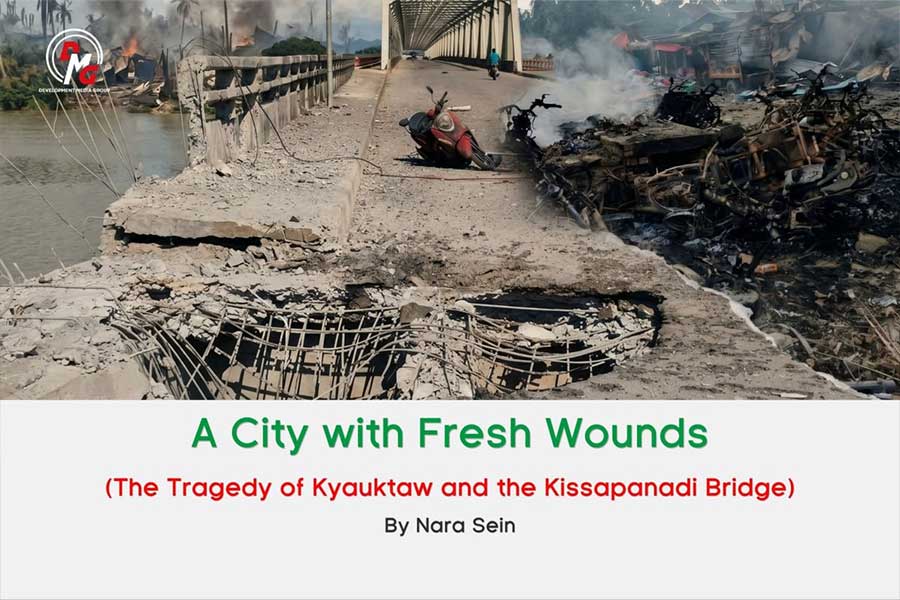
A City with Fresh Wounds (The Tragedy of Kyauktaw and the Kissapanadi Bridge)
By Admin 01 Oct 2026
Arakan Army’s Gains and the Changing Geopolitics of Arakan
By Admin 29 Sep 2026
Beyond Military Victory: What Is Myanmar’s Ultimate Political Objective?
By Admin 26 Sep 2026
UN at a Crossroads: Six Priorities for a Shared Future
By Admin 23 Sep 2026
.jpg)
How Can Myanmar’s Political Crisis Be Brought to an End?
By Admin 13 Sep 2026
POLITICS

BUSINESS
Industry to manufacture finished goods from coconut starting in early 2020
By Aung Kaung Zaw 20 Nov 2019