

- Military operations spread despite decline in clashes, BNI report finds
- Junta aerial attacks force school closures across three Arakan townships
- Family demands swift arrest of statutory rape suspect in Werathani
- Women face shrinking employment opportunities in Myanmar, UNDP reports
- AA seizes five junta outposts as Arakan records most civilian-targeted airstrikes: NLTA
Bangladesh border fence plan puts focus on Arakan Army’s role in border security
Bangladesh's plan to build a fence along its 270-kilometre border with Myanmar has drawn attention to the role of the Arakan Army (AA), which controls the Myanmar side of most of the border.
07 Jul 2026
DMG Newsroom
7 July 2026, Maungdaw
Bangladesh's plan to build a fence along its 270-kilometre border with Myanmar has drawn attention to the role of the Arakan Army (AA), which controls the Myanmar side of most of the border.
Bangladesh Home Minister Salahuddin Ahmed announced the border fencing plan during a session of the country's National Parliament on June 17, saying it is aimed at strengthening border security.
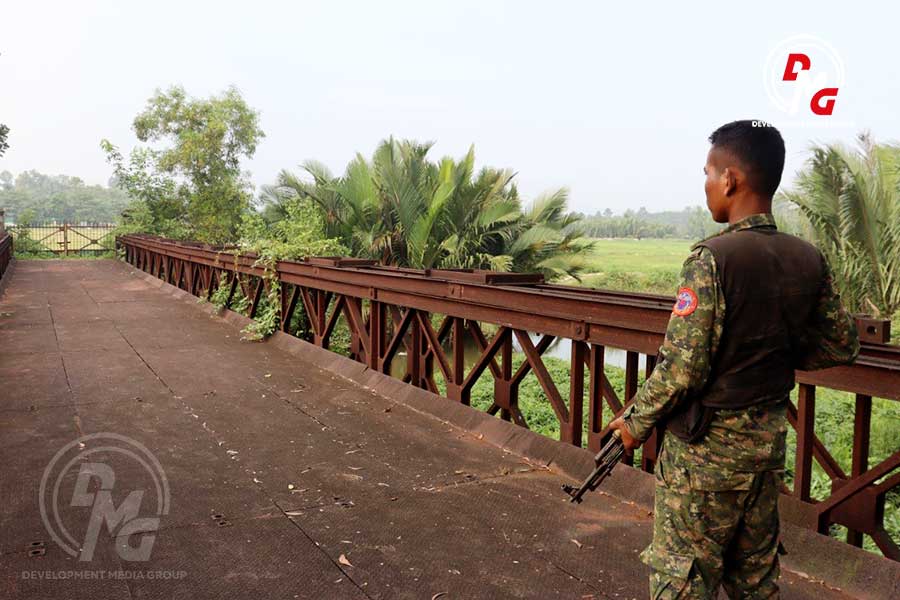
The Bangladesh border adjoins Maungdaw and Buthidaung townships in Arakan State, both of which are under the control of the Arakan Army.
Bangladesh authorities said the project aims to prevent cross border crime and illegal border crossings by constructing barbed wire fencing and border roads in remote mountainous areas.
The Bangladeshi government also plans to deploy thermal imaging scanners, night vision binoculars, CCTV cameras and drone surveillance systems to curb illegal crossings and drug trafficking.
However, border observers note that the regime no longer exercises effective control along the Myanmar-Bangladesh border. Although Bangladesh maintains diplomatic relations with the junta, they say any long-term border security measures will also require engagement with the Arakan Army.
“Since a border fence is merely a physical barrier, real security does not exist in bricks and barbed wire. It will only be effective if Bangladesh directly cooperates with the United League of Arakan, which exercises actual control on the ground. Without that, I believe the project will become an expensive but ineffective form of paper security,” an Arakanese student leader from the 88 Generation said.
Bangladesh has said the border fence is intended to strengthen border control, prevent cross border crime and address refugee related issues.
More than 1.2 million Muslim refugees remain in Bangladesh, and the Bangladeshi government continues to hold discussions with the regime on repatriation efforts.
However, observers who monitor border affairs say the project can only be effective if Bangladesh also coordinates with the Arakan Army, as armed groups including the Arakan Rohingya Salvation Army, Rohingya Solidarity Organization and Arakan Rohingya Army continue to launch attacks against the Arakan Army along the border.
“Whether Bangladesh is building the fence for security or border control, it cannot effectively implement the project without engaging the Arakan Army, which controls the area. Regardless of whether Bangladesh officially recognizes the Arakan Army, the plan cannot succeed without its cooperation,” an Arakanese observer monitoring Bangladesh Arakan affairs said.
Analysts believe that while the fence may improve border management to some extent, lasting stability will require dialogue and coordination with the Arakan Army.
Although Bangladesh does not publicly acknowledge formal relations with the Arakan Army, observers say practical cooperation already exists in some areas.
Since reports of the border fencing plan emerged, the regime has continued launching airstrikes on Maungdaw and Buthidaung townships along the Myanmar-Bangladesh border.
Arakan political analysts also believe the attacks could undermine Bangladesh's border security plans.
Border observers say the Arakan Army should strengthen border security by establishing more permanent and temporary outposts at strategic locations and working with local communities to form border monitoring teams.

Top News
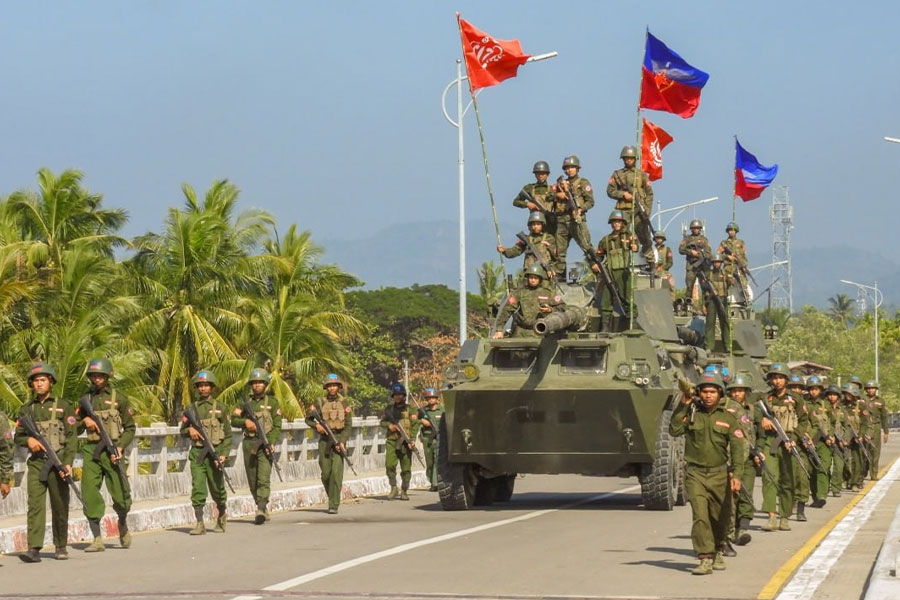
Military operations spread despite decline in clashes, BNI report finds
By Admin 17 Oct 2026
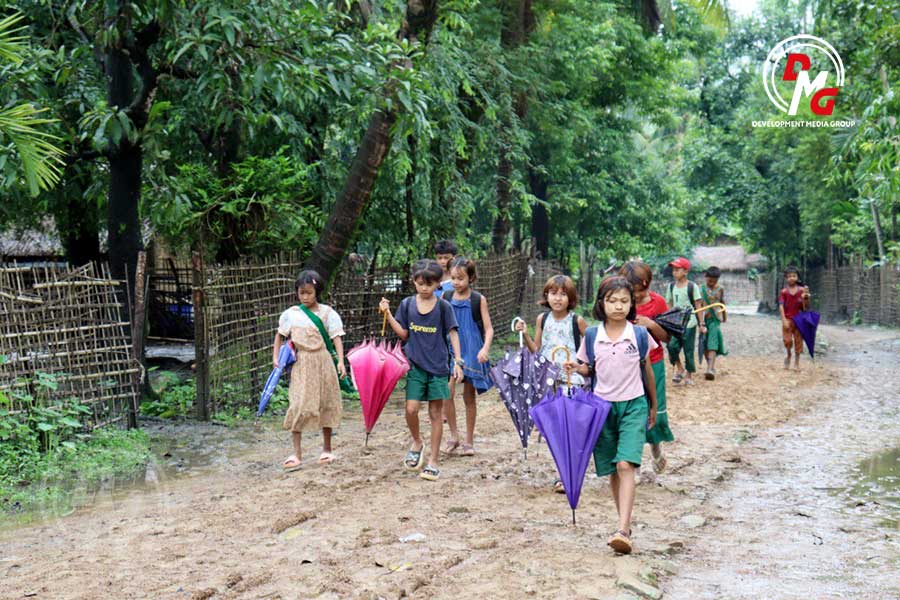
Junta aerial attacks force school closures across three Arakan townships
By Admin 17 Oct 2026

Family demands swift arrest of statutory rape suspect in Werathani
By Admin 17 Oct 2026
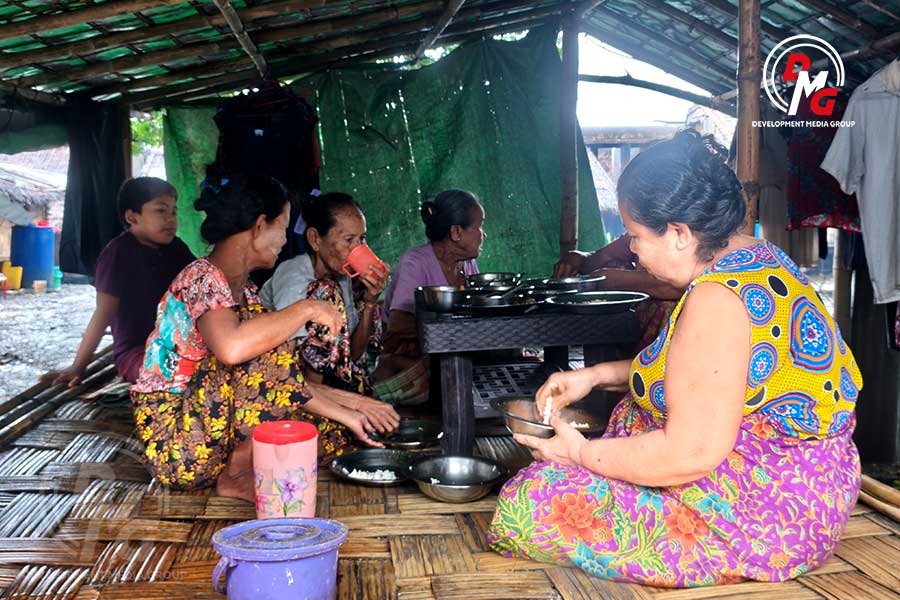
Women face shrinking employment opportunities in Myanmar, UNDP reports
By Admin 17 Oct 2026