

- Junta column heading toward Kyindwe suffers heavy casualties in resistance ambushes
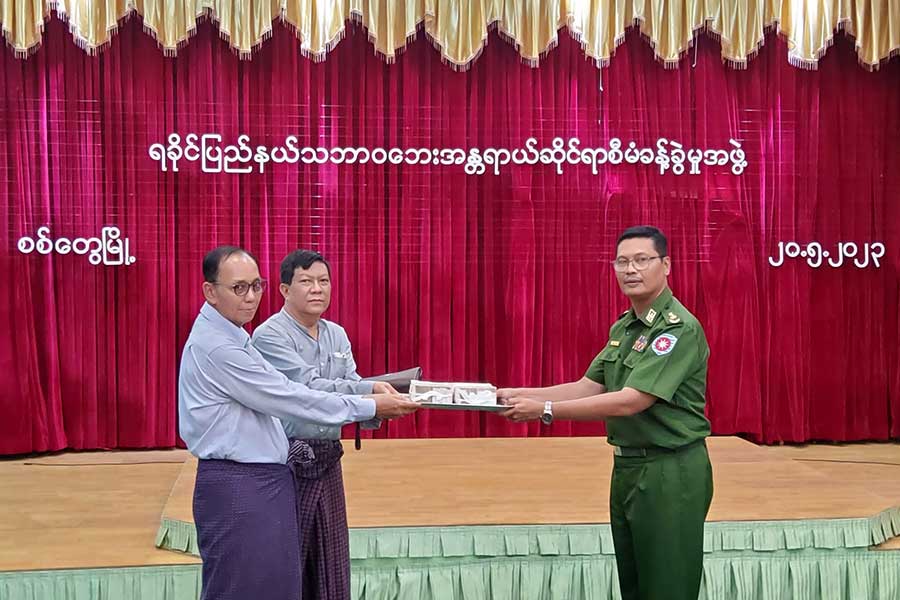
- Junta replaces Arakan State security minister amid escalating battles near Sittwe
- Junta Y-12 bombing raid injures two women in Anjanapura
- Two junta defectors urge conscripts to surrender to AA to save their lives
- NGO, INGO staff relocate to Yangon as fighting nears Sittwe
Basic education enrollment declines in Arakan State, ISP-Myanmar reports
Basic education enrollment is declining significantly in areas controlled by the Arakan Army in Arakan State, according to a report published this month by the Institute for Strategy and Policy-Myanmar (ISP-Myanmar) titled “ULA/AA’s Governance and Beyond-Control Challenges.”
18 Aug 2026
DMG Newsroom
18 August 2026, Mrauk-U
Basic education enrollment is declining significantly in areas controlled by the Arakan Army in Arakan State, according to a report published this month by the Institute for Strategy and Policy-Myanmar (ISP-Myanmar) titled “ULA/AA’s Governance and Beyond-Control Challenges.”
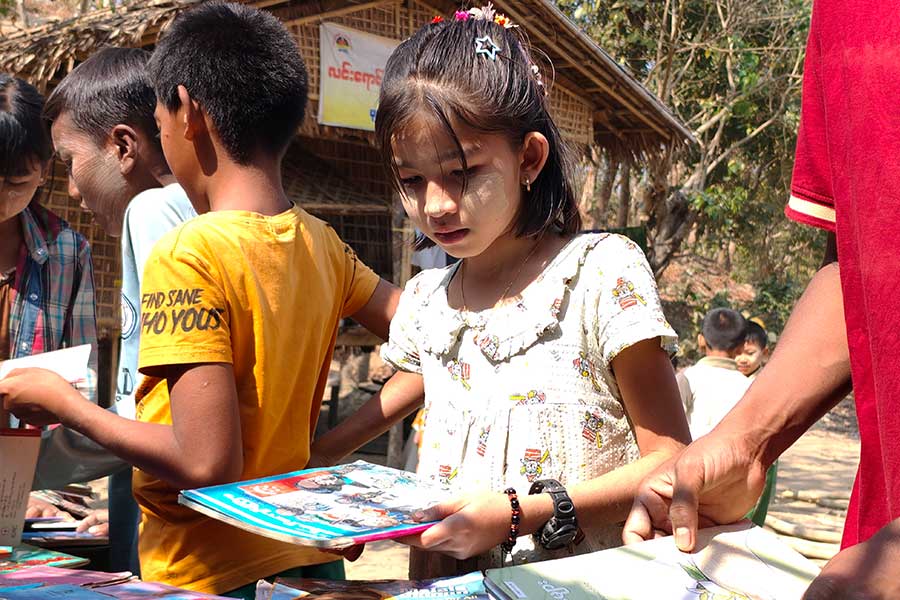
The report noted that primary school dropout rates are rising due to soaring costs of stationery and teaching supplies, while parents are also required to pay teacher salaries out of pocket.
"In the past, we didn’t have to pay tuition for public school, only for private tutoring. Now, we have to pay for both public school and tutoring. Relying on public school alone is no longer enough, and with school fees being so high, I had to take my daughter out of school. If public school were free like before, I would send her back," Daw Tin Tin Win from Phayargyi Village in Mrauk-U Township said.
Compounded by widespread job shortages and rising commodity prices, families in Arakan State are struggling to survive, forcing many students to leave school and help support their families.
Although an adult male earns an average daily income of around K30,000, it is insufficient to cover basic daily living expenses, leaving education and healthcare out of reach for many.
For a family with two students, monthly education expenses exceed K100,000, making it difficult for parents to cover the costs even for a single child.
"We can’t afford to buy textbooks. We have to borrow them from others. If my child is moving to fourth grade, I have to ask students who passed fourth grade for their old books. Last year, my son started first grade, but I couldn’t afford his textbooks, so he attended school without them. I couldn’t buy them this year either because they are too expensive. Even though I can’t afford it, I try my best to keep him in school because I want him to be educated," Daw Toe Toe Hlaing, a Sittwe native currently displaced in Ponnagyun Township, said.
According to figures from ISP-Myanmar, basic education enrollment in Arakan State stood at over 530,000 in 2021, dropping to over 370,000 in 2023 and falling further to around 300,000 in 2025, reflecting a continuous decline year after year.
Although the United League of Arakan (ULA) is attempting to systematically manage the education sector for the 2026-2027 academic year, it faces challenges such as a shortage of skilled staff and inadequate payroll systems.
Since the ULA is currently unable to pay salaries to education staff, school fees are being collected directly from parents to support teachers.
"Many children can’t attend school because the fees are too high. At the same time, it’s not feasible for teachers to teach without getting paid. Since the tax department hasn’t provided support, student dropout rates will likely increase further," a male staff member working under the ULA Education Department said.
Consequently, educators emphasize that to bolster the education sector, the ULA should provide subsidies for students and set appropriate salary rates for teachers.
Meanwhile, free schools opened across Arakan State are seeing growing student enrollments, which has led to high demand for school supplies amid a shortage of aid.
ISP-Myanmar highlighted that unless free basic education is guaranteed to reduce high dropout rates, Arakan State faces a long-term shortage of skilled workers and educated individuals.

Top News
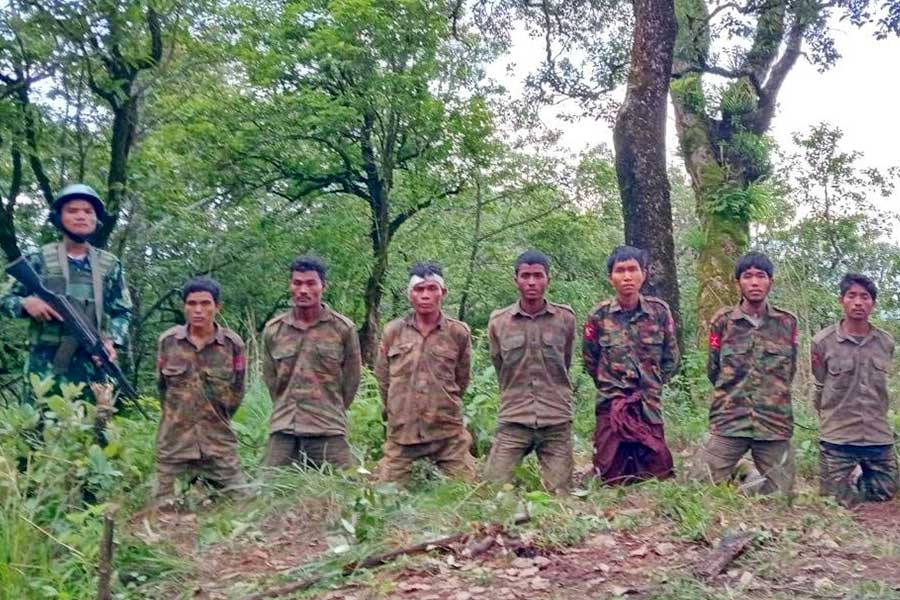
Junta column heading toward Kyindwe suffers heavy casualties in resistance ambushes
By Admin 22 Oct 2026
Junta replaces Arakan State security minister amid escalating battles near Sittwe
By Admin 22 Oct 2026
Junta Y-12 bombing raid injures two women in Anjanapura
By Admin 22 Oct 2026
People with disabilities in Arakan face deepening humanitarian crisis, CAS warns
By Admin 21 Oct 2026