
- Junta seeks foothold on strategic island in Kaladan River as Arakan Army counterattacks
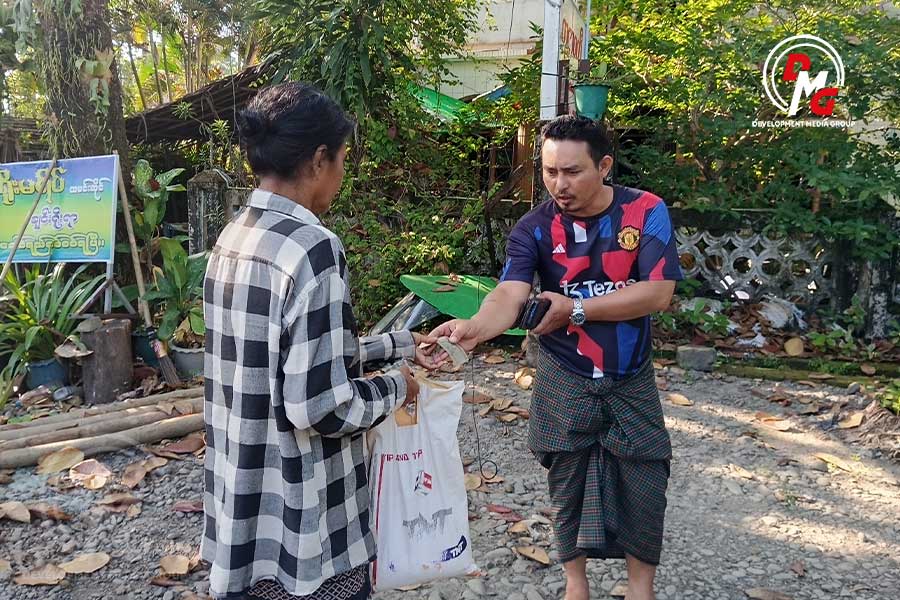
- Begging nearly doubles amid livelihood crisis in southern Arakan
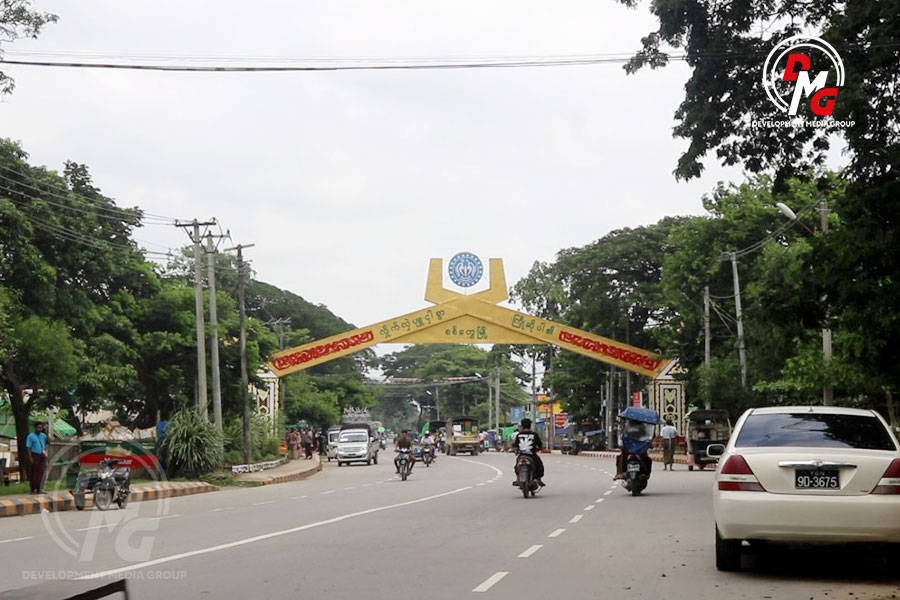
- Heavy fighting near junta-held Sittwe fuels fear as frontlines approach city
- Displaced civilians struggle to access healthcare after junta airstrike destroys Ponnagyun clinic
- Kyauktaw market closure disrupts trade and drives up prices across Arakan
India-supplied relief aid flows to IDPs in Buthidaung town
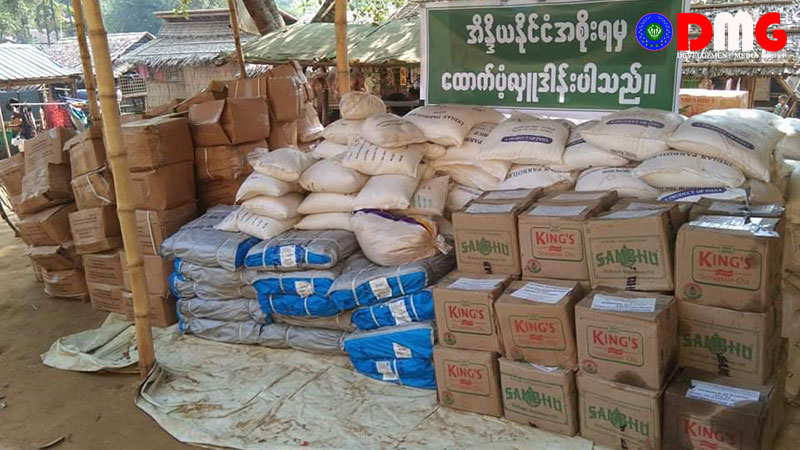
Food and non-food items donated by the Indian government for people internally displaced (IDPs) by conflict in Arakan State are being distributed in Buthidaung town this month.
07 Mar 2020
Wuntha (Maungdaw) | DMG
7 March, Buthidaung
Food and non-food items donated by the Indian government for people internally displaced (IDPs) by conflict in Arakan State are being distributed in Buthidaung town this month.
More than 11,000 refugees taking shelter at 22 IDP camps in Buthidaung town were provided the relief aid supplies beginning on March 5, said Buthidaung Township administrator U Shwe Hla Aung.
“Only two places have yet to be provided the relief aid supplies now,” U Shwe Hla Aung said.
IDPs were provided 32 tins of rice per person and a packing kit including eight items for household use, a liter of cooking oil and a sheet of tarpaulin.
While these aid supplies are being provided to IDPs, the Ministry of Social Welfare, Relief and Resettlement’s daily provision of two tins of rice per person has been suspended for two weeks, according to the IDP camps.
The abbot of the Yan Aung Myay Monastery, which is serving as one of Buthidaung town’s IDP “camps,” said the ministry’s aid provisioning should not be suspended. Sayardaw Ariyar Wuntha noted that IDPs always need food.
The Indian government has provided rice and other foodstuffs worth more than US$235,000 for IDPs in Arakan State.
The number of IDPs in Arakan State after more than a year of armed conflict between the Tatmadaw and Arakan Army has reached about 130,000, with many of the displaced taking refuge at monasteries or makeshift camps where tarpaulin tents are the predominating form of shelter. Provision of basic necessities such as food, clothing and healthcare remains inadequate for tens of thousands of those displaced.

Top News
Begging nearly doubles amid livelihood crisis in southern Arakan
By Admin 12 Oct 2026
Heavy fighting near junta-held Sittwe fuels fear as frontlines approach city
By Admin 12 Oct 2026
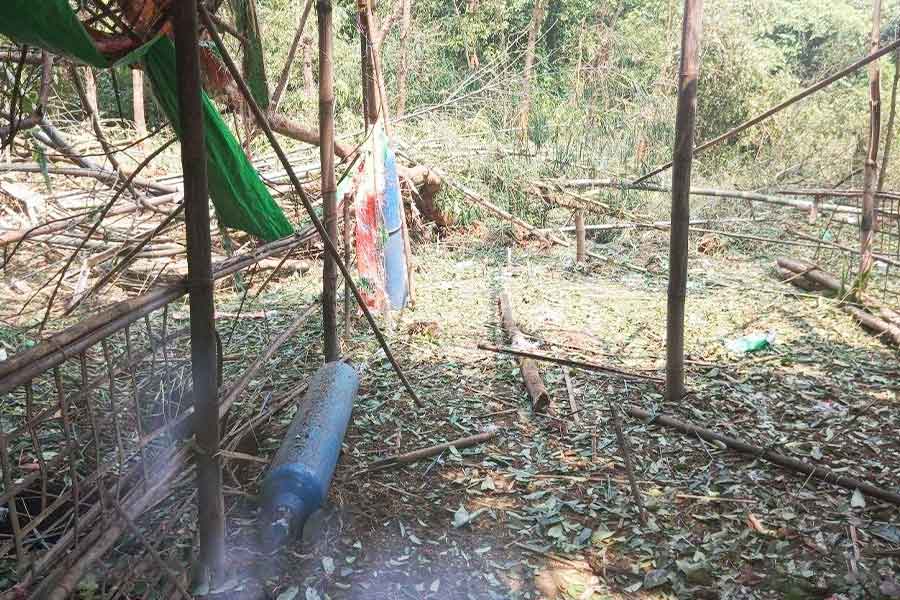
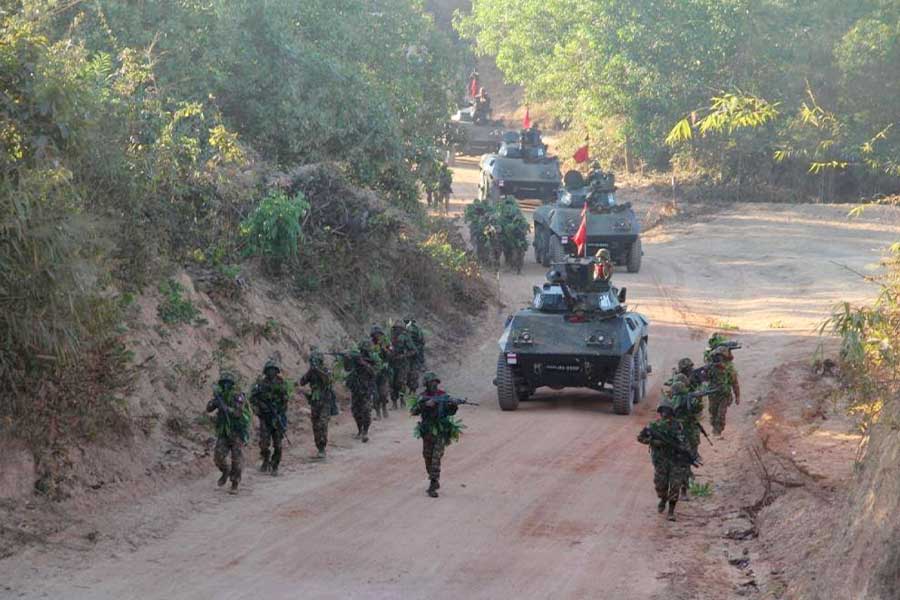
Four civilians killed in junta shellings in Ayeyarwady Region
By Admin 11 Oct 2026