

- Junta airstrikes on Ponnagyun IDP camps kill 15 civilians, injure 30: AAPP
- Myanmar junta airstrikes kill 163 civilians in September, Arakan hardest hit: MDSI
- Commodity prices rise in Ramree after Kyauktaw market bombing
- Junta intensifies offensive against resistance-held territory in strategic Sagaing town
- Fighting escalates in Sittwe as Arakan Army captures junta outposts
Diarrhoea cases surge in junta-held Sittwe amid movement restrictions
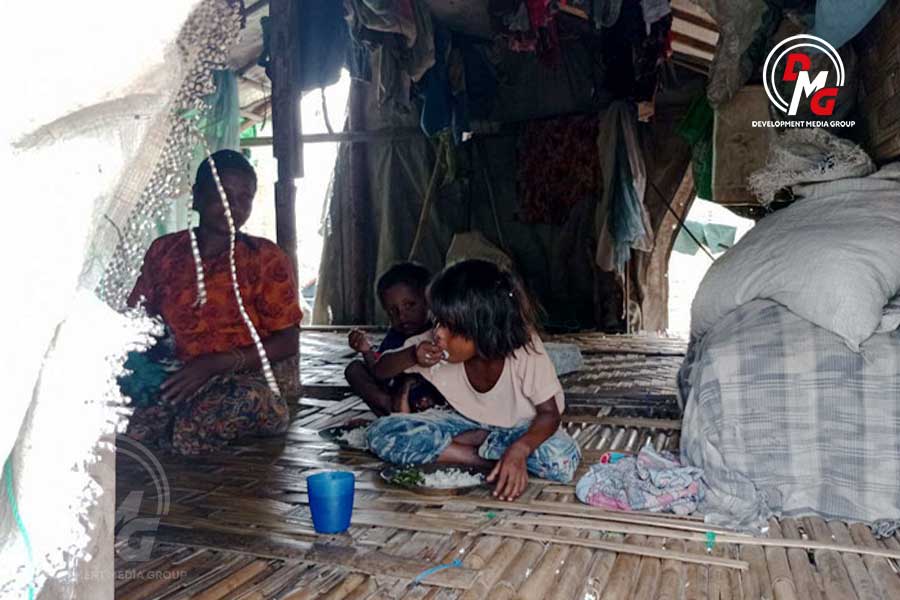
Diarrhoea cases are surging across Muslim villages and displacement camps in Sittwe Township, Arakan State, while the military junta has imposed strict movement restrictions, according to local residents.
03 Sep 2026
DMG Newsroom
3 September 2026, Sittwe
Diarrhoea cases are surging across Muslim villages and displacement camps in Sittwe Township, Arakan State, while the military junta has imposed strict movement restrictions, according to local residents.
Starting in the second week of August, diarrhoea cases were reported in Muslim villages, displacement camps, and several urban wards in the township, with the number of infected people now exceeding 200.
“Movement restrictions have been imposed since the diarrhoea outbreak began. The number of infected people is likely in the hundreds, and we face numerous hardships,” said a local Muslim man in Sittwe Township.
Residents said that while the military junta had already tightened security in urban areas, the current movement restrictions linked to the disease outbreak are creating severe obstacles to accessing medical treatment.
The diarrhoea outbreak in Sittwe Township has also resulted in fatalities, with the highest number of deaths reported in Muslim villages and displacement camps.
“There are organisations providing medical treatment to people living in displacement camps. However, some children without strong immunity have died. Most of those infected are now recovering,” another local Muslim man said.
Healthcare professionals warn that diarrhoea can spread through contaminated food and drinking water, posing life-threatening risks to people with weakened immune systems.
As the military junta maintains tightened security controls across Sittwe city, local residents continue to face critical challenges in accessing healthcare and meeting basic livelihood needs.

Top News
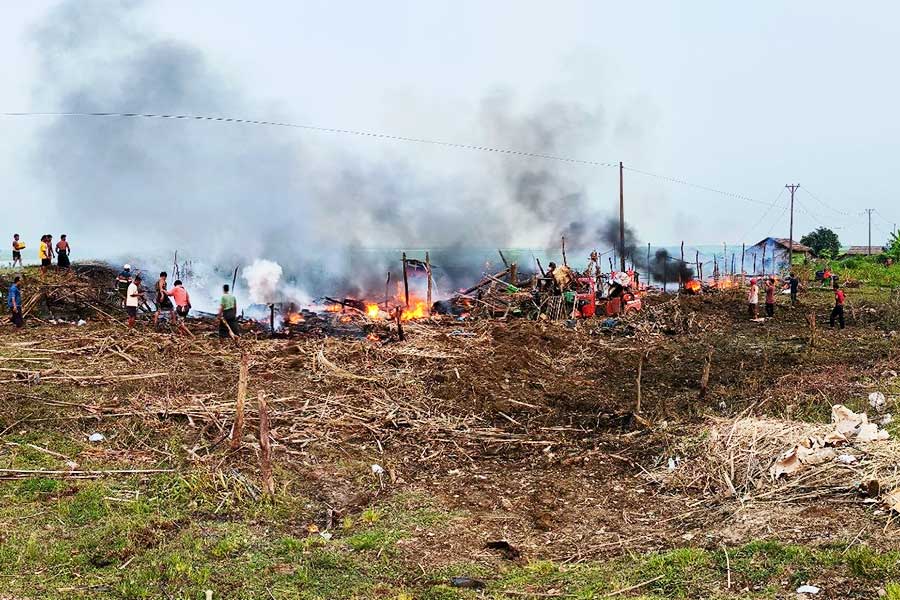
Junta airstrikes on Ponnagyun IDP camps kill 15 civilians, injure 30: AAPP
By Admin 14 Oct 2026
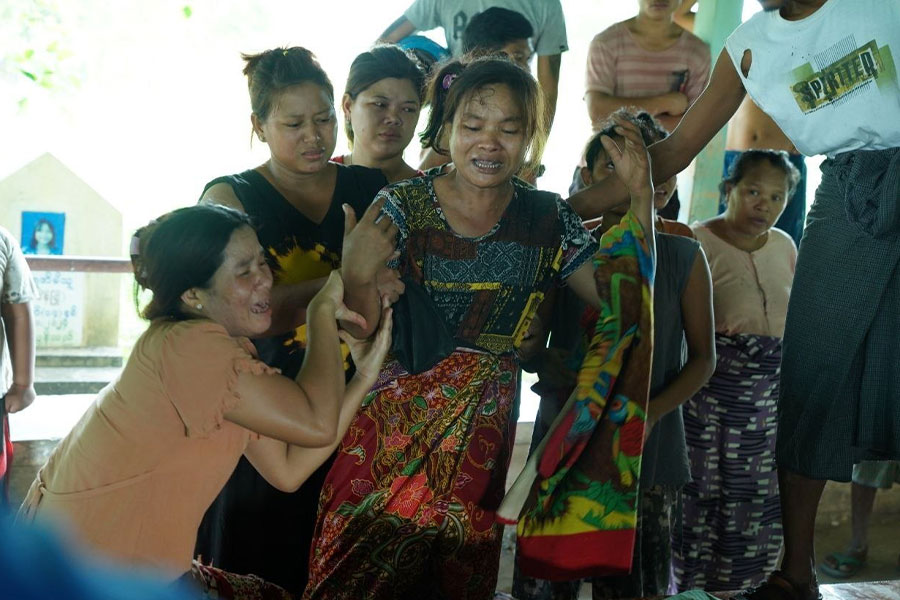
Myanmar junta airstrikes kill 163 civilians in September, Arakan hardest hit: MDSI
By Admin 14 Oct 2026
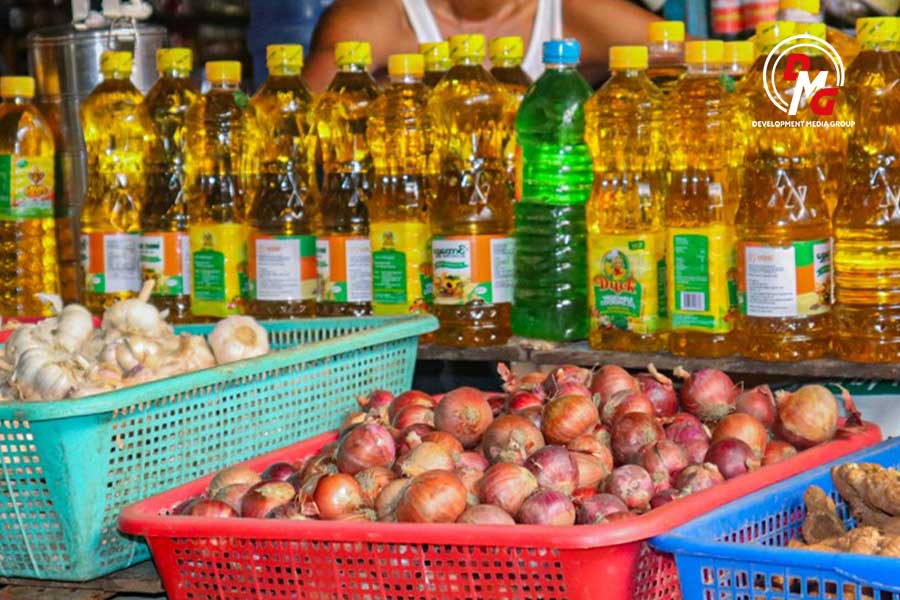
Commodity prices rise in Ramree after Kyauktaw market bombing
By Admin 14 Oct 2026
Fighting escalates in Sittwe as Arakan Army captures junta outposts
By Admin 13 Oct 2026