

- Arakan Army captures junta outposts as fighting intensifies near Sittwe
- Pro-junta ALP chair says NCA can shape Arakan’s future
- Extreme heat drives rise in clinic visits across Arakan
- Junta airstrikes on Ponnagyun IDP camps kill 15 civilians, injure 30: AAPP
- Myanmar junta airstrikes kill 163 civilians in September, Arakan hardest hit: MDSI
Extreme heat drives rise in clinic visits across Arakan
A sharp rise in temperatures across Arakan State in recent days has triggered widespread health problems among local residents, leading to a steady increase in visits to hospitals and clinics compared with previous periods.
15 Oct 2026
DMG Newsroom
15 October 2026, Mrauk-U
A sharp rise in temperatures across Arakan State in recent days has triggered widespread health problems among local residents, leading to a steady increase in visits to hospitals and clinics compared with previous periods.
Meteorologists have warned that a strong El Niño climate pattern developing in late 2026 could bring extreme weather conditions, including higher daytime temperatures and severe droughts.
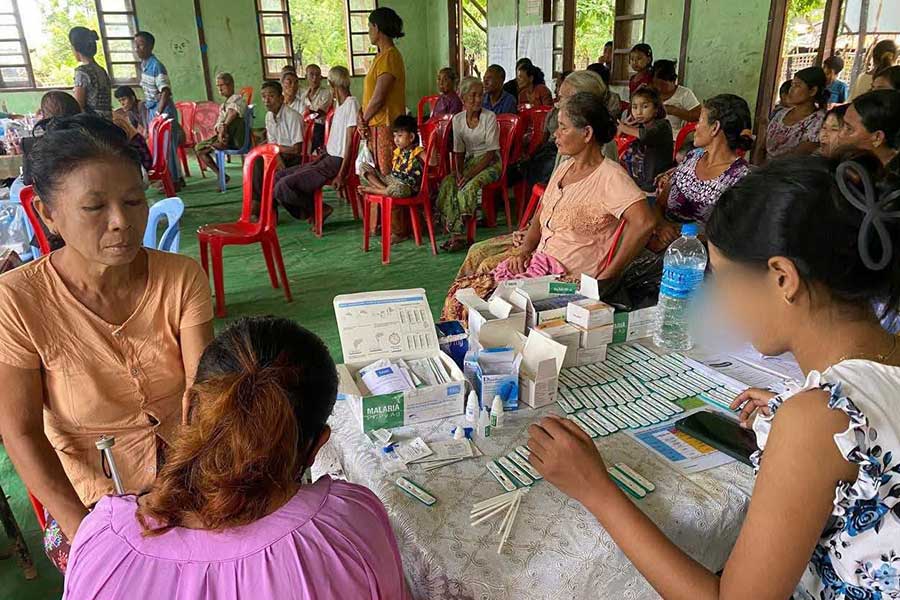
Healthcare facilities, hospitals and clinics across Arakan State report a growing influx of patients seeking treatment for heat related symptoms such as conjunctivitis, also known as pink eye, severe headaches, diarrhea and physical exhaustion.
“Due to the intense heat, people are coming to clinics with eye infections, low blood pressure, dizziness, headaches and other heat related conditions,” said a health worker associated with the United League of Arakan. “While the numbers are still manageable, cases are rising incrementally. If the heat intensity escalates further, patient numbers will undoubtedly surge.”
Data from the junta-controlled Department of Meteorology and Hydrology indicates that temperatures in Arakan State rose from 32 degrees Celsius on October 13 to 33 degrees Celsius on October 14, following a peak of 34 degrees Celsius recorded on October 12.
In response, health officials and medical professionals are urging the public to take precautionary measures, including drinking sufficient amounts of clean water and using oral rehydration salts (ORS) when needed, while avoiding direct exposure to sunlight whenever possible.
People with underlying cardiovascular conditions and high blood pressure are particularly vulnerable to dehydration and may experience symptoms such as profuse sweating, extreme exhaustion, nausea and severe headaches during periods of intense heat.
“Because of the intense heat, I broke out into cold sweats out of nowhere,” a female resident of Mrauk-U Township said. “Even after drinking oral rehydration solution, I felt so dizzy by nighttime that I couldn't get out of bed. When I went to a nearby clinic, the doctor told me it was caused by heat exhaustion.”
Medical professionals warn that prolonged exposure to high temperatures can cause health complications, including dizziness, severe headaches, heat exhaustion and diarrhea, and are urging the public to take extra precautions.
Vulnerable populations, including residents of overcrowded internally displaced persons camps, outdoor manual labourers and daily wage earners, face the highest risk of severe heat related complications.
The DMH previously issued advisories warning that the strong El Niño phenomenon expected in late 2026 could disrupt normal rainfall and storm patterns, cause unusually high temperatures during the summer and bring widespread drought, making early preparations necessary.
Meteorologists emphasize that the effects of El Niño on Myanmar's weather patterns during the 2026 to 2027 cycle will require continuous monitoring from the open dry season of 2026 through the pre monsoon period of 2027.

Top News
Arakan Army captures junta outposts as fighting intensifies near Sittwe
By Admin 15 Oct 2026

Pro-junta ALP chair says NCA can shape Arakan’s future
By Admin 15 Oct 2026
Extreme heat drives rise in clinic visits across Arakan
By Admin 15 Oct 2026
Cash withdrawal fees soar across Arakan State as trade with India slows
By Admin 14 Oct 2026
Military reshuffle may prolong junta rule and intensify war, analysts warn
By Admin 14 Oct 2026