
- Junta airstrikes on Ponnagyun IDP camps kill 15 civilians, injure 30: AAPP
- Myanmar junta airstrikes kill 163 civilians in September, Arakan hardest hit: MDSI
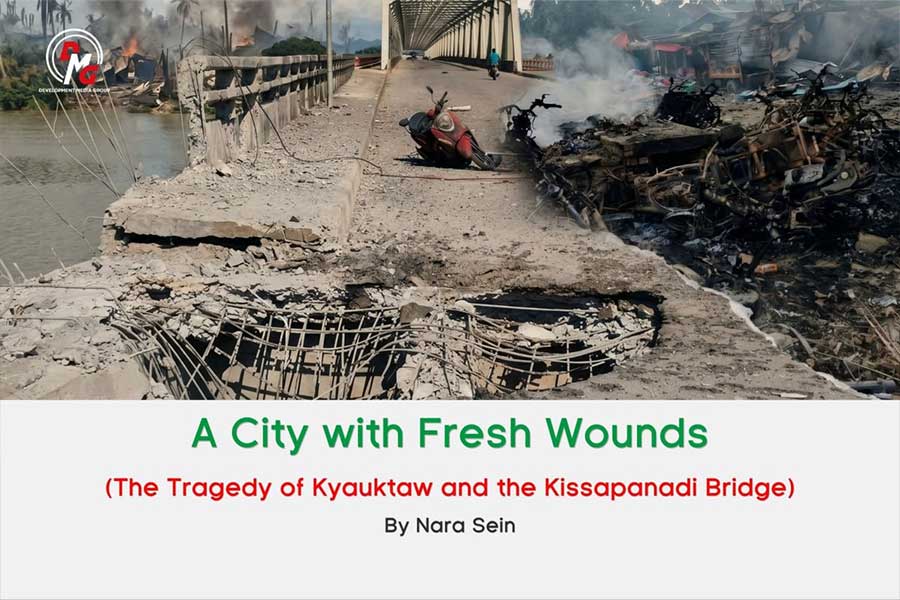
- Commodity prices rise in Ramree after Kyauktaw market bombing
- Junta intensifies offensive against resistance-held territory in strategic Sagaing town
- Fighting escalates in Sittwe as Arakan Army captures junta outposts
Financial hardships keep many children out of school in Arakan State
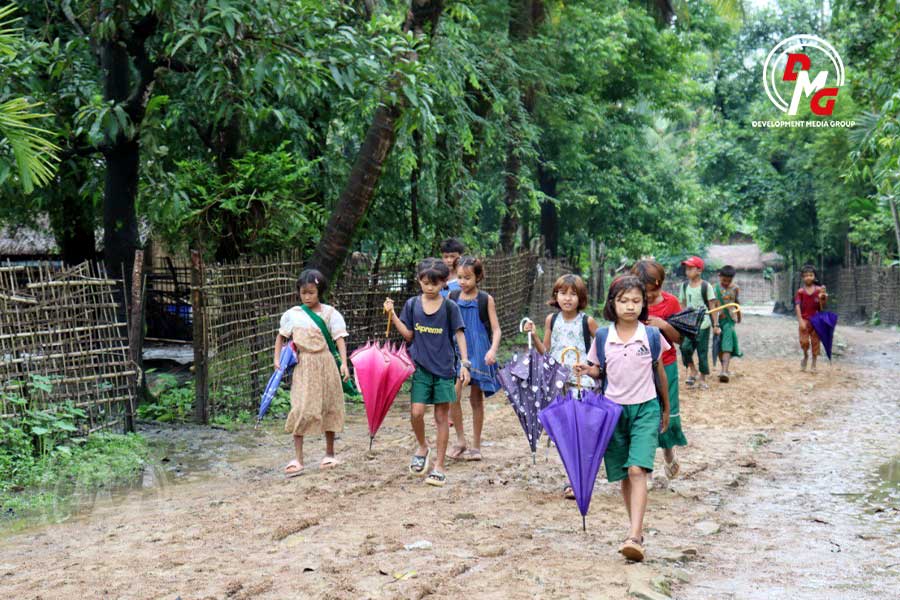
Although basic education schools have reopened for the 2026–2027 academic year in townships controlled by the Arakan Army in Arakan State, many children remain unable to attend due to financial difficulties faced by their families, according to local sources.
23 Jul 2026
DMG Newsroom
23 July 2026, Buthidaung
Although basic education schools have reopened for the 2026–2027 academic year in townships controlled by the Arakan Army in Arakan State, many children remain unable to attend due to financial difficulties faced by their families, according to local sources.
A parent from Kontan Village in Buthidaung Township said supporting a child's education has become increasingly difficult amid limited job opportunities and rising living costs.
"In a time with so few job opportunities, buying the necessary school supplies for a child is extremely expensive. Schooling costs are also a major burden. Between government school fees and private tuition fees, expenses are high. For low-income families like ours and households with many family members, the burden is even greater," she said.
Amid ongoing conflict, residents across Arakan State are facing widespread unemployment and rising commodity prices. Struggling to secure daily necessities, many families are finding essential services such as healthcare and education increasingly difficult to afford.
In areas under Arakan Army control, basic education fees have been set at K10,000 for primary students and K20,000 for middle school students, although exact costs vary by township.
"I have two children. One is in middle school, and supporting him costs at least K80,000 per month. The other is in primary school, costing at least K50,000 per month. At this rate, it will be very difficult to keep them in school," said Daw Ma Win, a parent from Ohpyintaung Village in Minbya Township.
Due to worsening economic pressures, some children have been forced to leave school and enter the workforce to help support their families.
Currently, daily earnings average around K30,000 for men and K20,000 for women, while daily household expenses for a family of five are around K50,000, leaving many households struggling to cover their basic needs.
"The children want to attend school, but due to the current economic hardship and rising commodity prices, parents simply cannot afford it. Some students attend for three or four months, but then their parents can no longer pay. They end up herding cattle, planting crops, or working as domestic helpers. There are many such students," said a teacher from Mrauk-U Township.
The Arakan Army, which controls most of the territory in Arakan State, has been establishing an administrative system and operating government departments.
While efforts are being made to reopen basic education schools and prevent children from losing educational opportunities, significant challenges remain, with many children continuing to face educational setbacks due to their families' economic hardships.

Top News
Junta airstrikes on Ponnagyun IDP camps kill 15 civilians, injure 30: AAPP
By Admin 14 Oct 2026
Myanmar junta airstrikes kill 163 civilians in September, Arakan hardest hit: MDSI
By Admin 14 Oct 2026
Commodity prices rise in Ramree after Kyauktaw market bombing
By Admin 14 Oct 2026
Fighting escalates in Sittwe as Arakan Army captures junta outposts
By Admin 13 Oct 2026