

- At least five injured in junta Y-12 airstrikes on Werathani villages
- Junta orders Sittwe residents to dismantle home bomb shelters
- Arakan records most armed incidents as 78 civilians killed across Myanmar: NLTA
- Y-12 aircraft, drones circle over Sittwe as clashes intensify
- Panic grips Sittwe after deadly reported Y-12 airstrike
Mosquito-borne diseases spread across remote Anjanapura area
Mosquito-borne diseases are spreading across several villages in the Panmyaunggyi Creek area of Anjanapura Township, an area controlled by the Arakan Army, according to local residents.
18 Aug 2026
DMG Newsroom
18 August 2026, Anjanapura
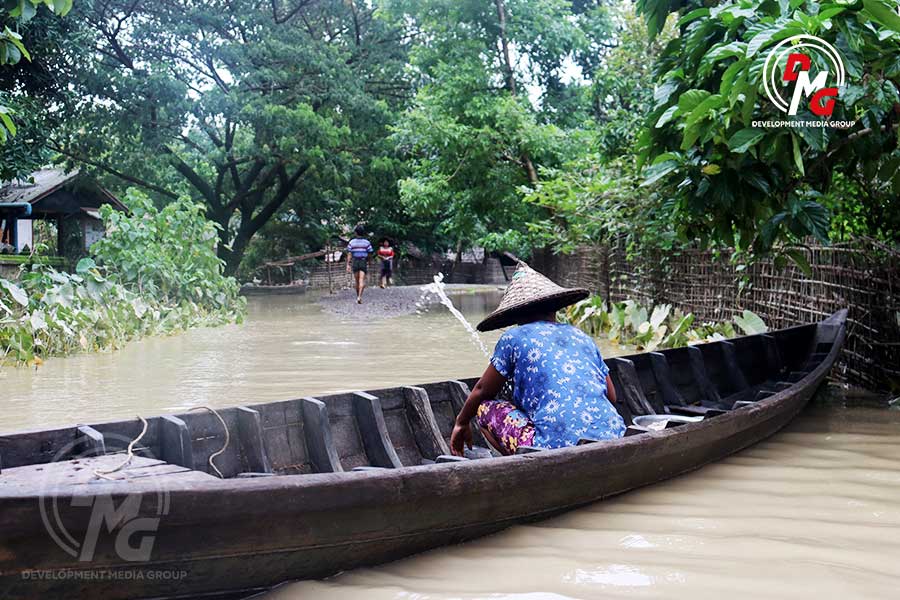
Mosquito-borne diseases are spreading across several villages in the Panmyaunggyi Creek area of Anjanapura Township, an area controlled by the Arakan Army, according to local residents.
Locals reported that affected individuals initially develop fevers accompanied by runny noses, coughing, sore throats, joint pain, vomiting and body tremors.
"This area is heavily forested and recently experienced flooding, which caused a huge surge in the mosquito population. Children come to school wearing short-sleeved shirts and get bitten by mosquitoes. Mosquito repellent sprays are no longer available like before, which is why school children are falling ill," a schoolteacher serving in the Panmyaunggyi Creek area said.
The Panmyaunggyi Creek area suffered severe flooding during heavy rains in early July.
Residents noted that rapid mosquito breeding following the floods led to widespread illness, raising serious concerns over malaria and seasonal influenza outbreaks.
In Ohpyintaung Village, which comprises around 280 households, nearly 80 residents are currently suffering from fever, according to local resident U Pe Than.
"Children are the most affected. Between my wife and me, I fell sick first. I recovered after taking medicine for about five days, but now my wife is sick," he added.
The Panmyaunggyi Creek area is a remote, densely forested region where high mosquito breeding rates cause annual seasonal outbreaks of malaria and flu during the rainy season.
With few hospitals or clinics nearby and significant distance from urban centers, healthcare access remains one of the biggest challenges for local communities.
"Most people along the Panmyaunggyi Creek are day labourers who rely on the forests for their livelihoods. They often sleep in the woods without mosquito nets. Being far from the town, medical supplies are scarce. We provide care as best we can with the limited medicines available, and severe cases are referred to town hospitals," a local healthcare worker in the Panmyaunggyi Creek area said.
Fearing a wider outbreak, residents across the Panmyaunggyi Creek area are calling for adequate healthcare assistance and medical supplies.
Cases of malaria, dengue fever and diarrheal diseases continue to rise across Arakan State during this year's monsoon season.

Top News
At least five injured in junta Y-12 airstrikes on Werathani villages
By Admin 24 Oct 2026
Junta orders Sittwe residents to dismantle home bomb shelters
By Admin 24 Oct 2026
Arakan records most armed incidents as 78 civilians killed across Myanmar: NLTA
By Admin 24 Oct 2026

Woman killed, two injured in junta airstrike on Ponnagyun Twsp village
By Admin 23 Oct 2026
Y-12 aircraft, drones circle over Sittwe as clashes intensify
By Admin 23 Oct 2026