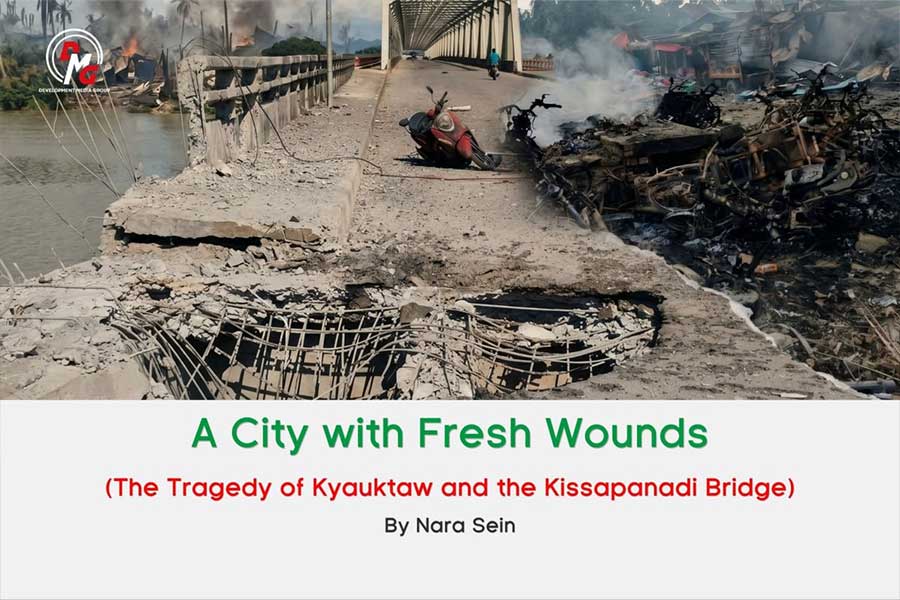


- Junta column heading toward Kyindwe suffers heavy casualties in resistance ambushes
- Junta replaces Arakan State security minister amid escalating battles near Sittwe
- Junta Y-12 bombing raid injures two women in Anjanapura
- Two junta defectors urge conscripts to surrender to AA to save their lives
- NGO, INGO staff relocate to Yangon as fighting nears Sittwe
Merchants struggle under NUG fuel transport restrictions in Arakan State
Merchants in Arakan State are reporting significant difficulties and delays in transporting fuel following new restrictions imposed by the National Unity Government (NUG).
12 Mar 2026
DMG Newsroom
12 March 2026, Kyauktaw
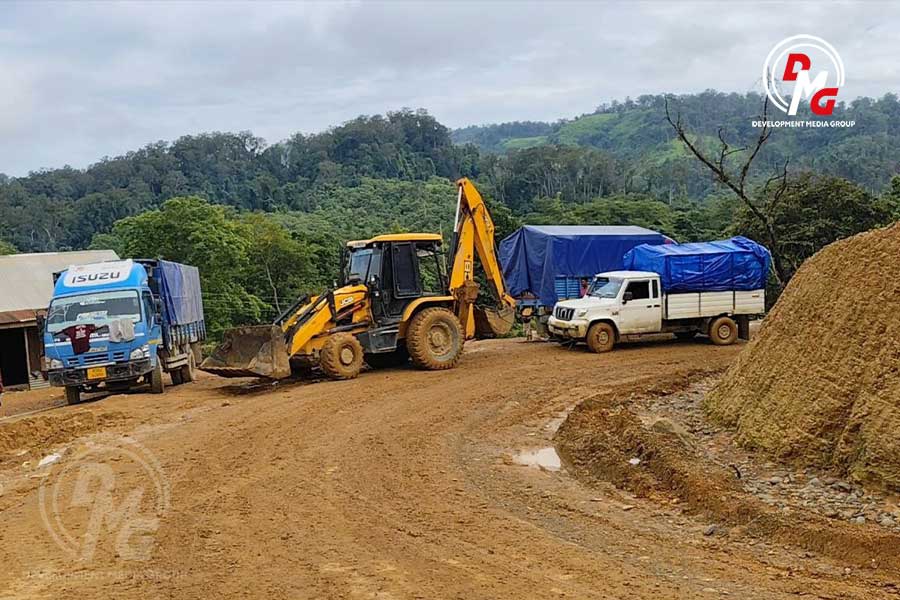
Merchants in Arakan State are reporting significant difficulties and delays in transporting fuel following new restrictions imposed by the National Unity Government (NUG).
The NUG announced that all fuel transported to Kachin, Chin, and Arakan States through its controlled territories now requires a transit permit from the Ministry of Home Affairs and Immigration.
Merchants say the multi-step process of obtaining these recommendation letters has created logistical bottlenecks and slowed distribution.
"Fuel prices are rising daily. Buyers must get recommendation letters from ward offices, and fuel retailers have to accompany them to secure these documents. After ward-level clearance, we still need approval from People’s Defence Force (PDF) offices before we can purchase the fuel," said an Arakanese fuel merchant.
Trade sources report that as of March 9, the price for a barrel of Octane 92 has surged to between K1.5 million and K1.6 million, while premium diesel is trading between K1.7 million and K1.8 million per barrel.
The NUG said the restrictions were introduced to manage local fuel supplies and prevent a domestic crisis, as global oil imports have declined due to the war in the Middle East.
"Delivering goods to Arakan State now requires clearances from both ward offices and NUG offices. Retailers face enormous challenges due to these requirements. Profits are shrinking, and commodity prices continue to rise," another merchant said.
Merchants are calling for a relaxation of the rules, noting that fuel from mainland Myanmar is already being transported through complex and challenging channels.
The Institute for Strategy and Policy – Myanmar (ISP-Myanmar) warned that the global fuel crisis, driven by the ongoing conflict in Iran, could severely disrupt Myanmar’s fuel imports and distribution, potentially triggering nationwide shortages.

Top News
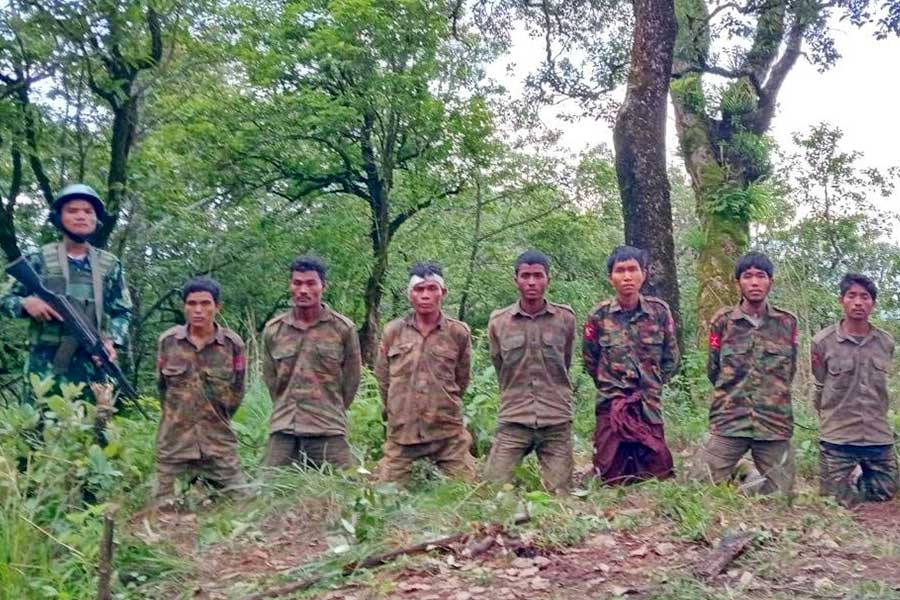
Junta column heading toward Kyindwe suffers heavy casualties in resistance ambushes
By Admin 22 Oct 2026

Junta replaces Arakan State security minister amid escalating battles near Sittwe
By Admin 22 Oct 2026
Junta Y-12 bombing raid injures two women in Anjanapura
By Admin 22 Oct 2026
People with disabilities in Arakan face deepening humanitarian crisis, CAS warns
By Admin 21 Oct 2026