

- Two Myebon fishermen missing after junta troops throw fishermen into sea
- Clashes intensify in Sittwe as junta naval forces renew assault on AA-held island
- Critical blood shortages threaten patients injured in junta airstrikes across Arakan
- Deadly junta airstrike leaves Kyauktaw daily-wage earners jobless
- India pushes to accelerate work on Kaladan road project in 2027 working season
Floods destroy small-scale livelihoods of Kyauktaw residents
Catastrophic flooding across at least 10 townships in Arakan State has submerged more than 300 wards and villages, affecting over 150,000 residents and destroying small-scale livelihoods.
16 Jul 2026
DMG Newsroom
16 July 2026, Kyauktaw
Catastrophic flooding across at least 10 townships in Arakan State has submerged more than 300 wards and villages, affecting over 150,000 residents and destroying small-scale livelihoods.
Local residents said the floods have damaged large areas of farmland, plantations and livestock, which serve as key sources of income for communities across Arakan State.
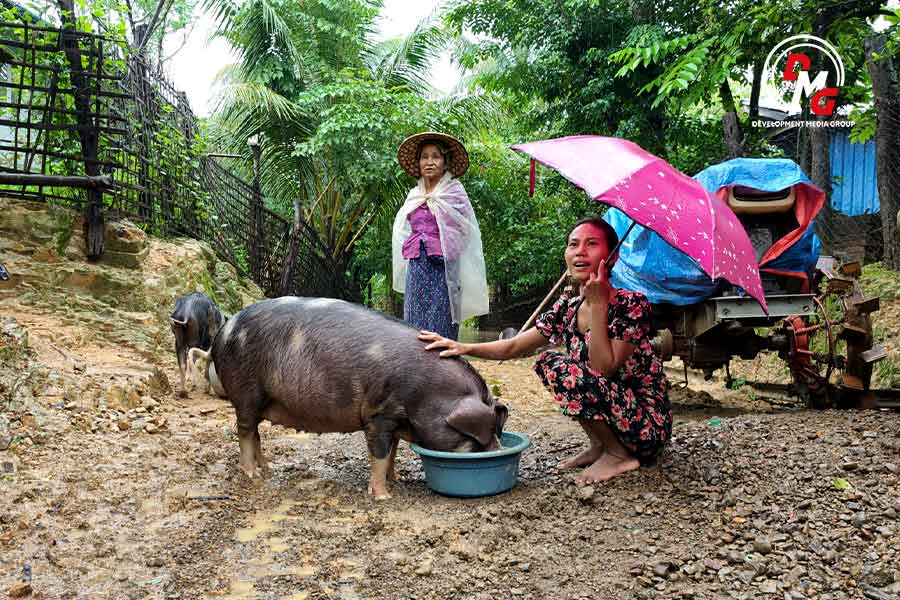
In the Yoe Creek area of Kyauktaw Township, more than 10 villages were severely affected by flooding. Residents told DMG that small livestock, including chickens, pigs, goats, buffaloes and cattle, died after being swept away by strong currents, starving, or suffering from exposure to cold conditions.
"Villagers have suffered huge losses. Some lost newborn piglets as well as adult pigs. Because the flooding occurred at night, we could not rescue the pigs in time. Many pigs and chickens were lost in the village," said Ma Than Than, a woman in her 30s from Panphechaung Village.
Floodwaters also submerged household granaries, destroying stored paddy. Panphechaung Village Administrator U Maung Phyu Shwe said at least 40 pigs died in the village alone.
"When the flash floods arrived, it was impossible to move the animals away, and they were swept away by the water. Even those that reached the main roads later died from severe cold exposure," he said.
Farmers estimated that thousands of acres of paddy fields across more than 10 villages in the Yoe Creek area could be destroyed after remaining submerged for over a week.
In Taungpauk Village, the entire community was inundated, killing chickens, pigs, goats and cattle, while several buffaloes and cows remain missing.
Ko Kyaw Aye, a Taungpauk resident, said plantations in the Yoe Creek area, including lime orchards, cucumber farms, ridge gourd farms and betel leaf plantations, were completely destroyed by floodwaters.
He added that the loss of these small-scale livelihoods has dealt a severe blow to residents of the remote Yoe Creek area, where transportation remains difficult.
With their livelihoods destroyed, many residents are now relying more heavily on nearby forests, collecting vegetables, cutting firewood and harvesting bamboo shoots to survive.
"If we collect bamboo shoots, we can earn around K15,000 a day, but it is not guaranteed. During the rainy season, people in this village survive by collecting bamboo shoots. In summer, they cut firewood. Those with some capital grow vegetables. For poor people, it is bamboo shoots during the monsoon and firewood in summer," U Aung Aung from Taungpauk Village told DMG.
The destruction of small-scale livelihoods caused by the floods has dealt another major blow to Arakan State's economy, worsening hardships for impoverished families already struggling amid a prolonged livelihood crisis.
Analysts said that while Arakan State's socio-economic conditions have already been severely affected by armed conflict, the latest natural disaster is likely to deepen the existing crisis.

Top News

Two Myebon fishermen missing after junta troops throw fishermen into sea
By Admin 09 Oct 2026

Clashes intensify in Sittwe as junta naval forces renew assault on AA-held island
By Admin 09 Oct 2026

Critical blood shortages threaten patients injured in junta airstrikes across Arakan
By Admin 09 Oct 2026
Arakan Army, allied resistance forces ambush junta columns in Indaw
By Admin 08 Oct 2026
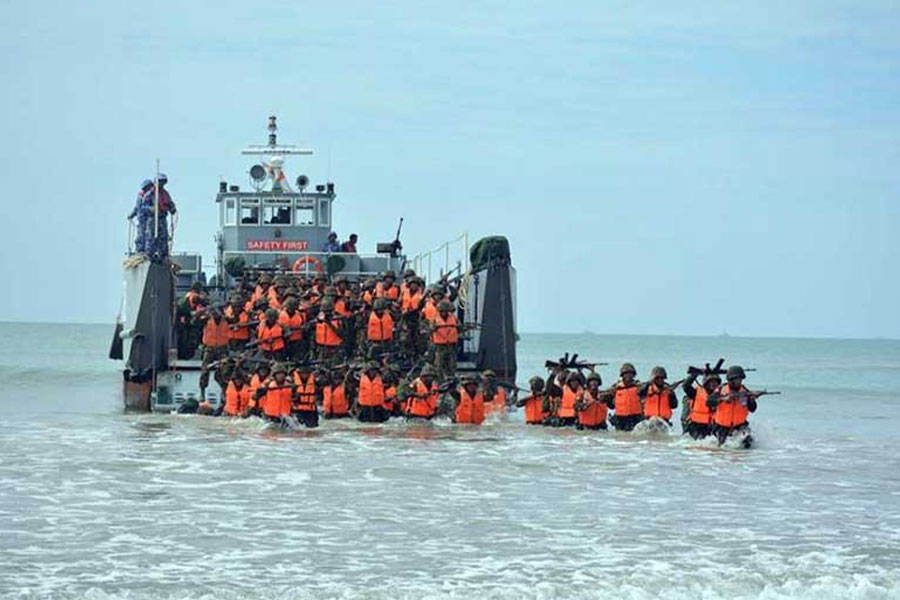
Junta amphibious landing attempt fails on AA-held island in Werathani Twsp
By Admin 08 Oct 2026