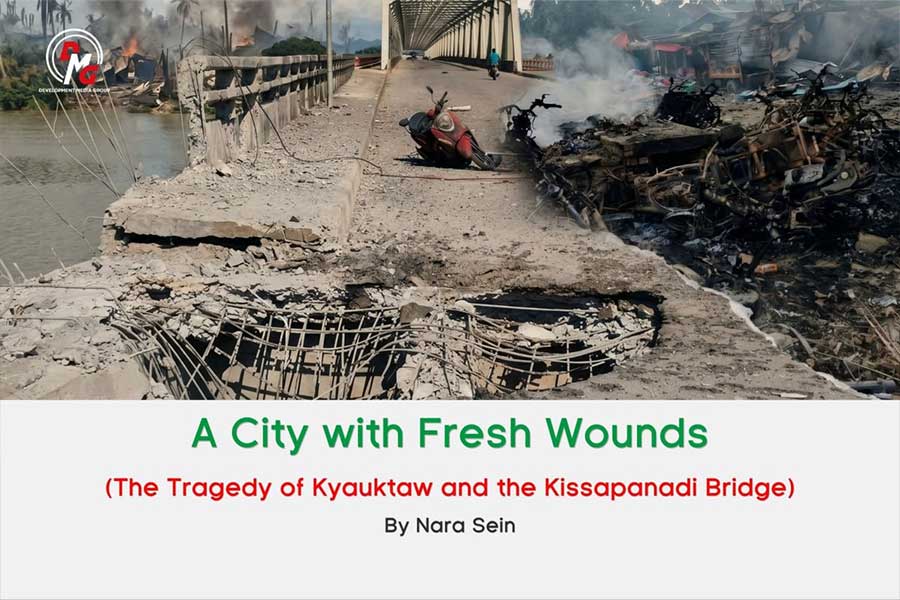


- Deadly junta airstrike leaves Kyauktaw daily-wage earners jobless
- India pushes to accelerate work on Kaladan road project in 2027 working season
- Junta launches fresh multi-aircraft bombardment of Kyauktaw mountain ranges
- Fierce combat erupts in Kyindwe, southern Chin State as resistance forces capture junta troops
- Malaysian firms linked to Myanmar military aviation supply chain: JFM
Health concerns grow in flood-affected Minbya Twsp villages
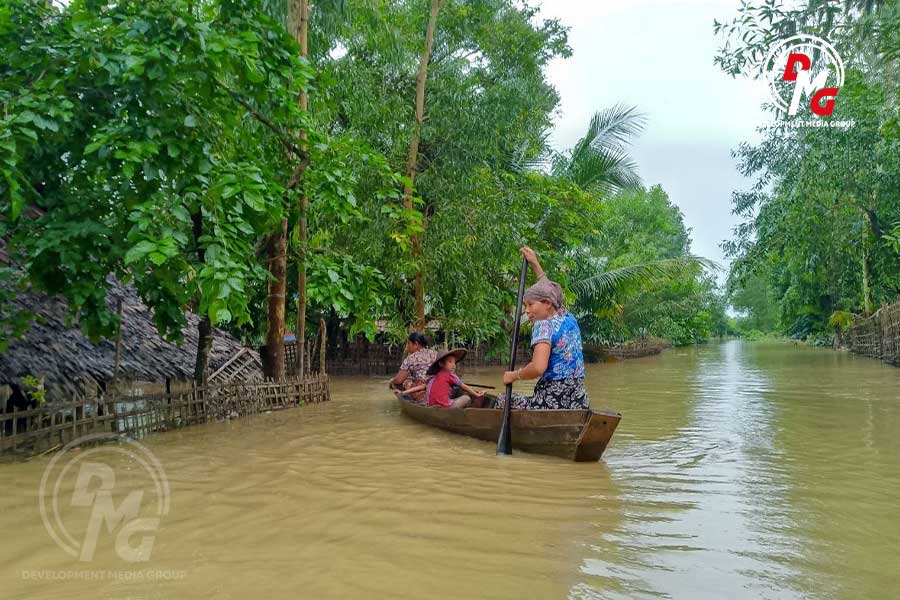
Health concerns are growing in villages in the Panmyaunggyi Creek area of Minbya Township, Arakan State, following severe flooding, according to local residents. Although floodwaters have receded, drinking water ponds remain contaminated with thick layers of silt and mud.
17 Jul 2026
DMG Newsroom
17 July 2026, Minbya
Health concerns are growing in villages in the Panmyaunggyi Creek area of Minbya Township, Arakan State, following severe flooding, according to local residents. Although floodwaters have receded, drinking water ponds remain contaminated with thick layers of silt and mud.
Residents say they are increasingly concerned about outbreaks of waterborne diseases such as diarrhea and dysentery, as well as mosquito-borne illnesses, after being forced to use unsafe water.
"We are facing immense risks regarding our drinking water. Some children are already developing skin rashes. Diarrhea and dysentery could break out at any moment. There are numerous secondary threats to worry about. Once people consume this contaminated water, they suffer from skin irritations, followed by gastrointestinal problems. This is highly alarming, especially for children," said U Maung Kyaw Aung, a healthcare worker from Ngatar Village.
Continuous heavy rainfall triggered flash floods that inundated nearly 20 villages in the Panmyaunggyi Creek area between July 7 and July 13, with water levels reaching up to 10 feet.
The flooding contaminated 17 drinking water ponds across the affected villages. While some residents are travelling to nearby mountains to collect spring water, others have no choice but to drink stagnant water from the contaminated ponds.
Most residents in the Panmyaunggyi Creek area in Minbya Township, rely on farming, crop cultivation and small-scale livestock breeding, while many also work as daily-wage labourers.
The floods destroyed granaries, damaged crop plantations and swept away livestock, including chickens, pigs and cattle, leaving many residents struggling to rebuild their livelihoods.
"Those who have no money rely entirely on odd jobs. Even after the floods, some villagers still have to go into the forests to collect bamboo shoots just to survive. The hardships are overwhelming. Right now, there are people trying to sell the bamboo shoots they have gathered," said Daw Oo Hla Aye, a resident of Ohpyintaung Village.
Although floodwaters have receded, residents said they continue to face serious health risks and livelihood hardships and remain in urgent need of assistance.
They are also calling on humanitarian organizations to help pump contaminated water out of village ponds, remove accumulated silt and implement mosquito-control measures before the monsoon season ends.

Top News
Deadly junta airstrike leaves Kyauktaw daily-wage earners jobless
By Admin 08 Oct 2026
India pushes to accelerate work on Kaladan road project in 2027 working season
By Admin 08 Oct 2026

Junta launches fresh multi-aircraft bombardment of Kyauktaw mountain ranges
By Admin 08 Oct 2026

Malaysian firms linked to Myanmar military aviation supply chain: JFM
By Admin 08 Oct 2026