
Mobile wallet suspensions trigger cash shortage, rising withdrawal fees in Arakan State
The suspension of numerous mobile wallet accounts has led to a severe cash shortage in areas controlled by Arakan Army (AA) in Arakan State, forcing money transfer agents to suspend services and driving up cash withdrawal fees, residents said on Tuesday.
16 Jun 2026
DMG Newsroom
16 June 2026, Kyauktaw
The suspension of numerous mobile wallet accounts has led to a severe cash shortage in areas controlled by Arakan Army (AA) in Arakan State, forcing money transfer agents to suspend services and driving up cash withdrawal fees, residents said on Tuesday.
The crisis escalated after Kanbawza (KBZ) Bank carried out a system upgrade on June 11.
Following the update, hundreds of digital merchant accounts widely used for money transfers and cash-out services were reportedly frozen or disabled, leaving large amounts of money inaccessible and causing losses for local agents.
The disruption has significantly affected the informal financial networks that support daily economic activity in the state.
"Cash has become extremely scarce in the local economy," said a female money transfer agent from Kyauktaw Township. "We can no longer process even small transfers, and the cost of obtaining physical cash has become too high."
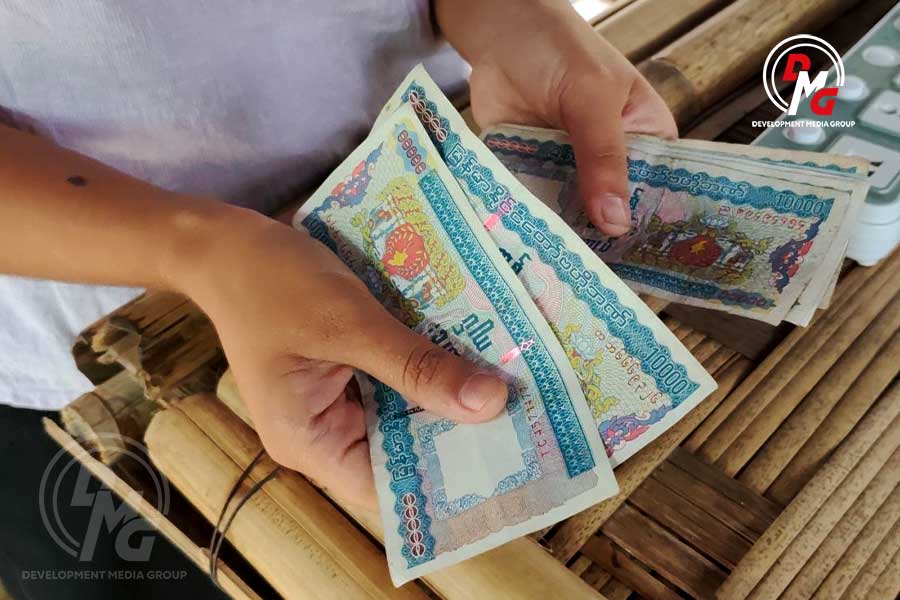
According to local sources, cash withdrawal fees through KBZPay and Wave Money previously ranged between 2.5 percent and 3.5 percent. Since the account suspensions, fees have risen to between 4.5 percent and 5 percent, meaning users may lose up to K5,000 when withdrawing K100,000.
Formal banking services in much of Arakan State ceased operating in late 2023 after the Arakan Army launched major offensives against the military regime.
As a result, residents have relied heavily on mobile financial services, including KBZPay and Wave Money, for domestic transactions and remittances from family members abroad.
Aid workers and civil society representatives warned that disruptions to these services could affect humanitarian assistance for people displaced by conflict.
"Arakan State is facing a large-scale displacement crisis," said a civil representative from Minbya Township. "Many internally displaced people depend on support from family members living abroad. With these merchant accounts blocked, the transfer of emergency funds is being delayed. A remittance of K1 million now costs as much as K70,000 to withdraw, reducing the value of assistance reaching families in need."
With access to digital financial services restricted, local economic activity is increasingly dependent on the limited supply of physical cash available in the state.
Money transfer agents said the higher withdrawal fees do not result in greater profits, as they are forced to purchase cash at inflated rates from private sources to maintain liquidity.
Residents said rising withdrawal fees and cash shortages are having the greatest impact on daily wage workers and people living in rural communities.
With few employment opportunities available locally, many households across Arakan State rely on remittances from abroad to meet their basic needs.

Top News
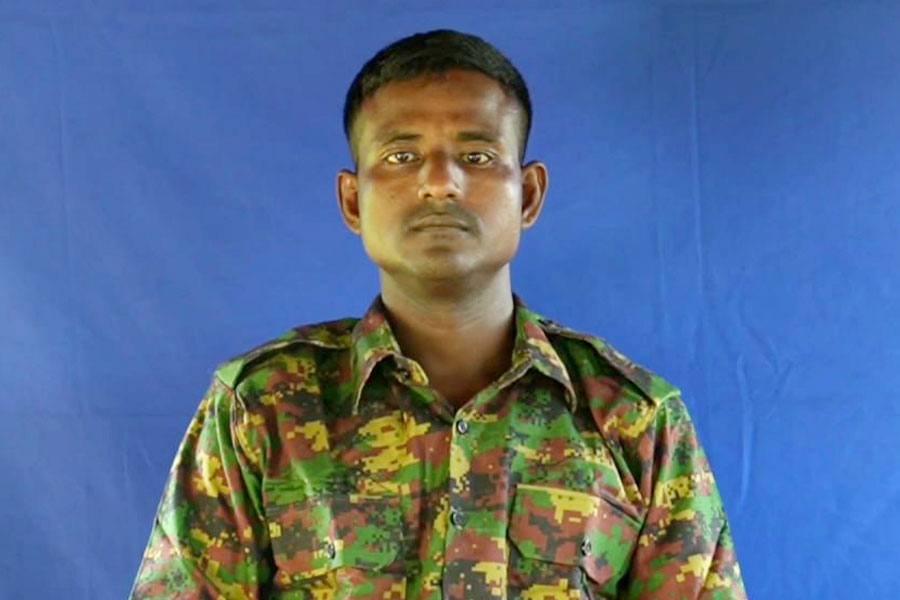
Two junta defectors urge conscripts to surrender to AA to save their lives
By Admin 21 Oct 2026
NGO, INGO staff relocate to Yangon as fighting nears Sittwe
By Admin 21 Oct 2026
Hindu devotees scale back Shanti Mata festival amid airstrike fears
By Admin 20 Oct 2026
.jpg)
Junta aircraft drop over 20 bombs in Kyauktaw
By Admin 20 Oct 2026
18 journalists remain detained in Myanmar, Athan reports
By Admin 20 Oct 2026