
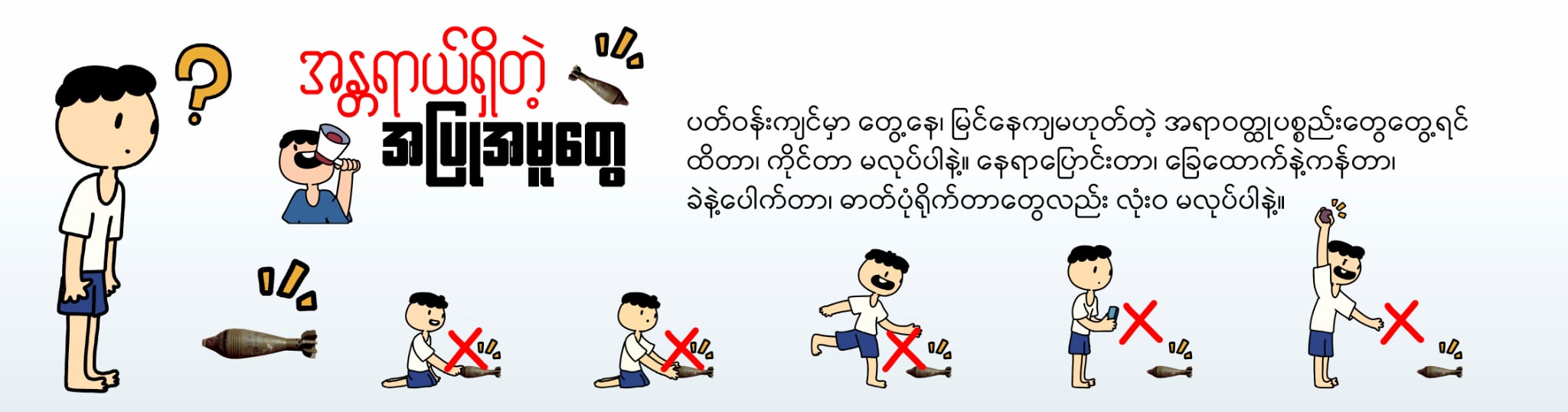

- ULA warns Arakan residents of airstrike risks during Thadingyut festival
- Months-long internet blackout drives up costs for residents of Thandwe and Gwa
- At least five injured in junta Y-12 airstrikes on Werathani villages
- Junta orders Sittwe residents to dismantle home bomb shelters
- Arakan records most armed incidents as 78 civilians killed across Myanmar: NLTA
Bangladesh on the Brink: What Osman Hadi’s Death Reveals About a Nation at War With Itself
Hadi, who was widely embraced as a parliamentary candidate representing a new, reform-driven generation, died on December 18 after being shot by unknown gunmen in central Dhaka three days earlier. His assassination has ignited a firestorm that now engulfs the streets of Bangladesh’s capital — a storm fueled by grief, rage, and suspicion.
23 Dec 2025
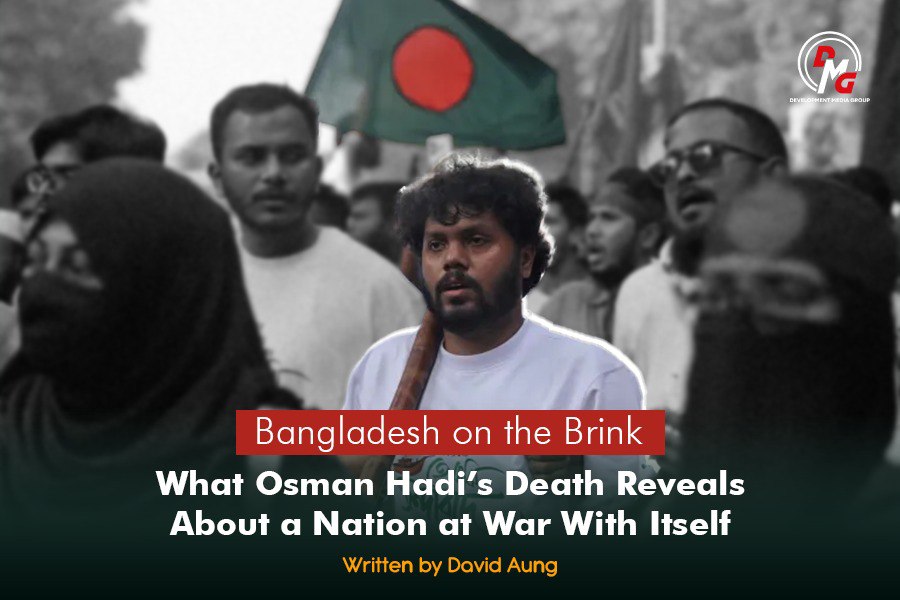
Written by David Aung
Bangladesh has seen political assassinations before. It has seen uprisings, military interventions, student revolts, and bitter electoral battles. But the killing of Osman Hadi — a young poet-turned-student leader who had become a powerful symbol of generational hope — has struck at the very core of the country’s political future. His death did not simply silence a rising voice; it has shaken the foundations of Bangladesh’s democratic aspirations.
Hadi, who was widely embraced as a parliamentary candidate representing a new, reform-driven generation, died on December 18 after being shot by unknown gunmen in central Dhaka three days earlier. His assassination has ignited a firestorm that now engulfs the streets of Bangladesh’s capital — a storm fueled by grief, rage, and suspicion.
Today, as Bangladesh prepares for Hadi’s state-level funeral at Dhaka University, the question is no longer merely who killed him. The question is whether Bangladesh’s political system can withstand the shockwaves of his death.
A Young Leader Cut Down, and a Nation Erupts
Osman Hadi’s journey to political prominence was anything but conventional. Before entering politics, he was known across the country as a poet and writer whose revolutionary verse resonated with young people yearning for dignity and change. During the student uprisings of 2024, his leadership galvanized a new political consciousness — one that challenged old networks of power and corruption.
This made him not only popular, but threatening.
When armed men approached him on December 15 and fired a bullet into his head at close range, many Bangladeshis feared the worst: that this was not random violence, but targeted political elimination.
Within hours, Dhaka’s streets filled with tens of thousands of furious citizens. But what followed illustrates a deeper problem — the collapse of public trust in institutions that once anchored Bangladesh’s democracy.
Storming Newsrooms: The Media Becomes a Battleground
The attacks on the offices of The Daily Star and Prothom Alo — two of Bangladesh’s most prominent newspapers — mark a disturbing escalation. Protesters accused them of being aligned with India, of concealing “the real truth,” and of serving foreign interests rather than Bangladesh’s people.
The violent destruction of media offices is a symptom of a larger crisis: an information ecosystem collapsing under the weight of political polarization, propaganda wars, and severely eroded trust.
In a country where the media has long operated under pressure from political and business elites, Hadi’s death has turned simmering anger into open revolt. Some see the attacks as an assault on press freedom; others view them as a symbolic uprising against powerful interests that have dominated the country’s politics for decades.
Either way, the message is clear: Bangladesh’s information landscape is fracturing — and no one is standing above the fray.
An Interim Government Under Deeper Pressure
The interim administration led by Dr. Muhammad Yunus is now struggling to maintain order. Its announcement of a 5-million-taka reward for information on the assassin has done little to calm public anger or restore faith in the state’s investigative capacity.
CCTV footage shows a masked man escaping on a motorcycle — a detail that raises more questions than answers. Many believe the government lacks both the power and the political will to get to the bottom of the killing.
The stakes could not be higher. Bangladesh is preparing for an election already marred by mistrust, factionalism, and allegations of foreign interference. Hadi’s assassination risks delegitimizing the process entirely — unless the state can demonstrate impartiality and competence in its investigation.
A Nation Divided Between the Street and the Ballot Box
Bangladesh is now caught between two competing realities.
On one side are the masses in the streets — energized, grieving, and increasingly distrustful of institutions. They see Hadi’s death not as an isolated act but as part of a broader pattern of silencing emerging leaders and maintaining elite dominance.
On the other side is the formal political process, struggling to preserve credibility in an atmosphere of fear and chaos. The interim government’s authority is weakening. Opposition groups are regrouping. Anti-India sentiment — long a sensitive fault line — is reaching new heights.
And woven through all of this is the question no one can avoid: Will Bangladesh’s next election reflect the will of its people, or the power of those who wield violence?
The Larger Meaning of Hadi’s Death
Osman Hadi was not just a young political candidate. He represented something much larger — a rare convergence of cultural charisma, civic courage, and public trust. His emergence symbolized the possibility of a new political class rooted not in dynasties, business empires, or foreign alliances, but in youth activism and intellectual freedom.
His death threatens to reverse that momentum.
Yet it has also revealed a generational awakening. In Dhaka, Chittagong, Rajshahi, Sylhet, and Mymensingh, young people are not waiting for political parties to lead them. They are asserting themselves — demanding justice, accountability, and a political system that does not punish idealism with bullets.
If Bangladesh’s political elites fail to recognize this shift, they may find themselves facing a far more disruptive force than any election: a youth movement that no longer believes in the legitimacy of the system.
A Crossroads With Global Implications
Bangladesh’s crisis is not an isolated domestic matter. Instability in a country of 170 million affects regional security, trade corridors, migration flows, and global supply chains.
International actors — including the UN, rights groups, donor states, and South Asian regional blocs — cannot treat Hadi’s death merely as a tragic headline. It is a warning signal of a nation slipping into instability at a critical geopolitical moment.
The Path Forward
Tomorrow, as Hadi’s funeral procession moves through Dhaka University, Bangladesh will be watching itself. Will the day pass in solemn unity? Or will the flames and fury intensify?
The answer may shape not just the aftermath of a single assassination, but the trajectory of Bangladesh’s political future.
For now, one truth remains undeniable: A bullet may have ended Osman Hadi’s life, but it has unleashed questions that no government can ignore — questions about power, justice, youth, and the fragile promise of democracy itself.

Opinion
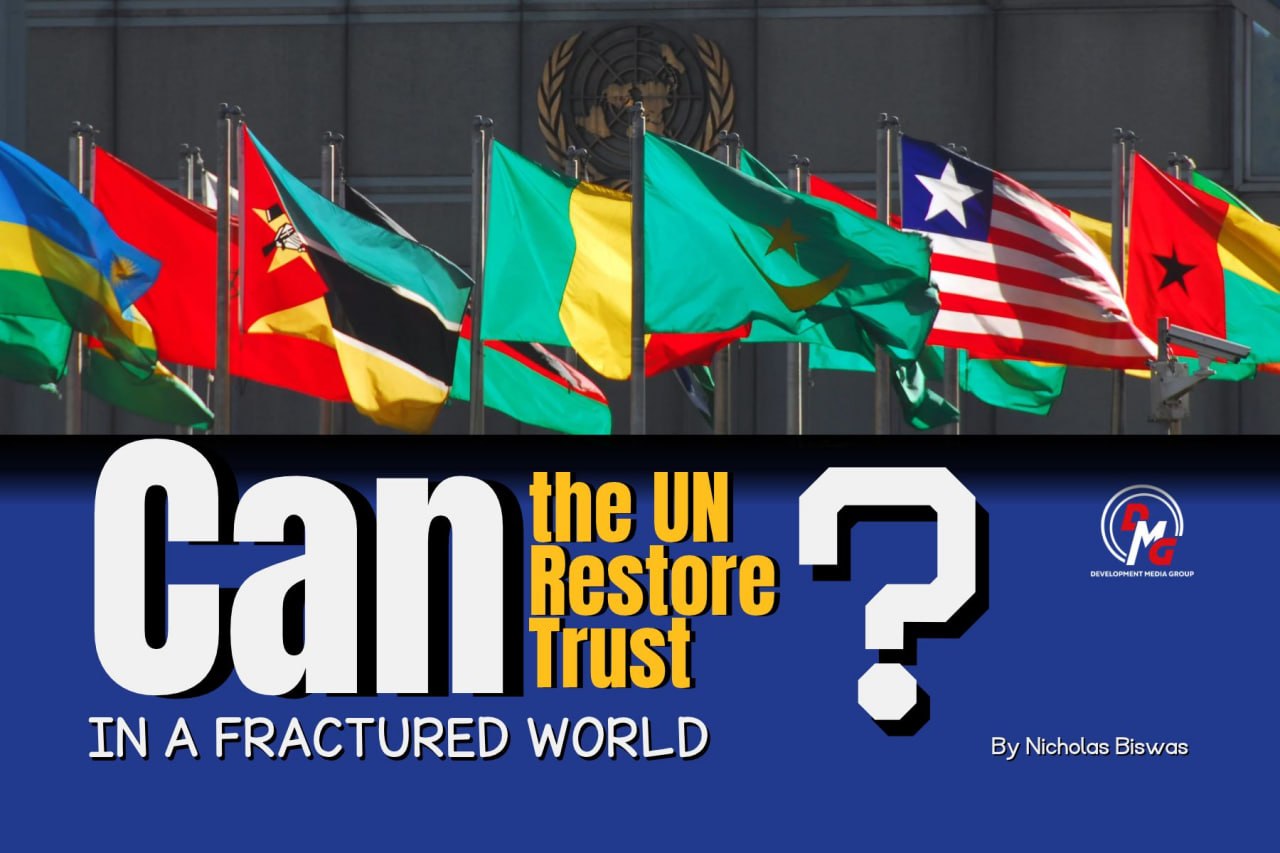
Can the UN Restore Trust in a Fractured World?
By Admin 23 Oct 2026
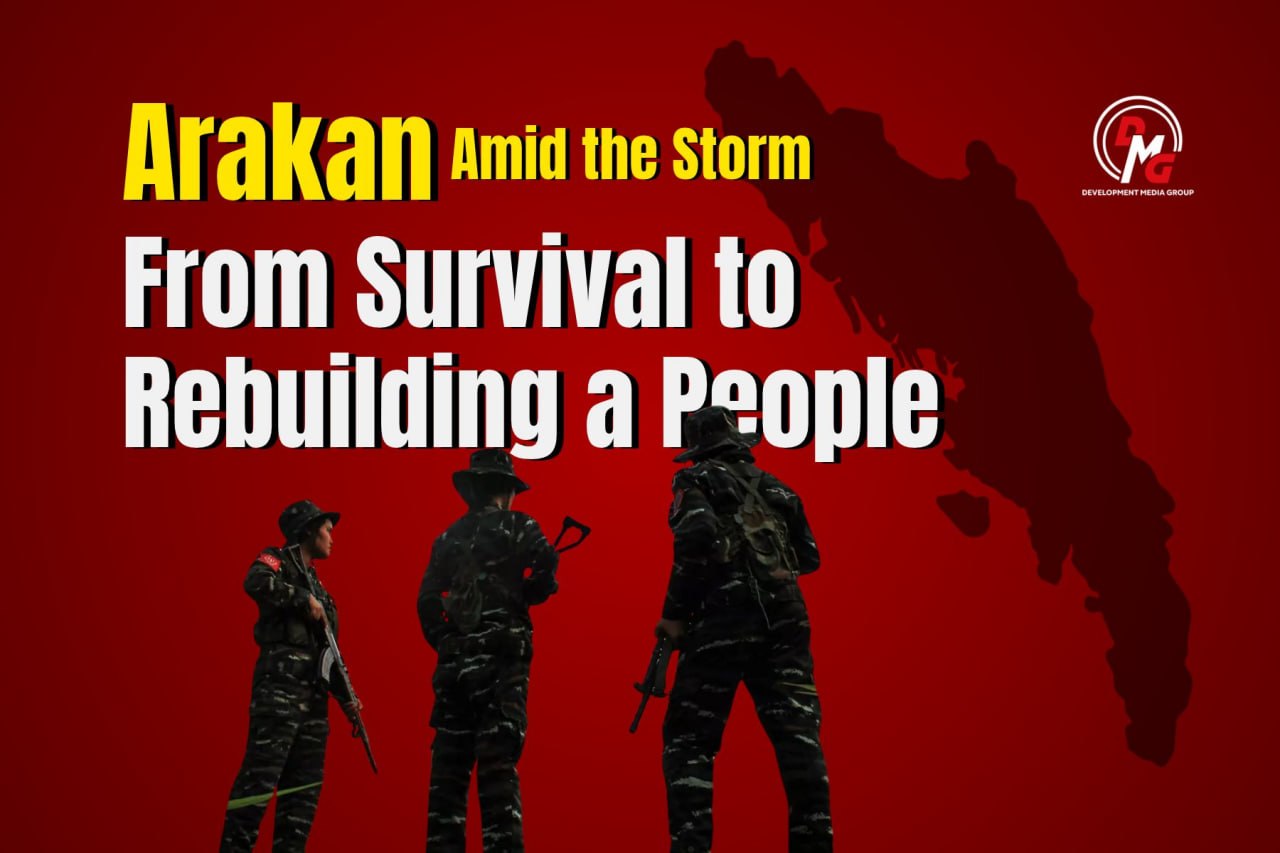
Arakan Amid the Storm: From Survival to Rebuilding a People
By Admin 22 Oct 2026
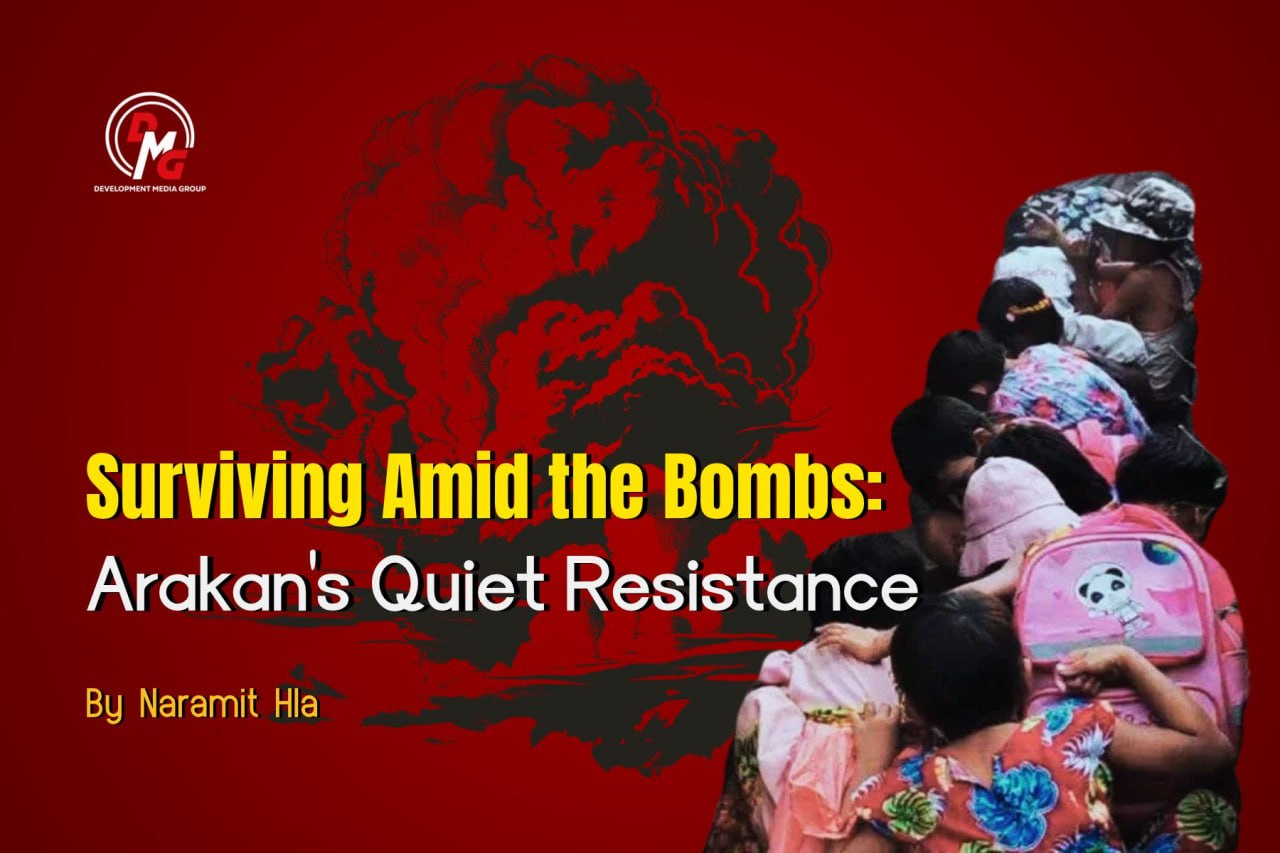
Surviving Amid the Bombs: Arakan's Quiet Resistance
By Admin 19 Oct 2026
Shadows Over Childhood: Confronting the Reality of Missing Children
By Admin 16 Oct 2026
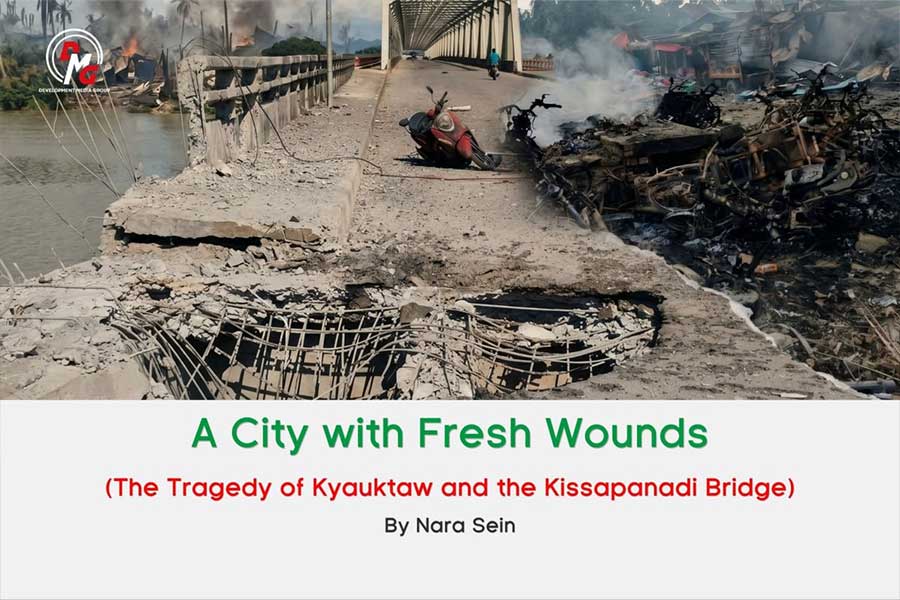
A City with Fresh Wounds (The Tragedy of Kyauktaw and the Kissapanadi Bridge)
By Admin 01 Oct 2026
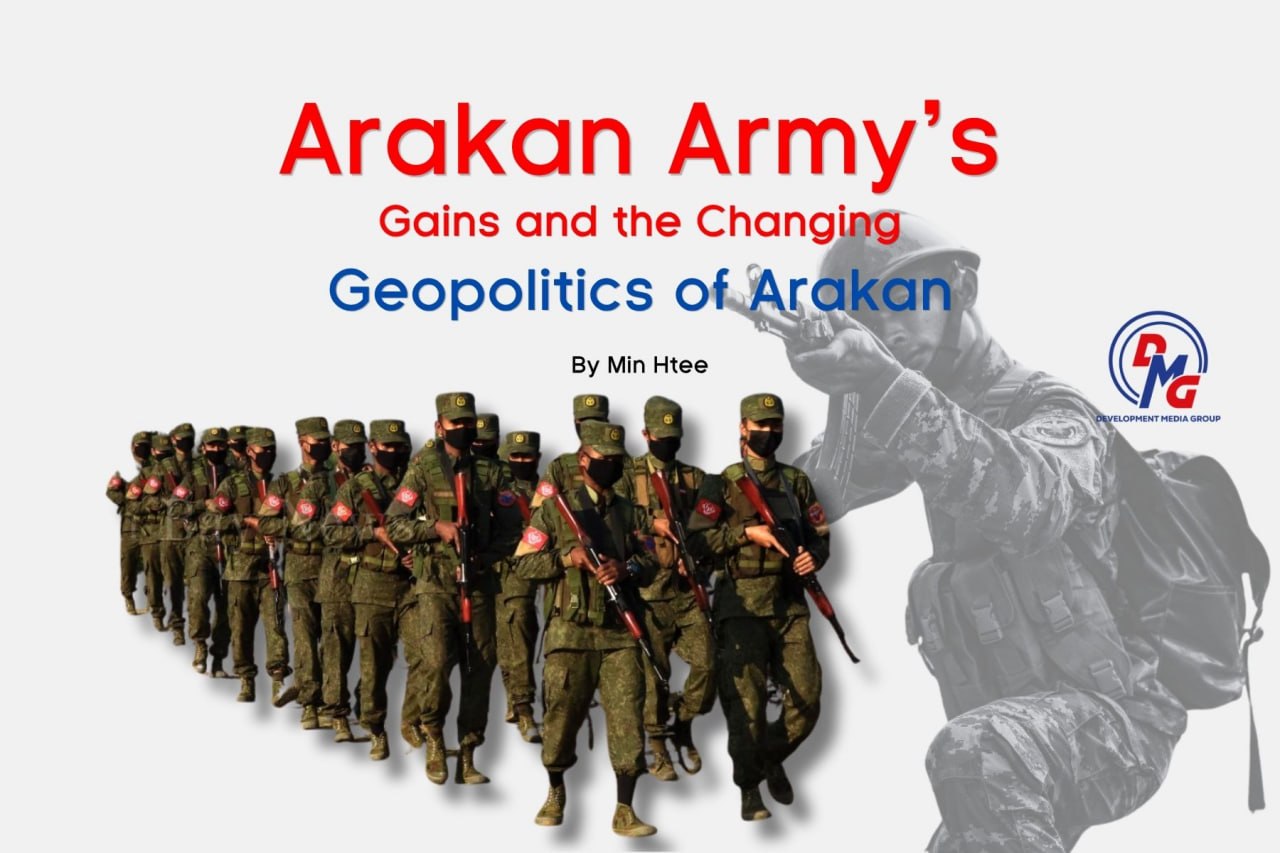
Arakan Army’s Gains and the Changing Geopolitics of Arakan
By Admin 29 Sep 2026
POLITICS

BUSINESS
Industry to manufacture finished goods from coconut starting in early 2020
By Aung Kaung Zaw 20 Nov 2019