

- Deadly junta airstrike leaves Kyauktaw daily-wage earners jobless
- India pushes to accelerate work on Kaladan road project in 2027 working season
- Junta launches fresh multi-aircraft bombardment of Kyauktaw mountain ranges
- Fierce combat erupts in Kyindwe, southern Chin State as resistance forces capture junta troops
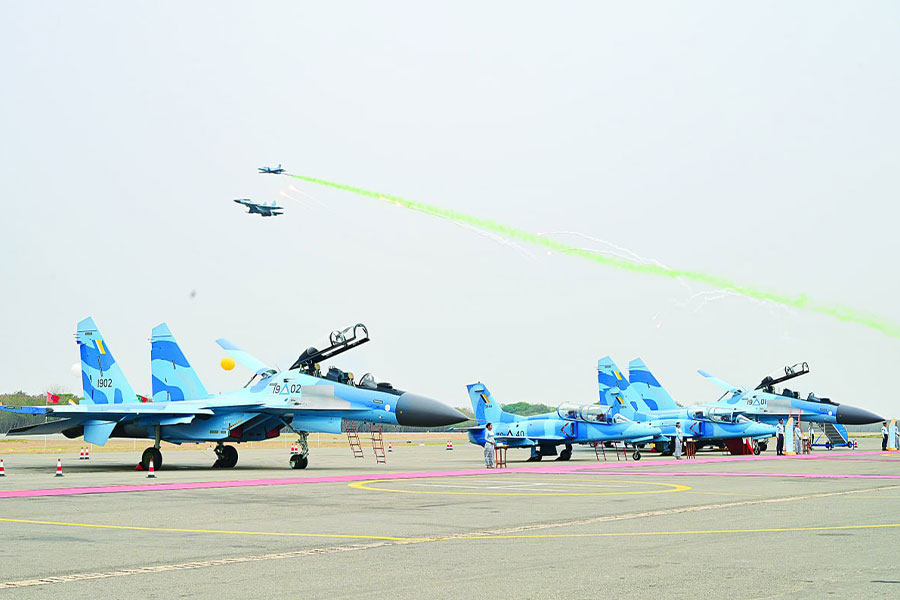
- Malaysian firms linked to Myanmar military aviation supply chain: JFM
Conflict leaves Arakan’s historic pagodas in ruins as restoration stalls
Local residents in Arakan State have voiced growing concern over the deteriorating condition of ancient pagodas and historical monuments damaged during armed conflict, as ongoing instability hampers maintenance and restoration efforts.
18 Feb 2026
DMG Newsroom
18 February 2026, Kyauktaw
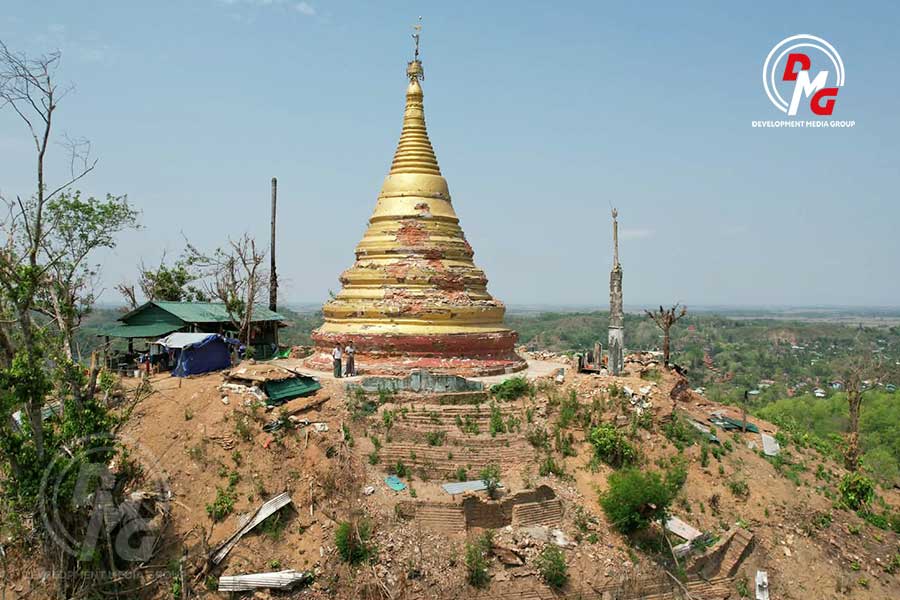
Local residents in Arakan State have voiced growing concern over the deteriorating condition of ancient pagodas and historical monuments damaged during armed conflict, as ongoing instability hampers maintenance and restoration efforts.
At the height of the clashes, numerous historical sites across the region sustained extensive damage from airstrikes and heavy artillery fire by the military regime, as well as from troops stationed within religious compounds.
The cultural heritage sites remain neglected and vulnerable to further deterioration from natural elements.
“The junta deliberately targeted many historical pagodas across Arakan State, causing widespread destruction. While stationed there, they dug trenches and built bunkers, leading to further damage,” a village elder in Kyauktaw told DMG. “If they are not restored soon, they will deteriorate beyond repair.”
Among the severely damaged sites are Thingit Taung, Lin Mwe Taung and Shwe Taung pagodas in Mrauk-U; Kyein Taung Pagoda in Minbya; and Theim Taung and Ko Yan Taung pagodas in Ramree, which were reportedly damaged during occupation by junta forces.
The Thon Sae Ta Bon Pagoda in Buthidaung, Guwa Temple in Ponnagyun, and historical sites on mountains in Rathedaung and Kyauktaw townships also sustained damage following months of military occupation and repeated aerial and artillery attacks.
“In Ponnagyun, restoration work has not begun due to the lack of stability. Residents have not yet been able to return,” a local man said. “If these pagodas are left as they are, they will suffer further damage from wind and rain. Immediate action is needed.”
Residents fear that the cultural heritage sites could gradually collapse if conservation efforts are not prioritised. Continued aerial attacks on schools, hospitals, religious buildings and civilian areas across Arakan State pose a major obstacle to preservation work, locals said.
“In Kyauktaw, many religious buildings were destroyed, and none have been repaired. Pagodas in other townships also remain in ruins,” a resident said.
Arakan State is home to numerous ancient pagodas and historical sites, many of which are now facing severe damage amid the ongoing conflict.
Under international humanitarian law, religious and cultural heritage sites are protected during armed conflict. However, the military council has failed to uphold these protections, with observers accusing it of violating international norms by targeting such sites.

Top News
Deadly junta airstrike leaves Kyauktaw daily-wage earners jobless
By Admin 08 Oct 2026
India pushes to accelerate work on Kaladan road project in 2027 working season
By Admin 08 Oct 2026

Junta launches fresh multi-aircraft bombardment of Kyauktaw mountain ranges
By Admin 08 Oct 2026
Malaysian firms linked to Myanmar military aviation supply chain: JFM
By Admin 08 Oct 2026