
- Two Myebon fishermen missing after junta troops throw fishermen into sea
- Clashes intensify in Sittwe as junta naval forces renew assault on AA-held island
- Critical blood shortages threaten patients injured in junta airstrikes across Arakan
- Deadly junta airstrike leaves Kyauktaw daily-wage earners jobless
- India pushes to accelerate work on Kaladan road project in 2027 working season
Hindus express hope for educational reform under AA administration
Hindus living in Arakan State are expressing hope for improvements in education, expanded opportunities, and better livelihoods under the administrative mechanism of the Arakan Army (AA).
20 Feb 2026
DMG Newsroom
20 February 2026, Kyauktaw
Hindus living in Arakan State are expressing hope for improvements in education, expanded opportunities, and better livelihoods under the administrative mechanism of the Arakan Army (AA).
Due to long-standing limited access to education and general knowledge, the Hindu community has faced a shortage of opportunities, contributing to socio-economic decline.
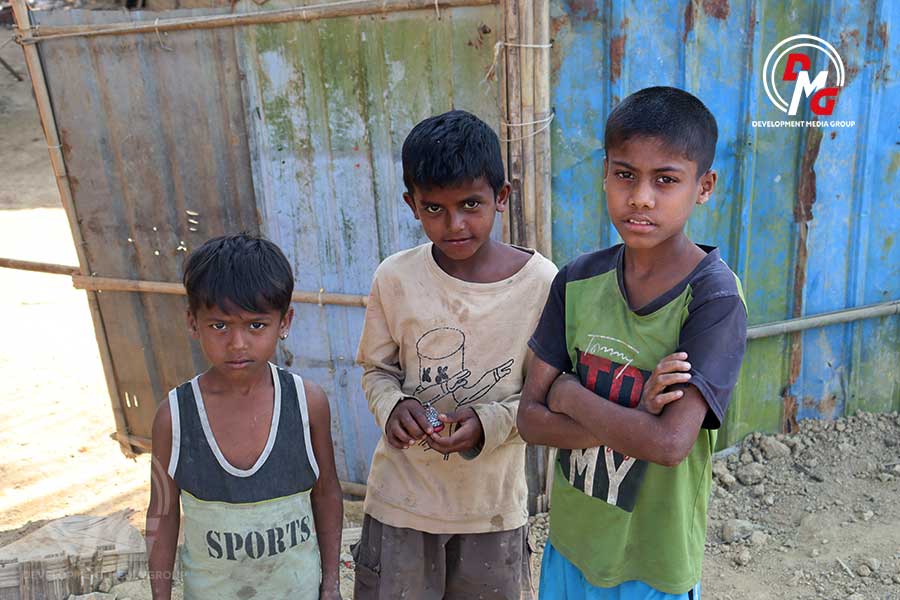
In Done Village, Wakin Village-tract in Kyauktaw Township, there are more than 90 Hindu households with a population exceeding 700.
Residents said they are facing challenges in education, healthcare and basic livelihoods amid the ongoing conflict.
“There has never been a school in our village. This is not a recent issue; it has been this way since our parents’ generation. Because of this, we did not understand the value of education. Since the elders were uneducated, the younger generations followed the same path. At present, a school is the most essential need for our village,” said U Kyaw Sein, a Hindu resident of Done Village.
Hindu communities are spread across Sittwe, Ponnagyun, Buthidaung, Maungdaw, Kyauktaw and Kyaukphyu Townships in Arakan State, with many relying on daily wage labor for survival.
Community members said they were neglected in the education sector under successive governments.
They added that even those who attained education had little chance of securing civil service positions.
“We live from hand to mouth. If a family has five children, three must work to support the family. Under Myanmar’s military regime, our education was not prioritized. Even for those who were educated, there were no job opportunities. In our community, there are no doctors, soldiers, police officers or teachers. Because of this, people felt education was meaningless and believed they would remain manual labourers regardless,” said U Chan Chul Nut, another resident of Done Village.
However, after observing the United League of Arakan (ULA) promoting youth education and creating job opportunities based on skills, members of the Hindu community said their confidence in the future has grown.
They said that without prioritizing education, the future of their children will remain bleak, and expressed hope that the education sector will be strengthened and supported under the current administration.

Top News

Two Myebon fishermen missing after junta troops throw fishermen into sea
By Admin 09 Oct 2026
Clashes intensify in Sittwe as junta naval forces renew assault on AA-held island
By Admin 09 Oct 2026
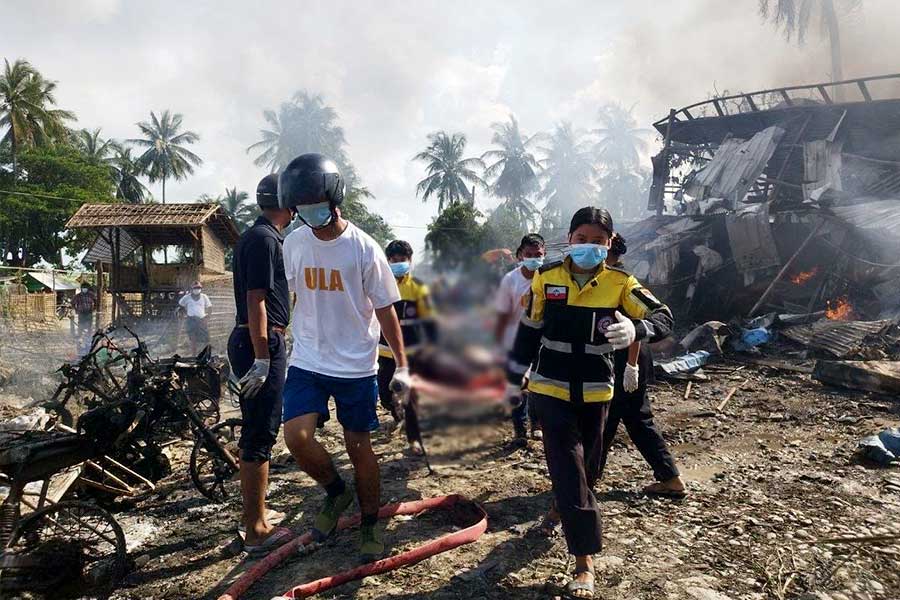
Critical blood shortages threaten patients injured in junta airstrikes across Arakan
By Admin 09 Oct 2026
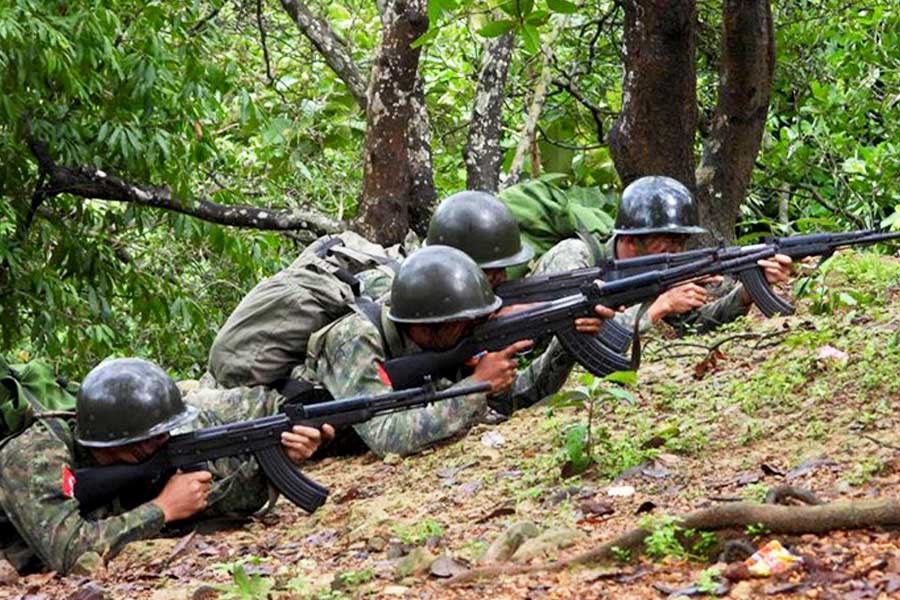
Arakan Army, allied resistance forces ambush junta columns in Indaw
By Admin 08 Oct 2026
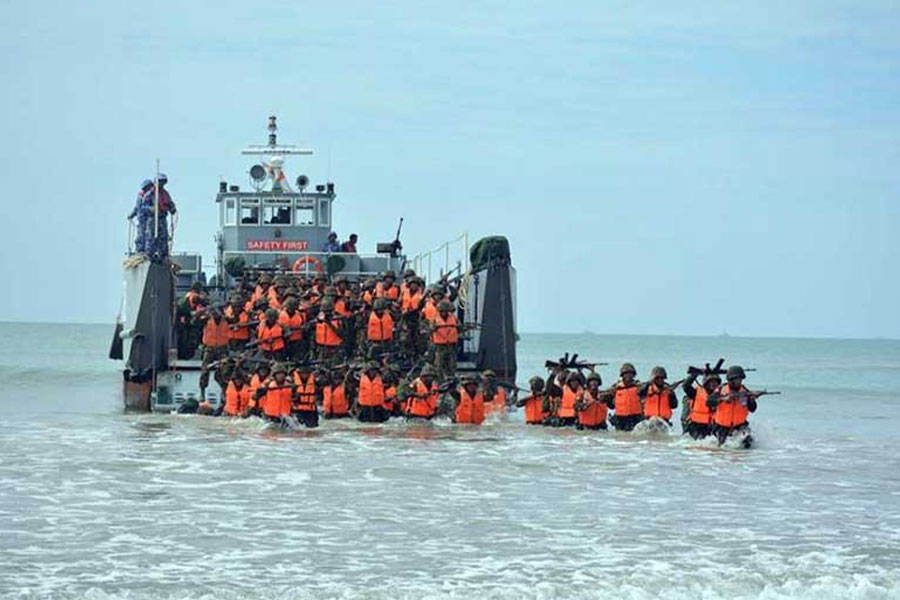
Junta amphibious landing attempt fails on AA-held island in Werathani Twsp
By Admin 08 Oct 2026