
- Junta seeks foothold on strategic island in Kaladan River as Arakan Army counterattacks
- Begging nearly doubles amid livelihood crisis in southern Arakan
- Heavy fighting near junta-held Sittwe fuels fear as frontlines approach city
- Displaced civilians struggle to access healthcare after junta airstrike destroys Ponnagyun clinic
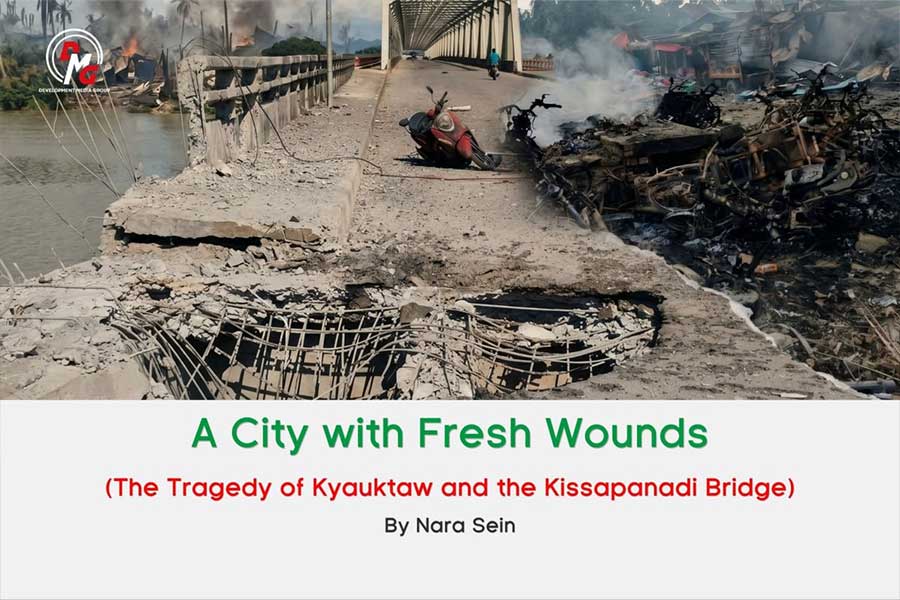
- Kyauktaw market closure disrupts trade and drives up prices across Arakan
Remote areas of Arakan State face healthcare crisis amid transport barriers
Remote and hard-to-reach rural areas across Arakan State are facing severe healthcare challenges due to a lack of hospitals and clinics.
01 Sep 2026
DMG Newsroom
1 September 2026, Rathedaung
Remote and hard-to-reach rural areas across Arakan State are facing severe healthcare challenges due to a lack of hospitals and clinics.
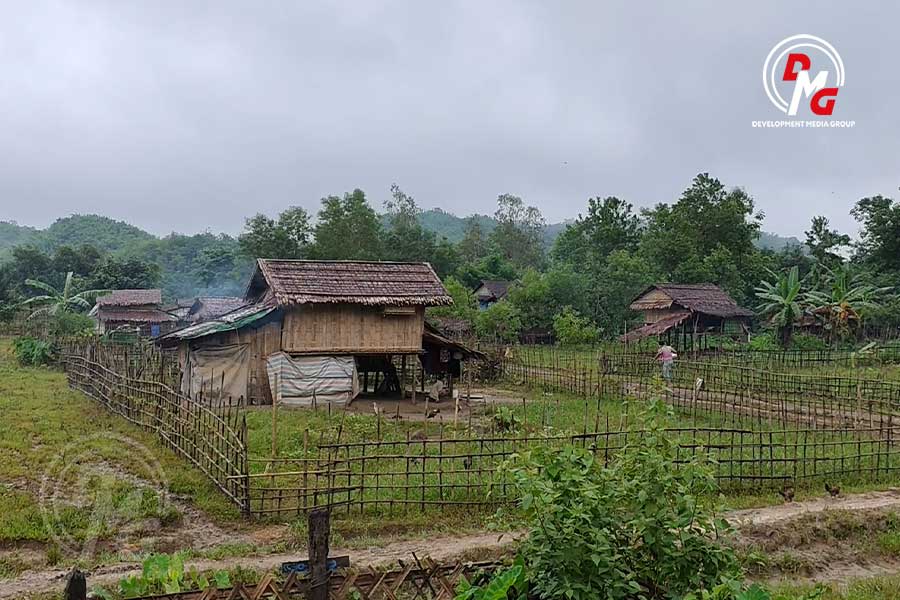
In Rathedaung Township, villages along the Mayu Riverbank, including Thanchaung, Laungchaung, Thayetchaung, Minphu, Aungmin, Kyaytapin, and Aungseik, are facing worsening difficulties in accessing healthcare.
Lacking rural clinics and local healthcare services, residents must travel to other areas for medical treatment. However, poor transportation infrastructure and high travel costs leave low-income families unable to afford medical care.
"It is extremely difficult to access medical clinics. Even those with financial means face hardships due to poor transportation infrastructure. In emergency situations, if boats aren't running, we cannot travel. Boat services operate only two days a week. Renting a private boat costs around K1 million just for transportation. Those without money face situations where they receive no medical treatment at all," a local woman said.
When medical problems arise, residents along the Mayu Riverbank must travel by water and land routes to Kyauktaw, Mrauk-U, and Buthidaung townships. Long travel times frequently put emergency patients at risk.
Similarly, in Anjanapura Township, villages such as Taungshaepyin, Thabyoke Yaymyet, Kywenasu, Darthwaykyauk, Yinchaung, and Natkanpyin lack rural healthcare facilities, forcing residents to travel to Myebon and Anjanapura townships by land and water.
"There is no clinic at all. For common fevers, we rely on local village medics. But for emergencies, traveling by both water and land routes is very inconvenient. Traveling to Anjanapura takes two hours by water, while reaching Myebon takes about an hour. Without a local clinic, emergency situations are extremely difficult to handle," said a male resident from Yinchaung Village.
Thabyoke Yaymyet Village has about 72 households, Kywenasu Village has 81 households, Darthwaykyauk Village has 97 households, Yinchaung Village has 256 households, and Natkanpyin Village has around 68 households.
Lacking rural clinics in these areas, local residents urge authorities to provide healthcare support so that seasonal outbreaks of malaria, dengue fever, and infectious diseases can be treated promptly.
"Rather than making formal demands, I want to bring this to the attention of the United League of Arakan (ULA). It would be much better if clinics could be established in rural and remote areas across all of Arakan State. Even if a clinic cannot be built in every single village, setting up one for every five or ten villages would resolve many issues and make emergency care accessible. We hope to see this implemented as quickly as possible in areas with difficult transportation infrastructure," said a local man from Rathedaung associated with a civil society organization.
To strengthen the healthcare sector and address healthcare worker shortages, the ULA has opened nursing training courses and medical schools.
As new healthcare personnel are trained to address the shortage, residents hope they will be deployed to remote and transportation-challenged rural areas.
Currently, Arakan State has nearly 60 doctors, but severe shortages of medicines, medical equipment, and qualified healthcare staff continue to pose major obstacles to public access to healthcare.

Top News
Begging nearly doubles amid livelihood crisis in southern Arakan
By Admin 12 Oct 2026
Heavy fighting near junta-held Sittwe fuels fear as frontlines approach city
By Admin 12 Oct 2026
Four civilians killed in junta shellings in Ayeyarwady Region
By Admin 11 Oct 2026