
- Heavy clashes erupt between junta and Arakan Army near Sittwe
- Arakan residents suffer severe mental and physical distress amid junta airstrikes
- Junta jet fleet bombs at least three locations in Kyauktaw
- Junta aerial bombardment of Taungup leaves two residents dead, one injured
- Junta deploys 2,000 troops in major offensive against AA-held territory: ISP-Myanmar
Arakan Army emerges as Myanmar's most effective insurgent force: Jamestown analyst
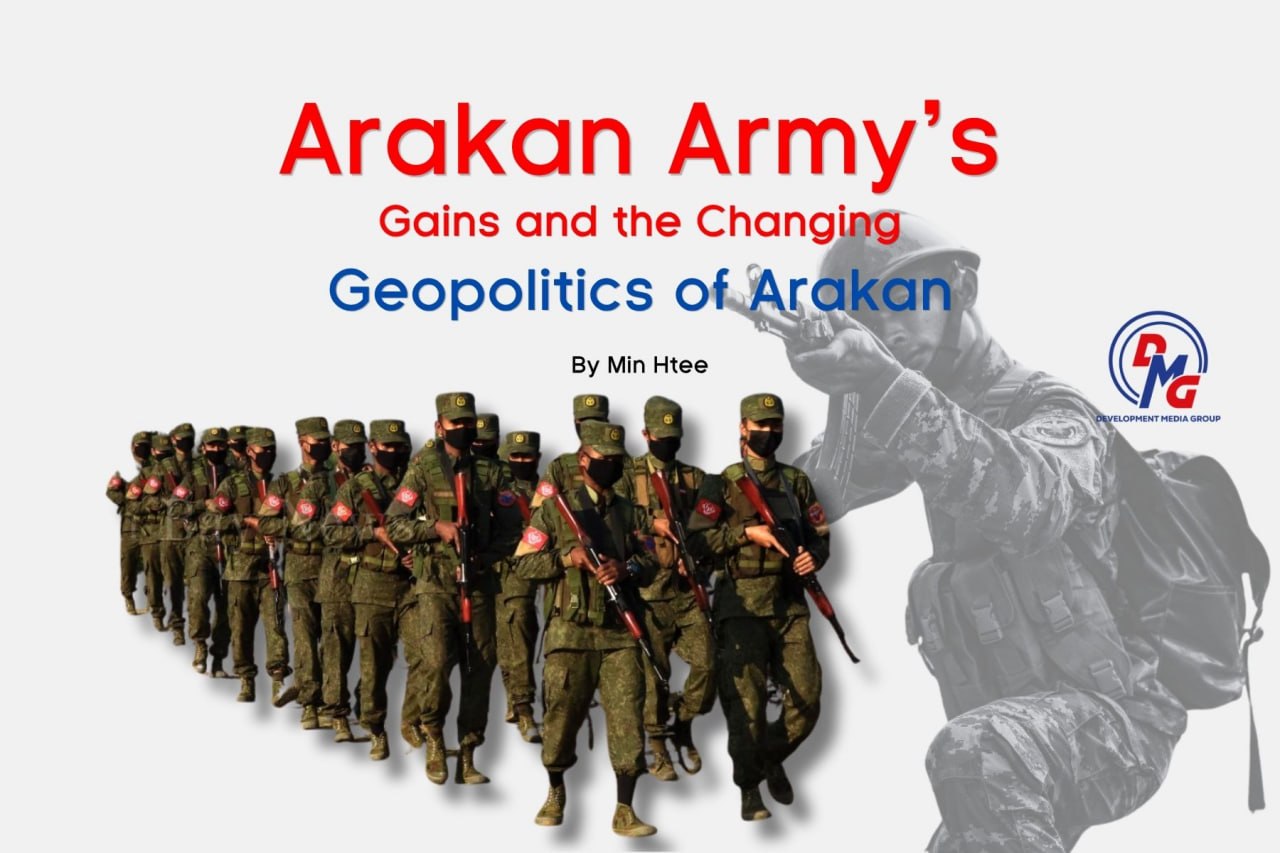
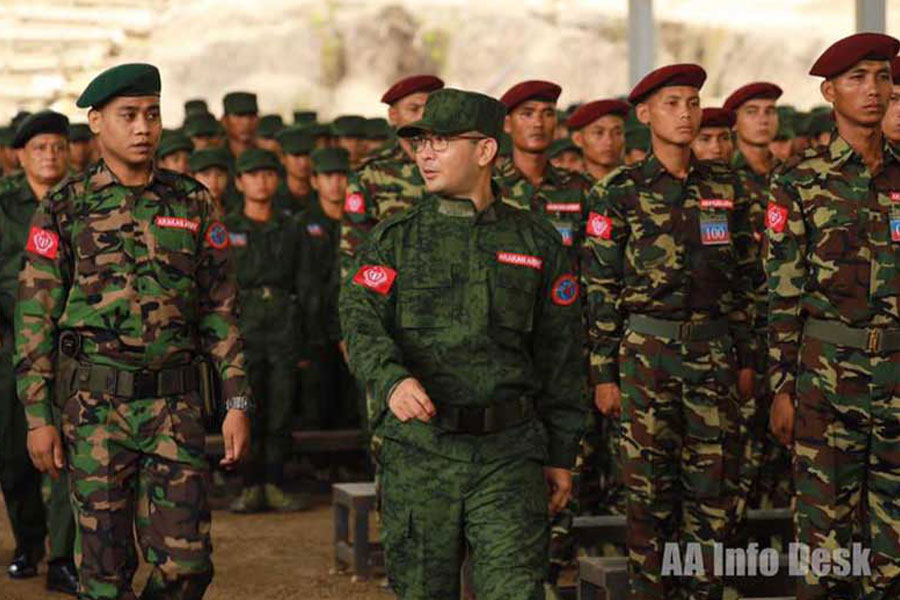
The Arakan Army (AA) has emerged as Myanmar's most effective insurgent force and one of the largest non-state armed organizations in South and Southeast Asia, according to an analysis by Khandakar Tahmid Rejwan published by the US-based Jamestown Foundation on July 16.
17 Jul 2026
DMG Newsroom
17 July 2026, Mrauk-U
The Arakan Army (AA) has emerged as Myanmar's most effective insurgent force and one of the largest non-state armed organizations in South and Southeast Asia, according to an analysis by Khandakar Tahmid Rejwan published by the US-based Jamestown Foundation on July 16.
Rejwan is a lecturer in the Department of Global Studies and Governance at Independent University, Bangladesh, and a regular contributor and analyst on Bangladesh and Myanmar for the Jamestown Foundation.
His analysis, titled “Arakan Army Becomes Most Effective Insurgent Force in Myanmar,” examines the AA's rapid military expansion, territorial control, governance structures and growing geopolitical importance in western Myanmar.
Rejwan describes the AA as the largest revolutionary armed group in Myanmar and examines how it has seized control of most townships in Arakan State while expanding operations into neighboring regions as it seeks to establish a territorial buffer zone.
The analysis also highlights the AA's development of administrative, judicial and local governance structures in areas under its control, as well as its strategic alliances and its role in providing military training and guidance to other revolutionary forces across Myanmar.
Rejwan further examines the geopolitical significance of the AA's control over areas containing major foreign investment projects, particularly those linked to China and India. This position, he argues, has provided the organization with greater geopolitical leverage and room for maneuver than many other revolutionary forces.
The analysis identifies Operation 1027, launched in October 2023 in coordination with the AA's Three Brotherhood Alliance partners: the Myanmar National Democratic Alliance Army (MNDAA) and the Ta'ang National Liberation Army (TNLA) as a major turning point in Myanmar's post-coup conflict.
The operation and subsequent offensives significantly altered the military balance, while the capture of strategically important territory and cross-border trade routes strengthened the AA's position as one of Myanmar's most powerful and influential revolutionary organizations.
Rejwan's analysis argues that the AA has pushed junta forces out of much of western Myanmar and is increasingly building what amounts to a self-governing proto-state.
The analysis also discusses the AA's approach to relations among Arakan's ethnic and religious communities, including its efforts to maintain intercommunal stability and expand religious freedoms for Muslim and Hindu communities.
According to Rejwan, the AA's expanding military power, territorial control and administrative institutions pose a significant challenge to Myanmar's military authorities.
Since renewed fighting began in Arakan State in November 2023, the AA has taken control of 14 townships in Arakan State as well as Paletwa Township in neighboring Chin State.
AA Commander-in-Chief Major-General Twan Mrat Naing has said the organization aims to capture the remaining junta-controlled areas in Arakan and achieve victory by the end of 2027.
Fighting has continued around strategic junta positions, including in Kyaukphyu and Sittwe townships, as the military seeks to defend its remaining footholds in Arakan State.
Editor's Note: An earlier version of this article did not identify Khandakar Tahmid Rejwan as the author of the Jamestown Foundation analysis on which this report was based. Mr. Rejwan is a lecturer in the Department of Global Studies and Governance at Independent University, Bangladesh, and a regular contributor and analyst on Bangladesh and Myanmar for the Jamestown Foundation. DMG regrets the omission and has revised the article to provide appropriate attribution.

Top News
Heavy clashes erupt between junta and Arakan Army near Sittwe
By Admin 07 Oct 2026
Arakan residents suffer severe mental and physical distress amid junta airstrikes
By Admin 07 Oct 2026
Junta jet fleet bombs at least three locations in Kyauktaw
By Admin 07 Oct 2026
Two ethnic Chakma men injured in Maungdaw landmine blast
By Admin 07 Oct 2026
Ponnagyun residents flee en masse as junta airstrikes target displacement camps
By Admin 06 Oct 2026