

- Myanmar junta accused of disguising aviation fuel imports as diesel: JFM
- Arakan records most junta airstrikes as 214 civilians killed across Myanmar: BNI
- High airfares leave low-income families stranded in blockaded Sittwe
- MSF rrges civilian protection after Sittwe shelling kills two, injures 17
- ULA warns Arakan residents of airstrike risks during Thadingyut festival
Rice transport ban affects dozens of villages in Ann Township
People from Dar Lat Chaung village-tract and 50 nearby villages in Arakan State’s Ann Township are facing difficulties because they have been barred from transporting rice into the area, according to a regional parliamentarian and affected residents.
14 Feb 2020

Myo Thiri Kyaw | DMG
14 February, Ann
People from Dar Lat Chaung village-tract and 50 nearby villages in Arakan State’s Ann Township are facing difficulties because they have been barred from transporting rice into the area, according to a regional parliamentarian and affected residents.
The majority of local people from the villages where the restriction has been put in place buy rice from Kan Htauk Gyi, Minbya, and Mrauk-U Township for consumption. But a ban on transportation of rice by inland routes was imposed on February 8, according to a local woman who asked not to be named.
“We do not grow paddy. So we don’t know how to eat without rice. Rice is our staple food. We may suffer starvation if we are banned from carrying rice by motorbikes and water routes,” she said.
“The restriction will make local people’s situations more difficult and this is not a good idea,” said U Kyaw Lwin, an Arakan State legislator for Kyaukphyu constituency.
DMG attempted to contact Colonel Win Zaw Oo, a spokesperson for the Tatmadaw’s Western Command, to seek confirmation of the reported prohibition on rice transport into parts of Ann Township, but his mobile phone was switched off.
Clashes between the Tatmadaw and Arakan Army have occurred near the affected villages with some regularity since December last year, with some local civilians fleeing their homes for safer locations.

Top News
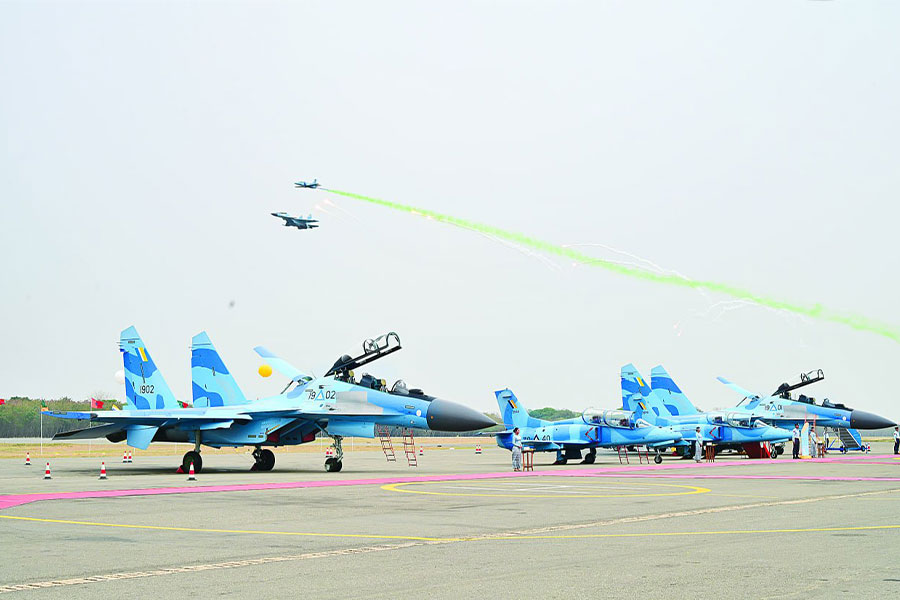
Myanmar junta accused of disguising aviation fuel imports as diesel: JFM
By Admin 26 Oct 2026
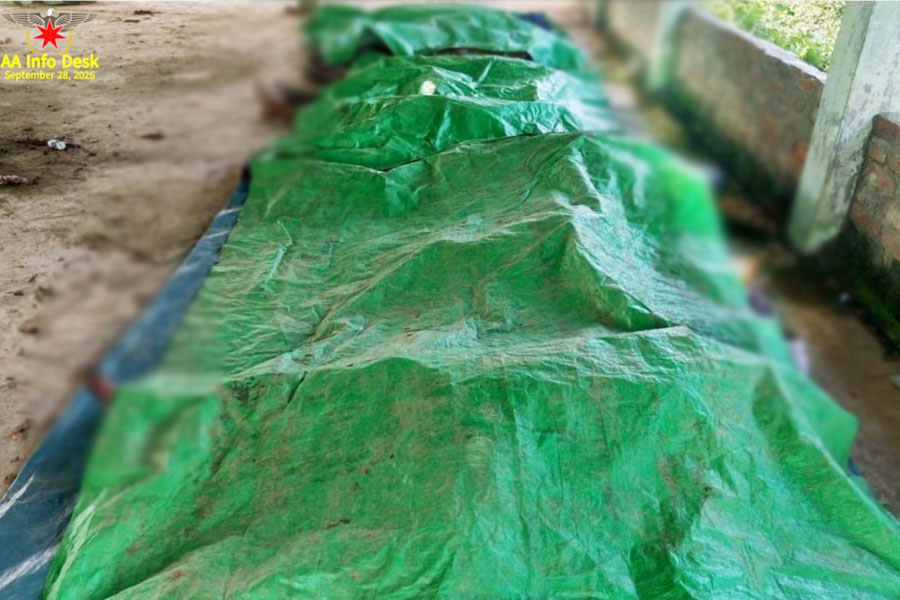
Arakan records most junta airstrikes as 214 civilians killed across Myanmar: BNI
By Admin 26 Oct 2026
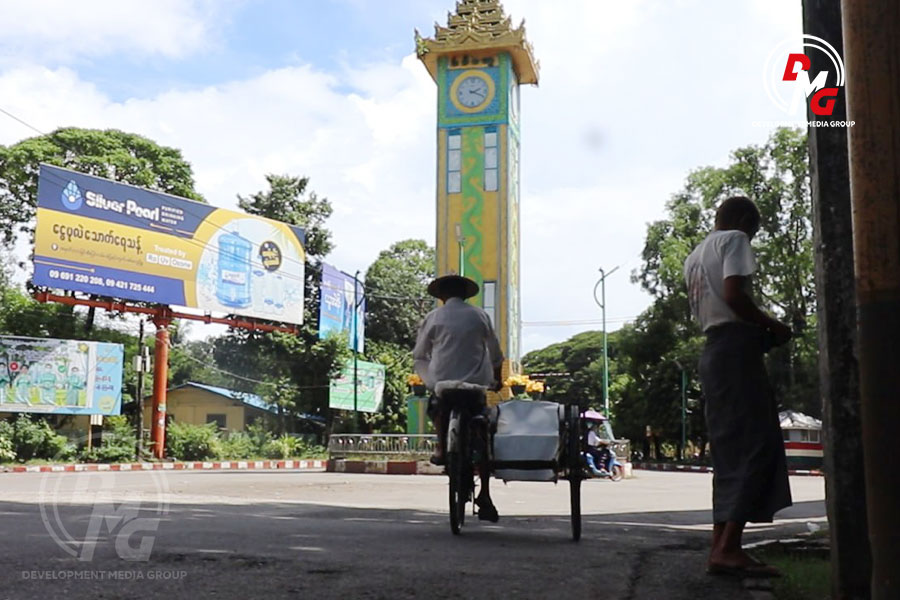
High airfares leave low-income families stranded in blockaded Sittwe
By Admin 25 Oct 2026
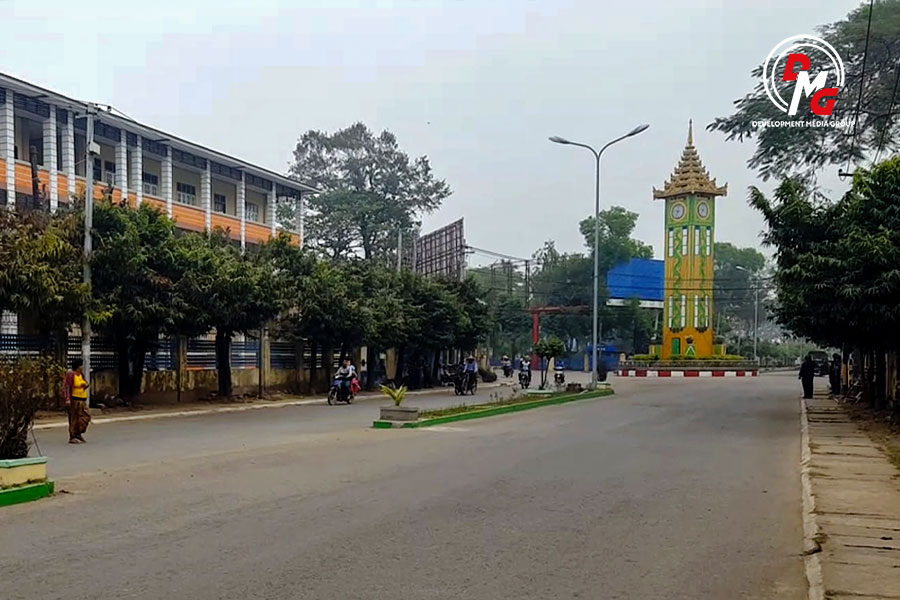
MSF rrges civilian protection after Sittwe shelling kills two, injures 17
By Admin 25 Oct 2026
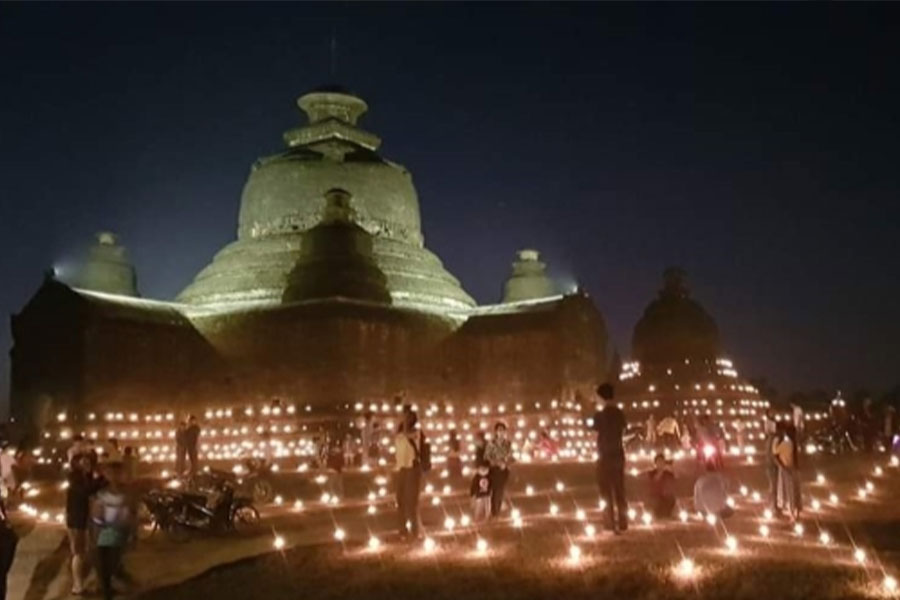
ULA warns Arakan residents of airstrike risks during Thadingyut festival
By Admin 24 Oct 2026