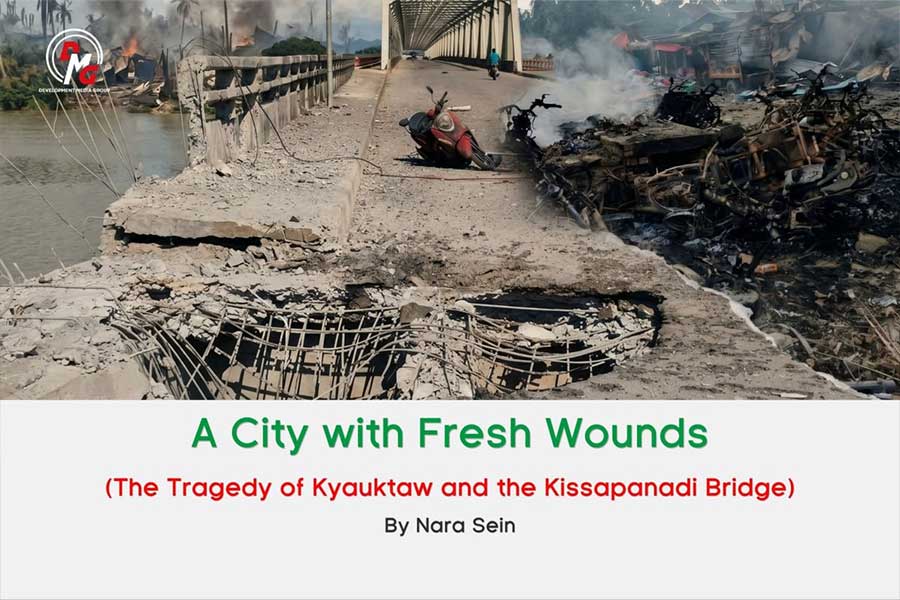

- Kyauktaw market closure disrupts trade and drives up prices across Arakan
- Arakan has Myanmar’s highest multidimensional poverty, 1.66 million affected: UNDP
- Arakan records most armed incidents, second-highest civilian casualty toll in Myanmar: NLTA
- Junta fails to regain territory despite major Arakan offensive: ISP-Myanmar
- Two Myebon fishermen missing after junta troops throw fishermen into sea
Regime using Constitutional Tribunal Law amendments to build ‘personalist dictatorship’: ISP-Myanmar
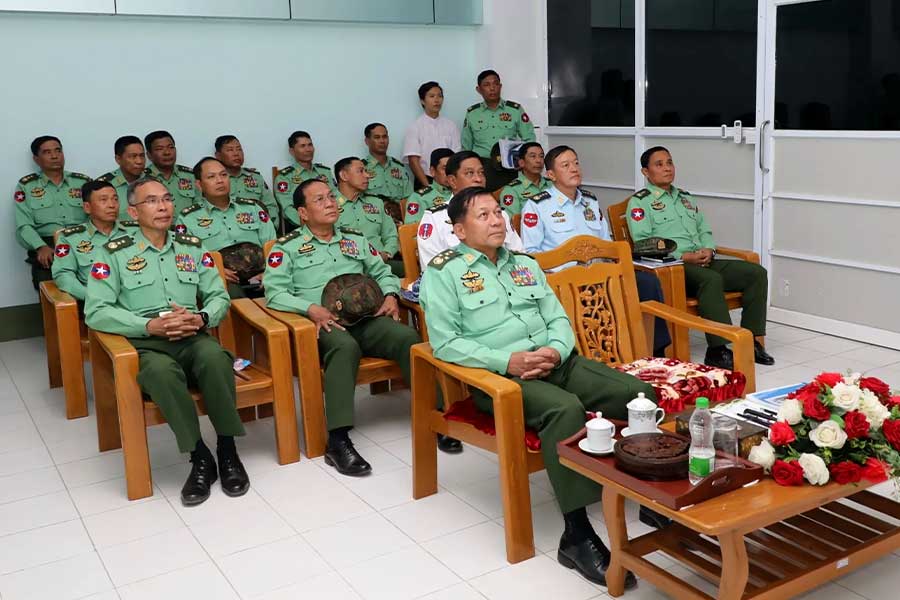
Amendments to Myanmar’s Constitutional Tribunal Law are aimed at institutionalizing a “personalist dictatorship,” according to the Institute for Strategy and Policy-Myanmar (ISP-Myanmar).
10 Feb 2026
DMG Newsroom
10 February 2026, Yangon
Amendments to Myanmar’s Constitutional Tribunal Law are aimed at institutionalizing a “personalist dictatorship,” according to the Institute for Strategy and Policy-Myanmar (ISP-Myanmar).
On January 24, the military regime enacted the third amendment to the 2014 law, granting the executive branch sweeping control over the judiciary.
Previously, the chair of the Constitutional Tribunal was appointed through consultations with the speakers of the Pyithu Hluttaw and Amyotha Hluttaw. Under the new amendment, however, the president has sole authority to appoint the chair.
Politicians say the changes are a calculated effort to turn the Constitutional Tribunal into a political instrument to entrench military rule.
“Independent bodies such as the Union Election Commission, the Anti-Corruption Commission, and the Constitutional Tribunal must be free from influence. At present, the military controls everything,” said a veteran politician in Arakan State. “Even if a new government is formed, the tribunal will only serve the military’s interests. This sets a dangerous precedent and is simply a tool to prolong military dictatorship.”
ISP-Myanmar noted that the amendments weaken the legislative pillar by making the tribunal’s interpretations and opinions more binding, effectively shielding the executive from legislative oversight and allowing the president to manipulate the court.
“The 2008 Constitution, drafted under former dictator U Than Shwe, at times limited the military’s absolute control, such as when it had to allow the NLD to govern for five years. The military did not accept that,” said a former political prisoner. “Now, following the path of General Ne Win, they are revising laws so they can use the Constitution however they want to retain power in the long term.”
Political observers believe the military regime is laying the groundwork to form a government through a sham election, with the junta chief expected to assume a top position, similar to the State Counsellor role, to maintain power indefinitely.

Top News
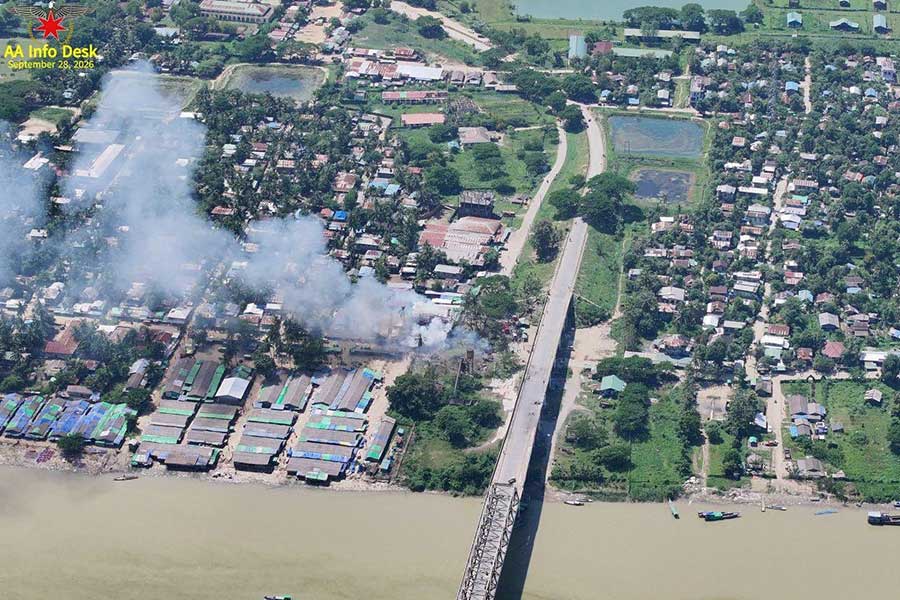
Kyauktaw market closure disrupts trade and drives up prices across Arakan
By Admin 10 Oct 2026

Arakan has Myanmar’s highest multidimensional poverty, 1.66 million affected: UNDP
By Admin 10 Oct 2026
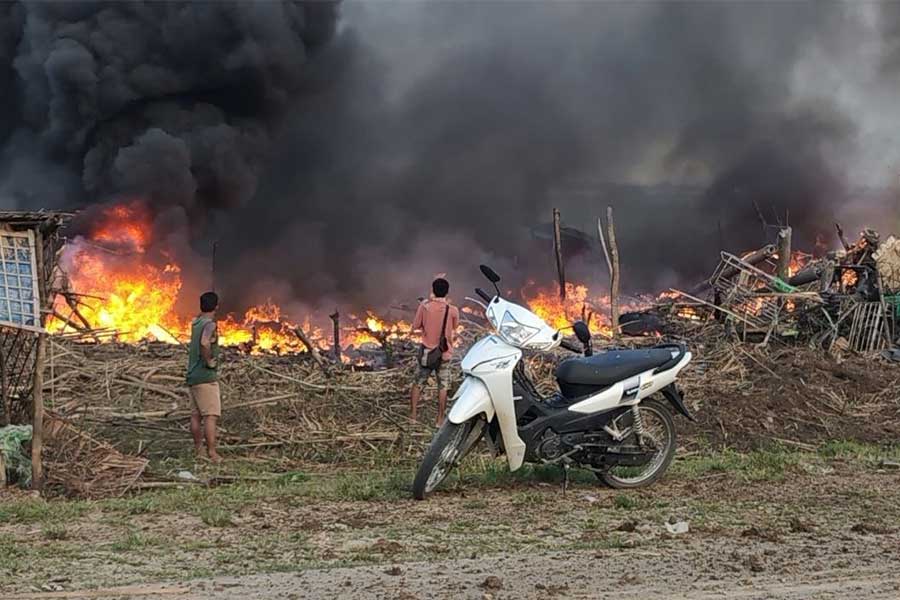
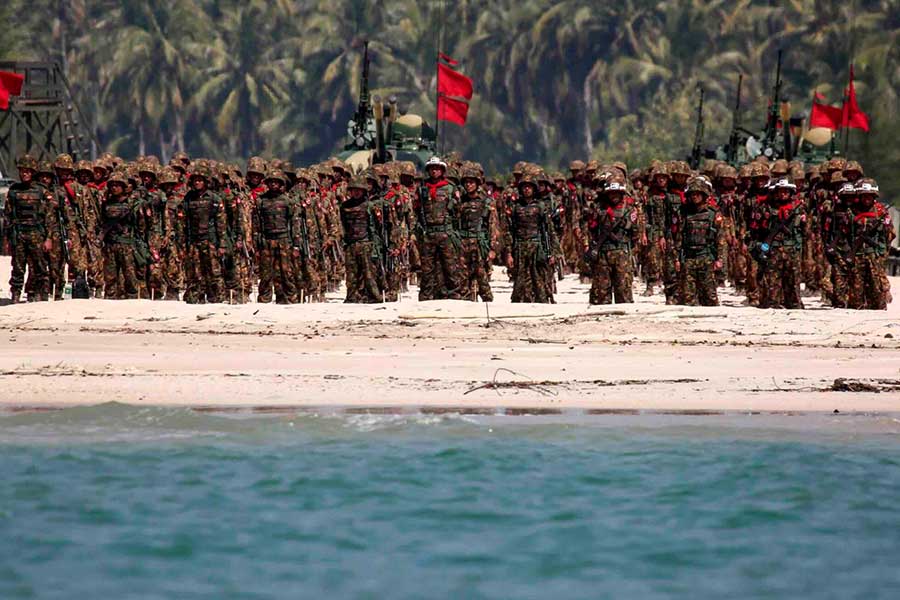
Junta fails to regain territory despite major Arakan offensive: ISP-Myanmar
By Admin 10 Oct 2026
Clashes intensify near Taung Maw Oo naval station as Arakan Army launches offensive
By Admin 09 Oct 2026